Discover The Future Of Gaming Deals With Eneba’s Fast, Affordable, And Global Digital Marketplace
The Evolution Of Digital Game Buying In A Borderless Marketplace
The way people discover and purchase video games has undergone a remarkable transformation over the past decade. What once required a physical trip to a retail store or waiting days for delivery has now evolved into a seamless, instantaneous digital experience. Today’s gamers demand speed, affordability, and accessibility, and platforms like Eneba are shaping the future of this experience by offering a global digital marketplace that removes traditional limitations.
The digital revolution in gaming has not only expanded access but also redefined value. Gamers are no longer confined to regional pricing or limited stock availability. Instead, they can browse a vast selection of game titles, software, and digital products from around the world. This shift has empowered players to explore new genres, discover hidden gems, and build diverse libraries without overspending.
At the heart of this evolution lies convenience. With just a few clicks, users can purchase and redeem games instantly, eliminating the frustration of physical logistics. Whether someone is looking for the latest blockbuster release or a classic title from years ago, the digital marketplace offers unmatched flexibility. This convenience is particularly important in today’s fast-paced world, where time and accessibility are crucial factors in decision-making.
Another defining aspect of modern game buying is competition. Digital marketplaces foster a competitive environment where sellers strive to offer the best prices. This dynamic directly benefits gamers, who can take advantage of significant discounts and deals that were once unimaginable. As a result, gaming has become more inclusive, allowing a wider audience to participate without financial barriers.
The evolution of digital game buying also reflects broader technological trends. Cloud computing, secure payment systems, and global connectivity have all contributed to the rise of platforms that cater to a worldwide audience. This interconnected ecosystem ensures that gamers from different regions can access the same content, bridging gaps that once divided the global gaming community.
As the industry continues to grow, it’s clear that digital marketplaces are not just a trend but a permanent shift in how games are distributed and consumed. They represent a future where accessibility, affordability, and variety are the standard, setting the stage for an even more connected and dynamic gaming world.
How Competitive Pricing Is Redefining The Gaming Economy
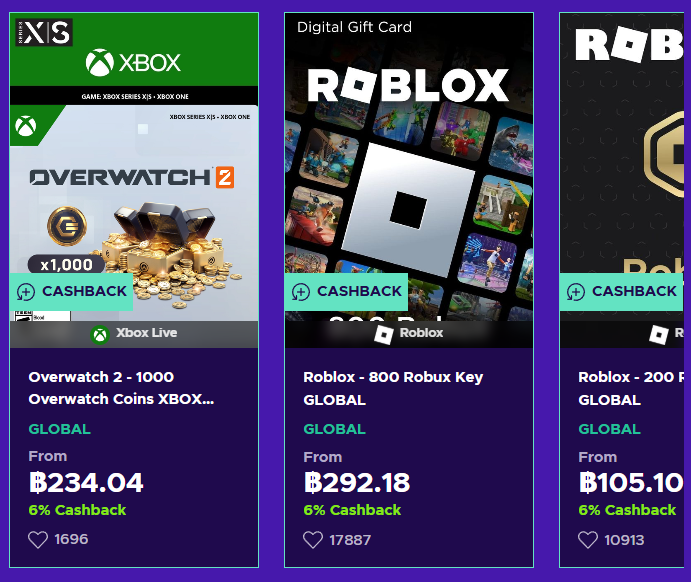
One of the most compelling aspects of modern digital marketplaces is their ability to offer highly competitive pricing. In traditional retail models, prices were often fixed and influenced by physical distribution costs, regional taxes, and limited competition. Today, platforms like Eneba disrupt this model by enabling multiple sellers to compete in a single marketplace, creating a pricing ecosystem that favors the consumer.
This competitive environment leads to significant cost savings for gamers. By comparing offers from different sellers, users can find deals that suit their budget without compromising on quality or authenticity. This transparency empowers buyers to make informed decisions, ensuring they get the best value for their money.
Affordability plays a crucial role in expanding the gaming audience. High prices have historically been a barrier for many potential players, especially in regions where disposable income is limited. By offering lower prices and frequent discounts, digital marketplaces make gaming more accessible to a broader demographic. This inclusivity not only benefits players but also contributes to the growth of the gaming industry as a whole.
Another factor influencing pricing is the global nature of these platforms. Sellers from different regions can list their products, often leveraging regional price differences to offer better deals. This global competition creates a unique marketplace where users can access games at prices that reflect a diverse range of economic conditions.
Seasonal sales, promotional campaigns, and limited-time offers further enhance the value proposition. Gamers can strategically plan their purchases to maximize savings, taking advantage of discounts during major events or special occasions. This approach adds an element of excitement to the buying process, turning it into more than just a transaction.
The impact of competitive pricing extends beyond individual consumers. Developers and publishers also benefit from increased visibility and sales volume. By reaching a global audience through digital marketplaces, they can generate revenue from markets that were previously difficult to access. This creates a win-win scenario where both creators and players benefit from the evolving economic landscape.
Ultimately, competitive pricing is reshaping the gaming economy by prioritizing accessibility and value. It challenges traditional pricing models and encourages innovation, ensuring that gaming remains an affordable and enjoyable hobby for millions of people worldwide.
Global Access And Instant Delivery Changing Player Expectations
The modern gamer expects more than just a good game—they expect a seamless and efficient purchasing experience. Global access and instant delivery have become essential features of digital marketplaces, fundamentally changing how players interact with gaming platforms.
In the past, geographical location played a significant role in determining what games were available and when they could be accessed. Physical distribution channels often caused delays, and certain titles were restricted to specific regions. Today, digital marketplaces eliminate these barriers, allowing players to access a vast library of games regardless of their location.
Instant delivery is one of the most transformative aspects of this system. Once a purchase is completed, users receive their digital product immediately, ready to be redeemed and played. This immediacy aligns perfectly with the expectations of modern consumers, who value speed and efficiency in every aspect of their lives.
The ability to access games globally also fosters cultural exchange within the gaming community. Players can explore titles from different regions, experiencing diverse storytelling, gameplay mechanics, and artistic styles. This exposure enriches the gaming experience and broadens perspectives, making gaming a truly global phenomenon.
Another important factor is the reliability of digital transactions. Secure payment systems and verified sellers ensure that users can purchase with confidence. Trust is a critical component of any marketplace, and platforms that prioritize security and transparency are more likely to attract and retain users.
Global access also benefits developers by expanding their reach. Independent creators, in particular, can showcase their work to an international audience without the need for extensive distribution networks. This democratization of game distribution encourages creativity and innovation, leading to a more diverse range of titles.
As player expectations continue to evolve, digital marketplaces must adapt to meet these demands. Speed, accessibility, and reliability are no longer optional—they are essential features that define the modern gaming experience. Platforms that excel in these areas are setting new standards and shaping the future of the industry.
The Role Of Trust, Security, And User Experience In Digital Marketplaces
In a rapidly growing digital ecosystem, trust and security are paramount. Gamers need to feel confident that their purchases are safe, authentic, and reliable. Platforms like Eneba prioritize these aspects by implementing robust systems that protect both buyers and sellers, ensuring a smooth and secure experience.
User experience is another critical factor that determines the success of a digital marketplace. A well-designed interface, intuitive navigation, and efficient search functionality make it easier for users to find what they’re looking for. This simplicity enhances the overall experience, encouraging repeat visits and long-term engagement.
Security measures play a vital role in building trust. From encrypted payment systems to buyer protection policies, these features safeguard users against potential risks. Knowing that their transactions are secure allows gamers to focus on what truly matters—enjoying their favorite games.
Customer support is also an essential component of a trustworthy platform. Quick and effective assistance can resolve issues and enhance user satisfaction. Whether it’s a problem with a purchase or a question about a product, responsive support services contribute to a positive experience.
Transparency is equally important. Clear product descriptions, user reviews, and seller ratings provide valuable information that helps buyers make informed decisions. This openness fosters trust and creates a sense of community within the marketplace.
The integration of advanced technologies further enhances the user experience. Personalized recommendations, smart search algorithms, and streamlined checkout processes make the platform more efficient and enjoyable to use. These innovations demonstrate how technology can be leveraged to improve every aspect of the buying journey.
As digital marketplaces continue to evolve, the importance of trust, security, and user experience cannot be overstated. They form the foundation of a successful platform, ensuring that users feel confident and satisfied with their interactions.
Looking Ahead At The Future Of Gaming Deals And Digital Ownership
The future of gaming deals is closely tied to the ongoing evolution of digital marketplaces. As technology advances, new opportunities and challenges will emerge, shaping the way games are bought, sold, and experienced.
One of the most exciting developments is the potential for greater personalization. Advanced algorithms can analyze user preferences and behavior to deliver tailored recommendations, ensuring that gamers discover titles that match their interests. This level of customization enhances the overall experience and makes it easier to navigate vast libraries of content.
Another trend is the integration of emerging technologies such as blockchain and cloud gaming. These innovations have the potential to redefine digital ownership and distribution, offering new ways for players to access and manage their game libraries. While still in the early stages, these technologies could significantly impact the industry in the coming years.
Sustainability is also becoming an important consideration. Digital distribution reduces the need for physical production and transportation, contributing to a more environmentally friendly approach. As awareness of environmental issues grows, this aspect may become a key factor in consumer decision-making.
The role of community is likely to expand as well. Social features, user-generated content, and collaborative experiences can enhance engagement and create a more interactive environment. Gamers are not just consumers—they are active participants in a vibrant and evolving ecosystem.
Affordability will remain a central focus. As competition increases, platforms will continue to innovate in order to offer better deals and value to users. This ongoing evolution ensures that gaming remains accessible and enjoyable for a diverse audience.
Ultimately, the future of gaming deals lies in the ability to adapt and innovate. Platforms that embrace change and prioritize user needs will continue to thrive, shaping an industry that is more inclusive, dynamic, and connected than ever before.