The Technology Behind Planner 5D’s Realistic Experience
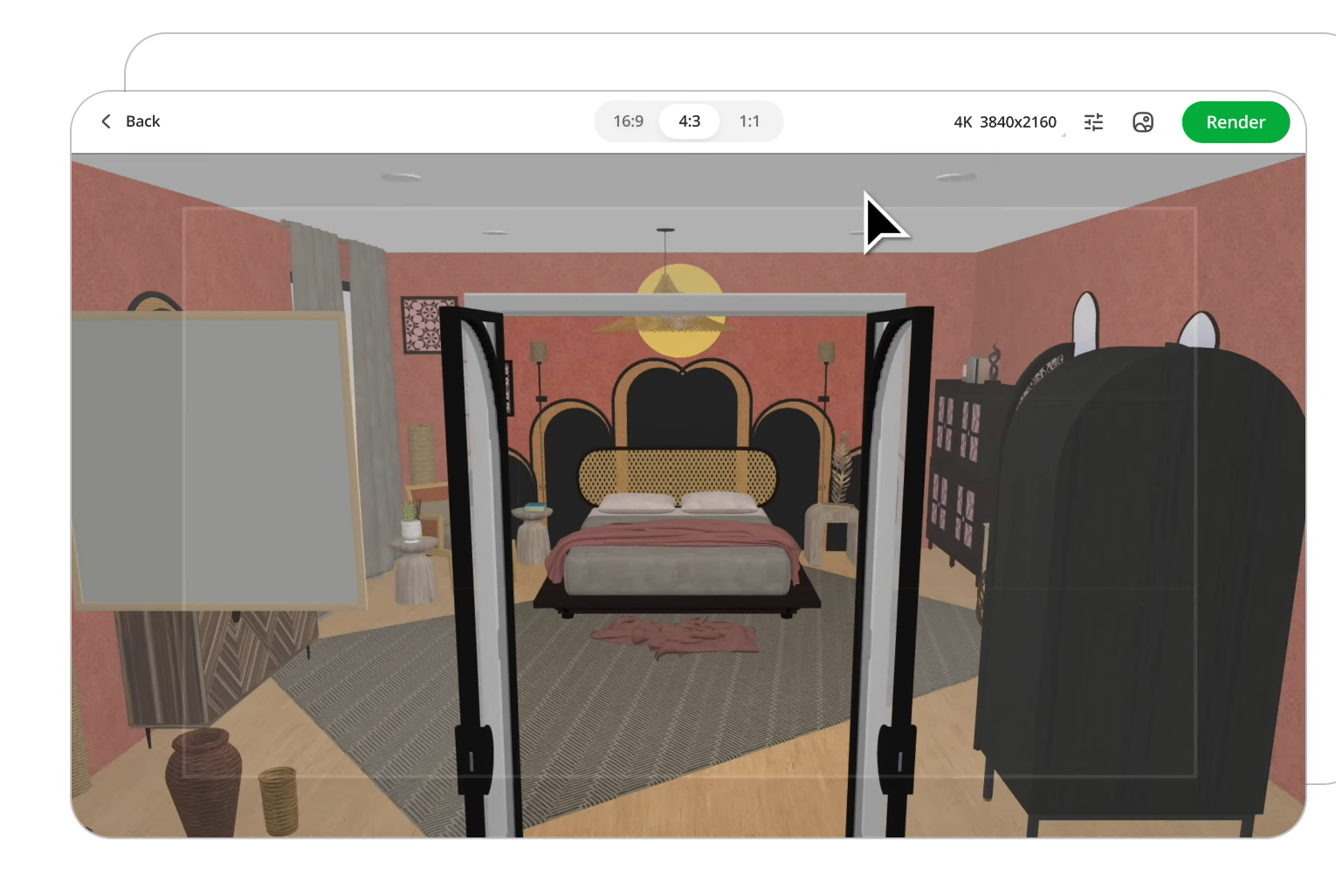
One of the defining strengths of Planner 5D is its ability to merge simplicity with advanced visualization technology. Unlike traditional CAD software that often requires technical training, Planner 5D simplifies complex design processes through an intuitive drag-and-drop interface. Behind this simplicity, however, lies a powerful rendering engine capable of generating highly realistic 3D environments.
The platform’s rendering technology simulates lighting conditions, shadows, reflections, and textures to create lifelike images. This realism plays a crucial role in helping users make informed decisions. When planning a renovation or redesign, being able to see how natural light interacts with furniture placement or wall colors reduces uncertainty and builds confidence before investing in real-world changes.
In addition to static images, Planner 5D supports immersive walkthrough experiences. Users can virtually move through their designed spaces, gaining perspective on room flow and proportions. This feature transforms design from a flat blueprint into an interactive spatial experience, allowing even beginners to understand scale and layout more effectively.
Artificial Intelligence and Smart Automation in Design
Artificial intelligence has become a growing influence in the digital design industry, and Planner 5D integrates AI-powered tools to streamline the creative process. These tools can analyze floor plans, suggest optimal layouts, and generate design recommendations based on selected styles or preferences.
For users who may feel overwhelmed by too many options, AI assistance acts as a guiding system. Instead of starting from a blank canvas, individuals can rely on smart suggestions that accelerate decision-making. This blend of human creativity and machine intelligence results in balanced and cohesive interior concepts.
Automation also helps reduce repetitive tasks. Adjusting measurements, aligning furniture, and refining proportions can be handled quickly through intelligent tools. By minimizing manual complexity, Planner 5D allows users to focus more on aesthetics and overall vision rather than technical execution.
Educational Value for Beginners and Aspiring Designers
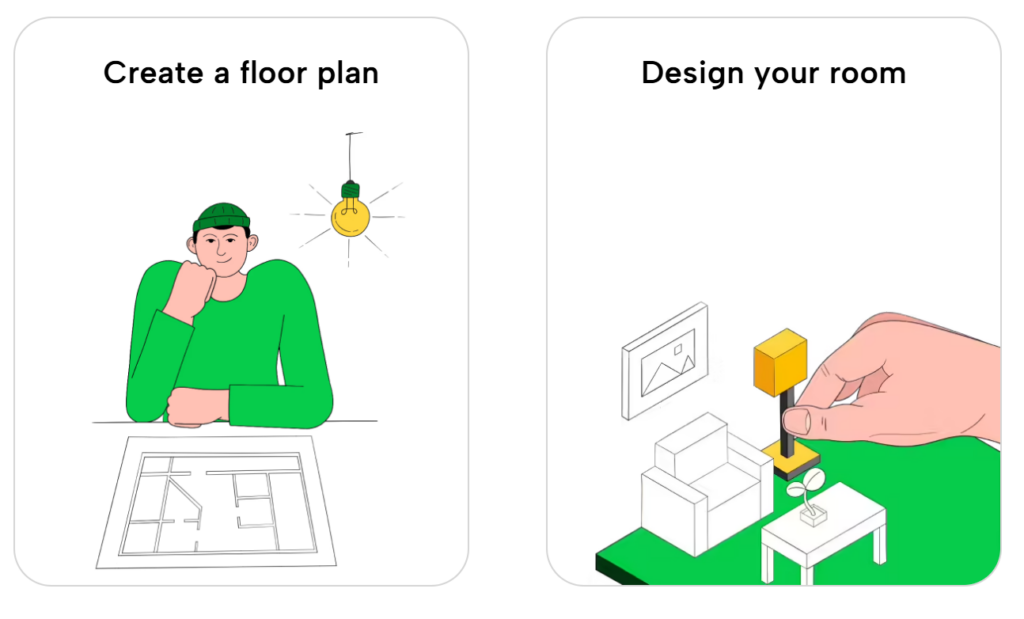
Beyond practical home renovation planning, Planner 5D serves as an educational tool. Students studying interior design, architecture, or home staging can use the platform to experiment with layouts and design theories. Because it does not require advanced technical knowledge, it lowers the barrier to entry for creative exploration.
The platform enables users to understand core principles such as spatial balance, symmetry, contrast, and functional zoning. By adjusting elements within a digital environment, users can instantly see the impact of their decisions. This immediate feedback loop supports learning through experimentation.
For aspiring designers building a portfolio, high-quality renders generated through Planner 5D can serve as presentation materials. While professional architectural software may still be necessary for large-scale projects, Planner 5D offers a practical starting point for developing visual storytelling skills in interior design.
Planner 5D in Real Estate and Property Marketing
The real estate industry increasingly relies on digital visualization to attract buyers. Empty properties can be difficult for potential clients to imagine as furnished homes. With Planner 5D, real estate professionals can create virtual staging that enhances listing presentations.
Virtual staging reduces costs compared to physically furnishing a property while still delivering visual appeal. By designing inviting interiors digitally, agents can help buyers envision the potential of a space. This approach has become particularly valuable in online property listings, where high-quality visuals significantly impact engagement.
Additionally, property developers can use Planner 5D to present off-plan projects. Instead of relying solely on architectural drawings, they can showcase fully furnished 3D apartments or houses, offering prospective buyers a more immersive understanding of the final result.
Cross-Platform Accessibility and Seamless Workflow
One of the advantages of Planner 5D is its availability across multiple platforms, including web browsers, mobile devices, and tablets. This accessibility ensures that projects remain synchronized through a single account. Users can start designing on a desktop computer and continue refining their work on a mobile device without losing progress.
Cloud-based storage enhances convenience and security. Designs are saved online, minimizing the risk of data loss and enabling collaboration between users. Whether sharing a project with family members, contractors, or colleagues, the ability to provide digital access simplifies communication.
This cross-platform flexibility reflects broader trends in software development, where mobility and cloud integration have become standard expectations. For busy homeowners or professionals managing multiple projects, being able to access design files from anywhere is a significant advantage.
The Future of Digital Interior Design Platforms
The future of platforms like Planner 5D is likely to be shaped by continued innovation in immersive technology. Virtual reality and augmented reality integration may become more widespread, allowing users to experience full-scale interior simulations before construction begins. As hardware becomes more accessible, immersive design tools could become standard features rather than premium additions.
Sustainability tools may also emerge as important additions. Future updates could include carbon footprint estimations for materials or recommendations for eco-friendly furniture alternatives. As consumers grow more environmentally conscious, integrating sustainability metrics into design software could provide meaningful value.
Ultimately, Planner 5D represents a significant step forward in democratizing interior design. By combining accessibility, advanced visualization, artificial intelligence, and cross-platform functionality, it empowers individuals to take control of their living spaces with confidence. Whether used for personal projects, educational purposes, or professional presentations, the platform continues to redefine how people approach home design in the digital age.