Planner 5D and the Democratization of Interior Architecture
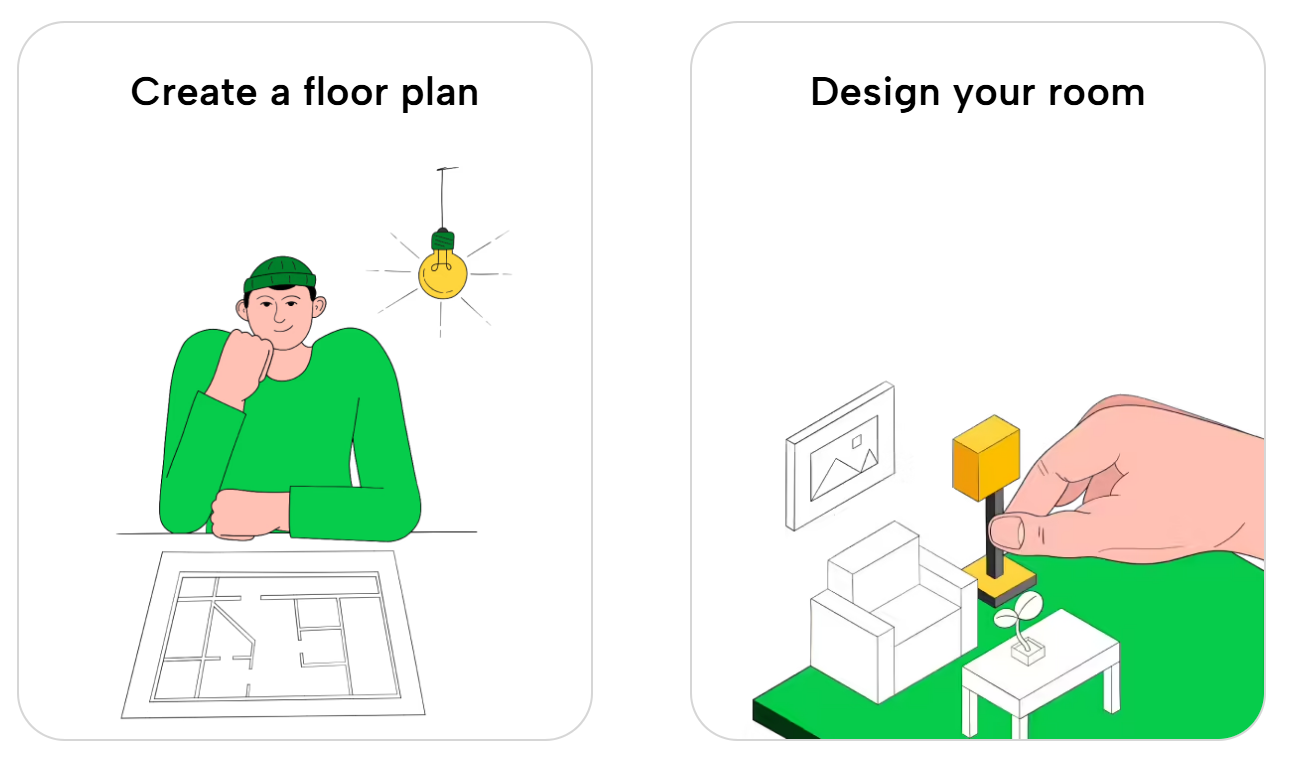
Interior architecture was once largely accessible only to trained professionals using complex and expensive software. Today, platforms like Planner 5D are reshaping that landscape by placing powerful visualization tools directly into the hands of everyday users. This democratization of design empowers homeowners, renters, students, and entrepreneurs to participate actively in shaping their environments.
The platform reduces dependency on technical gatekeeping. Instead of requiring years of training to understand spatial modeling, users can learn by doing. Interactive interfaces guide the process naturally, allowing experimentation and refinement without specialized instruction. This shift not only increases accessibility but also encourages creativity among individuals who might never have considered themselves “designers.”
As more people gain access to such tools, interior design becomes less about exclusivity and more about personal expression. The result is a broader diversity of styles and ideas entering the mainstream.
Supporting Small Businesses and Entrepreneurs
Planner 5D is not limited to residential use. Small business owners, café operators, boutique retailers, and startup founders can use the platform to conceptualize commercial spaces before investing in renovations. Visualizing furniture arrangements, display placements, and customer flow patterns digitally allows entrepreneurs to plan more strategically.
For startups working with limited budgets, digital previews prevent costly layout errors. A restaurant owner can evaluate seating capacity and spacing; a retail shop can experiment with shelving configurations; a coworking space can test collaborative zones and private offices. These digital mockups strengthen business planning and help align interior design with operational goals.
By offering professional-grade visualization in an accessible format, Planner 5D contributes to smarter decision-making across industries beyond home décor.
Adapting to Global Design Trends
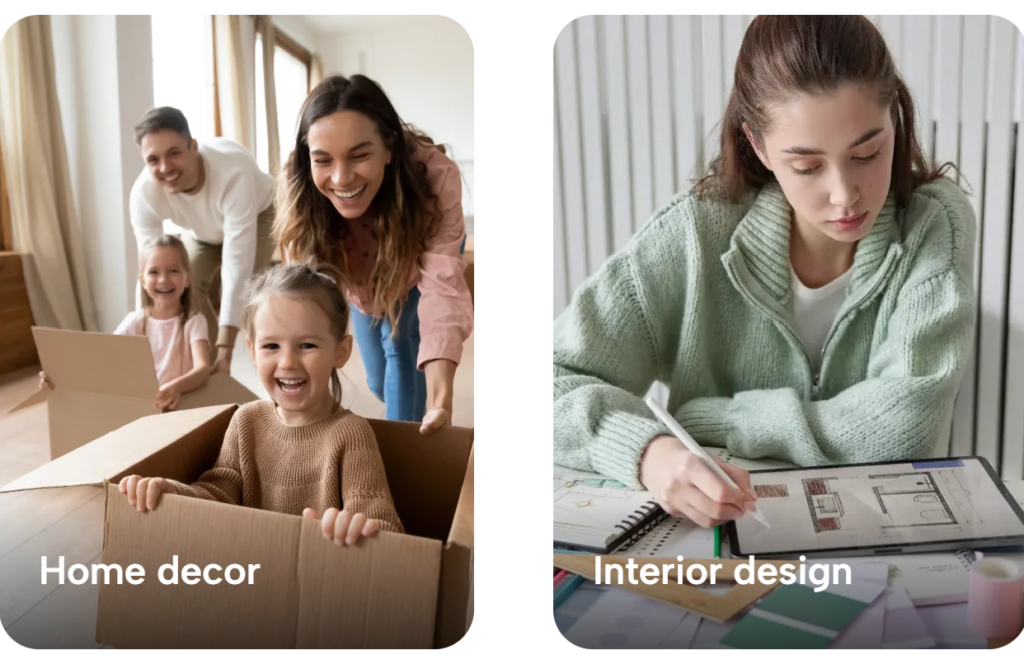
Interior design trends evolve continuously, influenced by cultural shifts, sustainability awareness, and technological advancements. Planner 5D adapts to these trends by updating its catalog and design capabilities. From minimalist Scandinavian influences to bold contemporary aesthetics, the platform reflects changing consumer tastes.
As urban living becomes more compact, there is increased demand for space-saving furniture and multifunctional layouts. Digital tools allow users to explore innovative configurations that maximize efficiency without sacrificing style. The ability to test compact solutions in 3D ensures practicality before implementation.
The platform’s responsiveness to global trends keeps it relevant in a competitive digital market. By evolving alongside user expectations, it maintains its position as a forward-thinking design solution.
Visualization for Sustainable Living
Sustainability is becoming a central priority in modern home planning. Digital design software plays a meaningful role in promoting responsible choices. By modeling layouts in advance, users can optimize natural lighting, reduce unnecessary construction changes, and avoid material waste.
Planner 5D supports thoughtful planning that minimizes trial-and-error renovation practices. Instead of repeatedly purchasing and replacing furniture due to poor fit or aesthetic mismatch, users can evaluate options virtually. This reduces waste and promotes more intentional consumption.
In the future, digital design platforms may integrate sustainability metrics more deeply, offering guidance on eco-friendly materials or energy-efficient layouts. Even in its current form, the platform contributes indirectly to sustainable decision-making by encouraging careful planning before action.
A strong idea is only valuable if it can be executed effectively. Planner 5D strengthens the transition from concept to reality by producing detailed visual references. These references can guide contractors, decorators, and furniture suppliers during implementation.
Clear spatial layouts reduce ambiguity. When measurements, placements, and style preferences are visually documented, execution becomes more precise. This structured approach minimizes misunderstandings and supports smoother renovation processes.
Digital renderings also enhance confidence. When homeowners see a fully realized preview of their future space, they approach construction with clarity and assurance. The psychological comfort provided by visualization should not be underestimated.
The Expanding Role of Immersive Technology
As immersive technologies advance, digital design platforms will likely integrate deeper sensory experiences. Virtual reality environments may allow users to “walk” through life-sized versions of their spaces before construction begins. Augmented reality could overlay digital furniture into real-world rooms via mobile devices.
Planner 5D already embraces elements of immersive visualization, and its future development may expand further into these territories. As hardware becomes more accessible, immersive planning may become standard rather than optional.
This technological progression highlights a broader transformation in how spaces are imagined. Design is no longer confined to static drawings; it is becoming interactive, experiential, and highly personalized.
In a world where personalization defines modern living, Planner 5D continues to bridge imagination and reality. By combining accessibility, intelligent features, realistic visualization, and cross-platform flexibility, it empowers individuals and professionals alike to design with confidence and clarity.