
Nike and the Evolution of Performance Footwear
Nike’s dominance in athletic footwear stems from decades of experimentation, athlete feedback, and biomechanical research. From the early waffle sole innovation created by Bill Bowerman to modern carbon-fiber racing plates, Nike continuously redefines how shoes enhance performance. The waffle sole, inspired by a household waffle iron, improved traction for runners and demonstrated how unconventional thinking could lead to groundbreaking design.
In more recent years, Nike introduced performance technologies such as Air cushioning, ZoomX foam, and carbon-plated midsoles engineered to maximize energy return. Elite marathon runners wearing Nike’s advanced racing shoes have achieved record-breaking performances, showcasing how footwear innovation can influence competitive sport outcomes.
The brand also invests heavily in sport-specific design. Basketball shoes prioritize ankle support and responsive cushioning, football boots emphasize traction and lightweight structure, and training footwear focuses on stability and multidirectional movement. This specialization reflects Nike’s philosophy that every athlete deserves equipment tailored to their performance demands.
Nike and the Rise of Sneaker Culture
Beyond athletic performance, Nike plays a central role in global sneaker culture. Limited-edition releases, high-profile collaborations, and athlete signature lines have transformed sneakers into collectible fashion items. The Air Jordan series remains one of the most influential product lines in streetwear history, merging basketball heritage with urban style.
Collaborations with designers, musicians, and artists have further elevated Nike’s cultural influence. Partnerships with brands like Off-White and designers such as Virgil Abloh reimagined classic silhouettes with modern aesthetics. These collaborations often sell out within minutes, fueled by digital hype and community anticipation.
Sneaker culture extends into resale markets, online forums, and social media communities where enthusiasts analyze design details and release dates. Nike’s ability to blend athletic authenticity with fashion credibility ensures that its products resonate both on the court and on the streets.
Nike Digital Ecosystem and Direct-to-Consumer Strategy
Nike’s digital transformation strategy focuses heavily on direct engagement with consumers. Through apps like Nike Training Club and Nike Run Club, users can access guided workouts, track performance data, and connect with global fitness communities. This integration of product and service creates an ecosystem that strengthens brand loyalty.
The SNKRS platform plays a key role in limited product releases, offering interactive content, storytelling, and exclusive access to special editions. Digital-first strategies allow Nike to gather insights about customer preferences, enabling more personalized recommendations and product drops.
Direct-to-consumer growth has reshaped Nike’s retail model. While wholesale partnerships remain important, Nike increasingly prioritizes its own online platforms and flagship stores to maintain control over brand presentation and customer relationships.
Nike’s Influence on Women’s Sports and Inclusivity
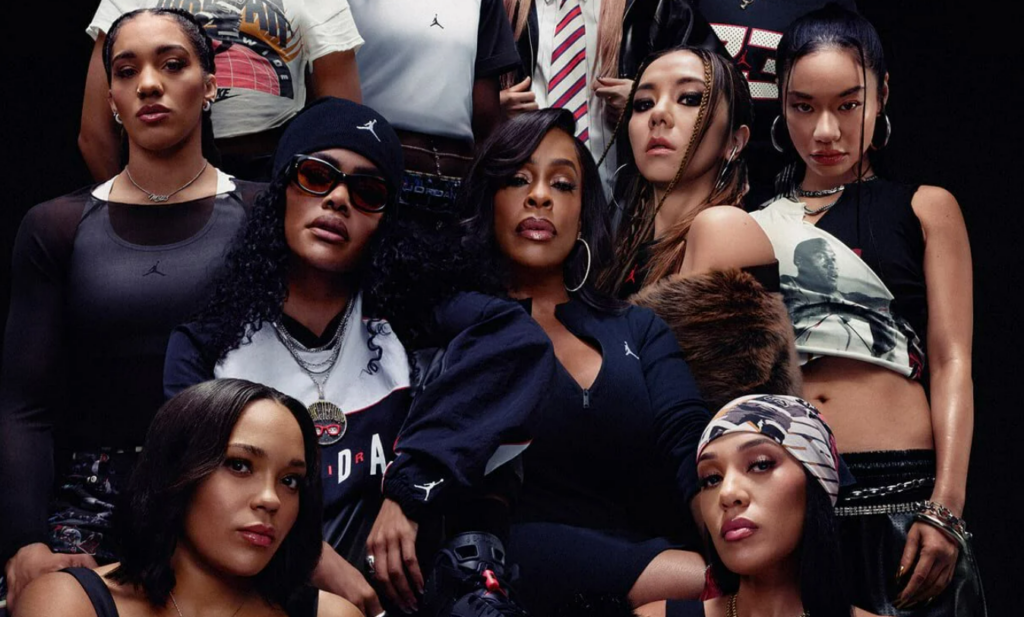
Nike has made notable strides in supporting women’s sports and expanding representation in athletic apparel. Dedicated women’s collections feature performance gear engineered specifically for female athletes rather than scaled-down versions of men’s designs. This approach demonstrates attention to anatomical and performance differences.
Campaigns highlighting female athletes, including Serena Williams and Megan Rapinoe, have reinforced Nike’s commitment to gender equity in sport. The brand also designs maternity athletic wear and inclusive sizing options, recognizing that athletic participation spans diverse life stages and body types.
By elevating women’s sports and investing in inclusive design, Nike positions itself as a progressive force within the sporting industry. These efforts align with broader societal movements toward equality and representation.
Sustainability and Innovation Through Move to Zero
Nike’s Move to Zero initiative reflects its ambition to reduce carbon emissions and waste throughout its supply chain. The company incorporates recycled materials into footwear and apparel, including recycled polyester derived from plastic bottles. Some shoe models integrate Nike Grind rubber, repurposed from manufacturing scraps and end-of-life products.
Sustainable design principles influence both product creation and packaging. Lightweight materials reduce transportation emissions, and reusable packaging solutions are being explored across markets. Nike’s focus on circularity encourages product longevity and recycling programs to minimize environmental footprint.
While sustainability challenges persist across the fashion and sportswear industries, Nike’s visible commitments signal recognition of its environmental responsibility as a global brand.
The Future of Nike in a Technology-Driven World
Looking ahead, Nike’s trajectory likely includes deeper personalization through data analytics and smart design. Customizable footwear, AI-assisted fit recommendations, and expanded wearable integration may define the next phase of innovation. Digital platforms could evolve into fully immersive communities where users train, shop, and engage in real time.
Performance science will remain central, with continued exploration of lightweight materials, enhanced cushioning systems, and sport-specific biomechanics. As consumer expectations shift toward sustainability, transparency, and inclusivity, Nike’s adaptability will determine its continued leadership.
Nike’s legacy demonstrates that innovation extends beyond product engineering. It encompasses storytelling, cultural relevance, and responsiveness to global change. From elite competition arenas to everyday fitness journeys, Nike continues to shape how individuals experience sport, style, and self-expression in the modern world.