Nike: A Legacy of Innovation in Athletic Footwear and Apparel
Nike is one of the most iconic and influential brands in the world of sportswear, renowned for its commitment to performance, style, and innovation. Founded in 1964 as Blue Ribbon Sports by Bill Bowerman and Phil Knight, the company officially became Nike, Inc. in 1971, named after the Greek goddess of victory. From its early days selling running shoes out of the back of a car, Nike grew into a global powerhouse that reshaped the sporting goods industry. Nike’s mission to bring inspiration and innovation to every athlete in the world underscores its vast product offerings, which span performance footwear, apparel, equipment, and digital solutions designed to enhance athletic performance and everyday lifestyle wear.
Nike’s influence extends beyond sports into fashion, cultural movements, and even technology. Its iconic “swoosh” logo and “Just Do It” slogan are recognizable across continents, symbolizing determination, resilience, and self-improvement. Through decades of product development, cutting-edge marketing, and high-profile athlete partnerships, Nike has maintained a formidable position in the global athletic market.
Product Innovation: From Running Shoes to Smart Apparel
Innovation has always been at the heart of Nike’s philosophy. Early breakthroughs like the Nike Cortez and the Air technology revolutionized running shoes, providing enhanced cushioning, energy return, and comfort. Over the years, Nike continued to push boundaries with developments including Flyknit lightweight construction, Zoom Air responsiveness, and React foam cushioning for a smooth ride. These technological advancements are designed to meet the needs of athletes across disciplines — from marathon runners and basketball players to soccer athletes and everyday fitness enthusiasts.
Nike’s investment in research and development extends into smart and connected apparel. Through partnerships and digital integration, products increasingly incorporate sensors, data analytics, and app connectivity to help users monitor performance, optimize workouts, and personalize training regimens. Nike’s commitment to blending performance and technology has elevated its products from simple gear to interactive tools that support athletic growth and overall well-being.
The Power of Athlete Endorsements and Cultural Impact

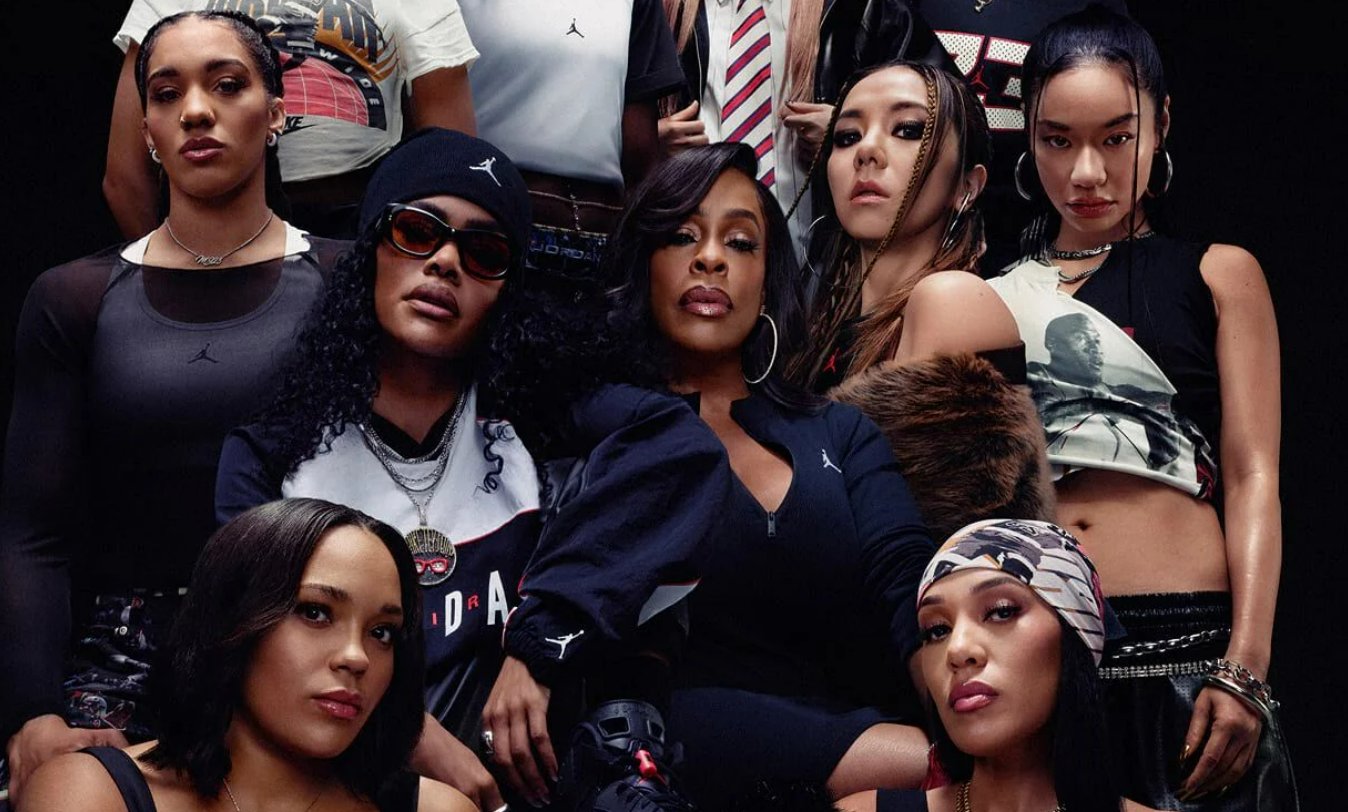
Nike’s rise was propelled in large part by its strategy of signing influential athletes and aligning the brand with peak performance and elite achievement. Early partnerships with running legends like Steve Prefontaine set the stage for future collaborations, but Michael Jordan’s signature Air Jordan line in the 1980s marked a paradigm shift. Air Jordan shoes became a cultural phenomenon that transcended sports and entered fashion and pop culture. The success of this collaboration demonstrated how athlete partnerships could shape consumer perception and drive entire product categories.
Beyond basketball, Nike has supported athletes across global sports — from Serena Williams to Cristiano Ronaldo, from Eliud Kipchoge to Naomi Osaka — using these relationships to inspire broader communities of athletes and fans. Nike’s sponsorships also extend to teams, leagues, and major sporting events worldwide, reinforcing the brand’s presence on the field and off.
Nike’s cultural influence is equally significant. Campaigns such as “Just Do It” and “Dream Crazy” celebrated empowerment, perseverance, and ambition, resonating with audiences far beyond the athletic world. These campaigns often featured messages of social and personal resilience, establishing Nike as a brand that speaks to aspiration and identity as much as to athletic performance.
Nike’s Global Reach and Digital Transformation
Nike’s global footprint is vast, with stores, digital platforms, and distribution networks spanning every major region. The brand’s retail strategy integrates physical and digital experiences, providing seamless shopping through Nike’s website, mobile apps, and flagship stores. Digital initiatives such as Nike App, SNKRS, and Nike Training Club create personalized experiences that connect consumers with content, releases, and community engagement.
The SNKRS app, in particular, revolutionized how limited-edition sneakers are released, creating digital queue systems and exclusive drops that drive high levels of engagement and anticipation. Nike’s digital ecosystem allows users to track favorite products, receive curated recommendations, and participate in localized events, blending lifestyle content with commerce.
Nike has also embraced e-commerce growth, enabling consumers worldwide to shop directly from the brand with convenience and flexibility. This digital transformation reflects broader retail trends while reinforcing Nike’s ability to remain innovative in a rapidly evolving marketplace.
Sustainability Initiatives and Corporate Responsibility
In recent years, Nike has placed increasing emphasis on sustainability and responsible business practices. Recognizing the environmental impact of manufacturing and global distribution, Nike has pursued initiatives aimed at reducing carbon emissions, minimizing waste, and supporting ethical sourcing. Programs such as Nike’s “Move to Zero” initiative articulate the brand’s goal of achieving zero carbon and zero waste, emphasizing sustainable materials like recycled polyester and environmentally conscious design principles.
Nike has also invested in supply chain transparency, labor standards, and community impact programs. Collaborations with global partners and nonprofits help advance access to sport in underserved communities, promote health and physical activity, and address social equity challenges. By tying sustainability and responsibility directly into its brand DNA, Nike aims to influence both internal practices and external perceptions of what it means to be a globally responsible company in the 21st century.
The Future of Nike: Innovation, Inclusion, and Transformation
As Nike moves forward, it continues to balance tradition with innovation, performance with lifestyle, and technology with artistry. Future product directions likely involve deeper integration of wearable technology, personalized footwear solutions, and continued exploration of materials that enhance performance while reducing environmental impact. Nike’s investment in digital platforms and apps suggests a future in which athletic experiences are increasingly personalized, connected, and community-driven.
Inclusion also represents a central part of Nike’s evolving identity. By expanding diversity in athlete partnerships, championing voices from underrepresented communities, and designing products that cater to diverse body types, sports preferences, and cultural identities, Nike reinforces its commitment to serving a truly global audience.
Nike’s journey from a small shoe importer to a global leader in sportswear represents more than commercial success. It symbolizes the power of innovation, storytelling, cultural resonance, and human aspiration. As athletes and everyday consumers continue to pursue personal goals, Nike positions itself as a partner in that journey — providing tools, inspiration, and confidence for every step forward.