Deliveroo and the Transformation of Urban Consumption
Deliveroo has played a significant role in reshaping how urban populations consume food. In densely populated cities where long working hours and busy lifestyles are common, convenience has become a central driver of consumer behavior. Deliveroo positioned itself precisely at this intersection of technology and lifestyle, offering restaurant-quality meals delivered quickly through a digital interface.
Urban consumption patterns increasingly favor immediacy. Instead of planning meals days in advance, many consumers now make spontaneous dining decisions through mobile apps. Deliveroo’s streamlined ordering system reduces friction between desire and fulfillment. Within minutes, users can browse multiple cuisines, compare prices, and place an order without making phone calls or physically visiting a restaurant.
This shift reflects broader digital transformation trends across industries. As ride-hailing services changed transportation and streaming platforms reshaped entertainment, Deliveroo contributed to redefining food accessibility. Restaurants once limited by physical seating capacity can now serve a much larger audience through delivery-based sales.
Deliveroo Editions and the Rise of Cloud Kitchens
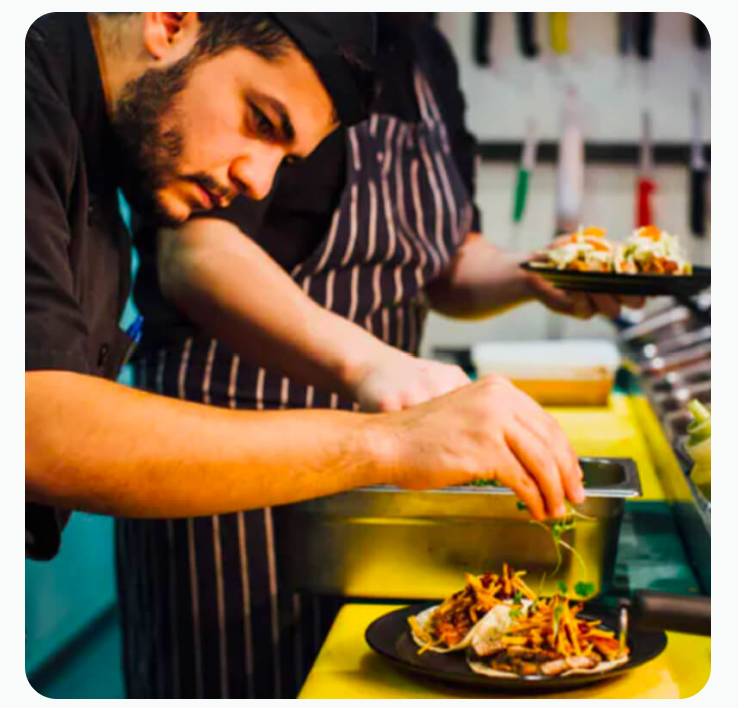
One of Deliveroo’s most innovative initiatives has been Deliveroo Editions, a concept centered around delivery-only kitchens. These facilities allow restaurants to operate without traditional dine-in spaces, reducing overhead costs such as rent, decor, and waitstaff.
Cloud kitchens enable restaurants to expand into neighborhoods where opening a full-service branch may not be financially viable. By analyzing demand data, Deliveroo identifies underserved areas and partners with restaurant brands to establish kitchens strategically. This model accelerates expansion while optimizing delivery times.
For consumers, Deliveroo Editions increases variety and access. Popular restaurant brands can reach customers in new districts, even if they do not maintain a physical storefront nearby. The efficiency of this system demonstrates how data-driven logistics can reshape traditional restaurant models.
Deliveroo Customer Loyalty and Subscription Models
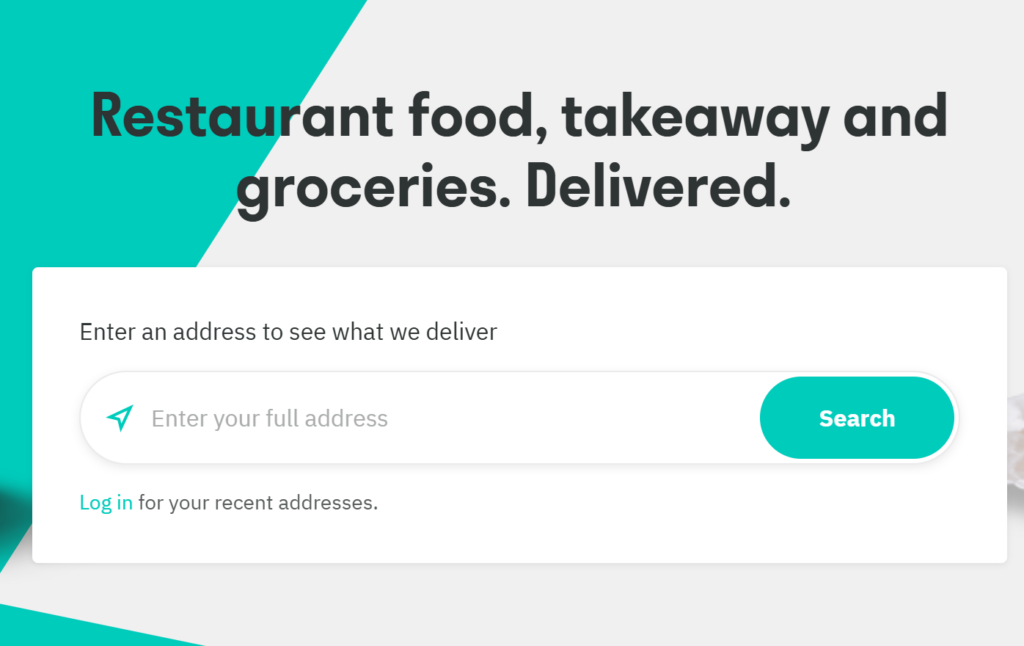
To retain customers in a competitive market, Deliveroo introduced subscription services such as Deliveroo Plus. These memberships typically offer reduced or waived delivery fees in exchange for a monthly charge. For frequent users, subscription plans create cost savings and encourage consistent platform engagement.
Loyalty programs help strengthen brand retention in an industry where consumers can easily switch between apps. Personalized promotions, discounts, and curated restaurant recommendations enhance user satisfaction. Deliveroo’s algorithm studies past order behavior to suggest relevant cuisines or special deals, making the platform feel tailored rather than generic.
Subscription-based strategies align with broader digital economy trends where recurring revenue models provide stability for companies while delivering convenience to customers.
Deliveroo’s Competitive Landscape in the Food Delivery Industry
Deliveroo operates in a highly competitive environment alongside major platforms such as Uber Eats, DoorDash, and Just Eat. Each competitor leverages technology, partnerships, and promotional strategies to attract users and restaurants.
Competition drives innovation. Faster delivery times, better customer service, and exclusive restaurant partnerships often become differentiators. Deliveroo emphasizes curated restaurant selection and strong branding within premium dining segments in some markets.
Price sensitivity also influences consumer decisions. Delivery fees, service charges, and promotional offers can impact which platform a user chooses. To remain competitive, Deliveroo continually refines its pricing structure and expands its merchant partnerships.
Deliveroo and Sustainability in Last-Mile Logistics
Sustainability has emerged as a major concern in urban delivery systems. Packaging waste, vehicle emissions, and increased traffic congestion are frequent criticisms of rapid-delivery platforms. Deliveroo has introduced initiatives aimed at reducing environmental impact, including encouraging eco-friendly packaging and supporting bicycle-based deliveries in urban areas.
Electric scooters and bicycles are commonly used by riders in many cities, lowering emissions compared to traditional cars. Deliveroo also collaborates with restaurants to promote recyclable or biodegradable packaging options. While challenges remain in balancing speed with sustainability, incremental improvements contribute to reducing environmental footprint.
Consumers are increasingly aware of ecological impact, and platforms that integrate greener solutions may gain long-term trust and loyalty.
The Future of Deliveroo in a Digital-First Economy
As technology advances, Deliveroo’s future will likely be shaped by automation, artificial intelligence, and enhanced logistics efficiency. Predictive ordering, voice integration, and AI-driven personalization may become standard features. Integration with smart home devices could allow users to reorder meals effortlessly.
Expansion into grocery and convenience retail further diversifies Deliveroo’s services. Delivering essentials alongside restaurant meals transforms the platform into a broader on-demand marketplace. This diversification helps offset fluctuations in restaurant demand and strengthens platform resilience.
Ultimately, Deliveroo represents a larger transformation in how people interact with local businesses. It connects customers, restaurants, and riders through a digital ecosystem designed for speed and convenience. By adapting to cultural shifts, regulatory landscapes, and environmental expectations, Deliveroo continues to redefine the experience of food delivery in modern cities.