

Lighting plays a much bigger role in a home than simply making a room brighter. The right lighting can influence the atmosphere, functionality, comfort, and overall appearance of almost every space. From a relaxing living room and peaceful bedroom to a practical kitchen and inviting outdoor area, carefully selected lighting can transform an ordinary space into one that feels welcoming and well designed.
Modern homeowners have more lighting choices than ever. Ceiling lights, pendant lamps, wall lights, floor lamps, table lamps, spotlights, LED fixtures, smart lighting, and outdoor lamps are available in countless designs and configurations. While having so many options is useful, it can also make choosing the right products more complicated.
This is where a thoughtful lighting plan becomes important. Instead of selecting lamps based only on appearance, homeowners should consider the purpose of each room, available natural light, room dimensions, furniture placement, energy consumption, and desired atmosphere.
For people exploring modern lighting inspiration, .lampenwelt provides a useful reference point for discovering different approaches to residential lighting. Whether the goal is to create a cozy interior, improve task visibility, add decorative accents, or illuminate an outdoor area, there are many ways to build an effective lighting scheme.
This complete guide explores modern home lighting ideas for the most important areas of the house and explains how to combine different types of lighting for a practical and attractive result.
1. Planning Your Home Lighting With .lampenwelt: Start With the Basics
Before purchasing new lamps, it is useful to create a basic lighting plan for each room. Every space has different requirements, and the ideal fixture for one room may not be appropriate for another.
A good starting point is to understand the three main layers of lighting: ambient, task, and accent lighting.
Ambient lighting provides general illumination. It is usually the primary source of light in a room and may come from ceiling fixtures, chandeliers, recessed lights, or large pendant lamps.
Task lighting provides focused illumination for specific activities. Examples include reading, cooking, working at a desk, applying makeup, or preparing food. Desk lamps, reading lights, under-cabinet fixtures, and mirror lights can all serve this purpose.
Accent lighting is primarily used to highlight decorative or architectural features. It can draw attention to artwork, shelves, plants, textured walls, or other focal points.
Combining these three layers can make a room feel more balanced than relying on a single central light.
When exploring .lampenwelt lighting ideas, begin by asking what you normally do in each room. A living room used for reading, entertaining, and watching television may need several lighting sources. A hallway may only require practical ambient lighting, while a kitchen can benefit greatly from targeted task illumination.
Room dimensions are another important factor. Large spaces often require multiple fixtures to distribute light evenly. Smaller rooms may need compact fixtures that provide sufficient illumination without making the space feel crowded.
Ceiling height should also influence your choice. Pendant lights and chandeliers can work particularly well in rooms with higher ceilings, whereas flush and semi-flush ceiling fixtures are often better suited to rooms with limited vertical space.
Natural light should not be ignored. Rooms with large windows may require less artificial illumination during the day. Darker rooms, north-facing spaces, or areas with limited windows may need a stronger artificial lighting plan.
Finally, think about flexibility. Dimmable fixtures, adjustable lamps, and smart controls can make it easier to change the atmosphere according to the time of day and activity.
A little planning before purchasing can prevent common problems such as excessive brightness, dark corners, poor task visibility, or fixtures that are disproportionate to the room.
2. Creating a Comfortable Living Room With .lampenwelt Lighting Ideas
The living room is often one of the most multifunctional spaces in a home. It may be used for relaxing, reading, entertaining guests, watching television, working occasionally, or spending time with family.
Because the room serves several purposes, relying on a single ceiling fixture may not provide the best result. Layered lighting can create a more comfortable and adaptable environment.
A central ceiling light can provide general illumination. Depending on the style of the room, this could be a modern pendant, a minimalist flush fixture, a decorative chandelier, or a contemporary multi-light fitting.
Floor lamps are particularly useful in living rooms. Placing one beside an armchair or sofa can create a dedicated reading area without requiring the entire room to be brightly illuminated.
Table lamps can be positioned on sideboards, consoles, or occasional tables. They provide smaller pools of light that can make an evening environment feel warmer and more intimate.
Wall lights are another option, particularly when floor and table space is limited. They can provide functional illumination while also contributing to the room’s decorative design.
When choosing .lampenwelt lighting for a living room, consider how the different fixtures interact. They do not necessarily need to match exactly. Instead, look for complementary shapes, materials, finishes, or colors.
For example, a modern living room might combine a simple ceiling fixture with a slim metal floor lamp and a small table lamp featuring a similar finish. This creates visual consistency without making the room look repetitive.
The position of each light also matters. Avoid placing extremely bright fixtures directly in the line of sight when possible. Diffused or indirect lighting can be more comfortable for relaxation.
Dimming is particularly valuable in living rooms. Bright illumination can be useful when cleaning or entertaining, while lower levels can create a calmer atmosphere in the evening.
Lighting can also emphasize interior features. A spotlight directed toward artwork, shelving, architectural details, or plants can add depth to the room.
The objective is to create a living space that can easily change from bright and functional during the day to warm and relaxing at night.
3. Designing a Relaxing Bedroom With .lampenwelt Lamps and Fixtures
Bedrooms should generally feel comfortable, calm, and personal. Lighting plays an important part in creating that environment.
A bedroom does not usually require intense illumination throughout the entire space. Instead, a combination of soft ambient lighting and focused task lighting can provide flexibility.
A ceiling fixture can serve as the primary source of illumination. Flush-mount fixtures are particularly practical for rooms with lower ceilings, while pendant lights can create a stronger decorative statement where space allows.
Bedside lighting is one of the most important elements. Table lamps placed on nightstands provide convenient illumination for reading or other activities without requiring the main ceiling light.
Wall-mounted reading lamps are an excellent alternative when bedside surfaces are small. Adjustable models can direct light exactly where it is needed.
When selecting .lampenwelt lighting for a bedroom, pay attention to color temperature. Warm-looking light can create a relaxing atmosphere and complement bedrooms with natural wood, neutral textiles, or darker decorative colors.
A dimmable fixture can provide additional control. Instead of having only an on-or-off option, you can adjust brightness according to the time of day and activity.
Wardrobes and dressing areas may also benefit from dedicated lighting. Internal wardrobe lights, directional fixtures, or strategically positioned ceiling lights can make it easier to find clothing and accessories.
Accent lighting can be used sparingly in bedrooms. For example, a small wall fixture can highlight artwork or a decorative feature.
The key is to avoid excessive brightness and harsh glare. Bedroom lighting should support relaxation rather than make the space feel like a workplace.
Another useful consideration is convenience. Bedside switches, remote controls, timers, or compatible smart lighting systems can allow you to adjust lighting without leaving the bed.
A carefully planned bedroom lighting arrangement can therefore improve both functionality and the overall feeling of comfort.
4. Improving Cooking and Dining Areas With .lampenwelt Kitchen Lighting
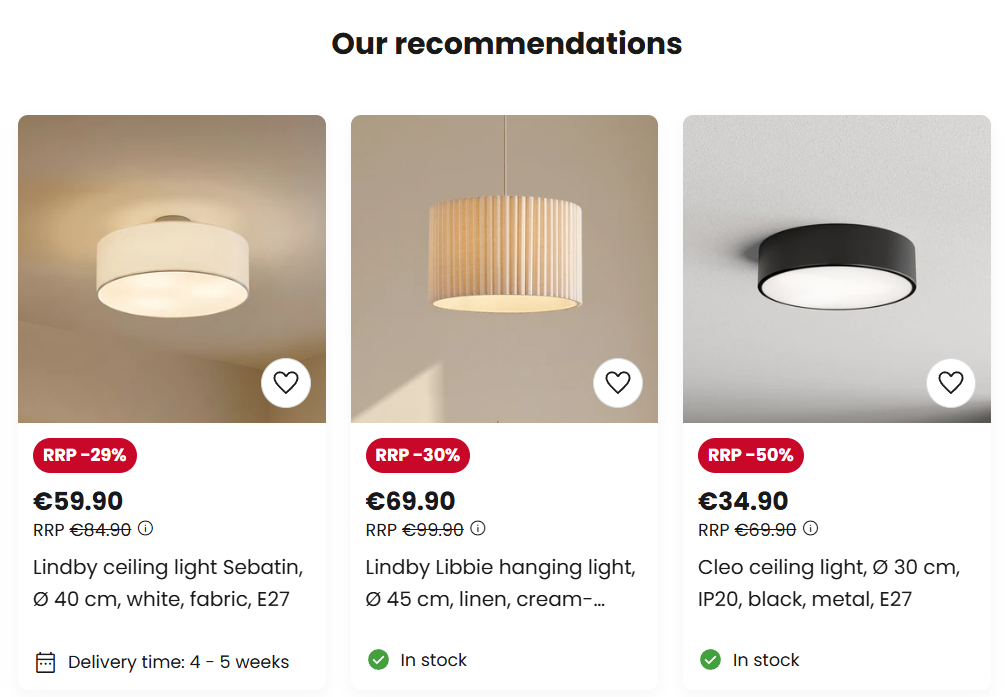
The kitchen requires particularly thoughtful lighting because it combines practical tasks with social activities. Cooking, chopping, cleaning, reading recipes, and dining all require different levels and directions of illumination.
A strong ambient light source can illuminate the overall kitchen, but task lighting is essential for work surfaces.
Under-cabinet lights are one of the most useful additions. They can illuminate countertops directly and reduce shadows caused by overhead cabinets.
Pendant lights can be highly effective above kitchen islands and breakfast bars. Depending on the size of the island, homeowners may choose one larger pendant or several smaller fixtures arranged in a row.
When exploring .lampenwelt kitchen lighting ideas, consider the height of the ceiling and the dimensions of the island. The fixture should provide useful illumination without interfering with people’s movements or obstructing views across the counter.
The color and finish of the fixture should also complement kitchen cabinets, worktops, appliances, and other hardware. A cohesive combination can make the entire kitchen feel more professionally designed.
Dining areas can use pendant lights or chandeliers positioned above the table. These fixtures can provide both practical illumination and a visual focal point.
The height of a dining light is important. It should be positioned so that it illuminates the table without creating an uncomfortable obstruction between people sitting opposite one another.
Kitchens can also benefit from multiple circuits or independently controlled fixtures. This allows bright task lighting when preparing food and softer lighting when the kitchen is being used primarily for socializing.
LED lighting is particularly useful in kitchens because it can provide efficient illumination in compact formats. Strip lighting, spotlights, and integrated fixtures can all be used to illuminate specific areas.
Remember that kitchens can contain moisture, heat, and cooking vapors. Lighting products should be selected and installed appropriately for their intended environment, following manufacturer instructions and relevant safety requirements.
With the right combination of ceiling, task, and decorative lighting, a kitchen can become both more functional and more inviting.
5. Making Home Offices More Productive With .lampenwelt Lighting Solutions
As working and studying from home have become common, home office lighting deserves more attention. Poor lighting can make a workspace uncomfortable, while a well-planned setup can make everyday tasks easier.
The desk lamp is often the most important fixture. It should provide sufficient illumination for reading documents, writing, or other close-up tasks.
Adjustable desk lamps are especially useful because they allow you to change the direction and position of the light.
When choosing .lampenwelt lighting for a home office, consider where your computer screen is positioned relative to windows and artificial lights. Reflections and glare can make screens difficult to view.
Natural daylight is generally valuable, but direct sunlight can create excessive brightness or reflections. Positioning the desk perpendicular to a window can sometimes provide a better balance.
Ambient lighting should also be included. Working with only a bright desk lamp in an otherwise dark room can create a strong contrast between the desk and surrounding area.
A ceiling fixture or indirect floor lamp can provide general illumination, while the desk lamp handles focused tasks.
Color temperature is another consideration. Some people prefer neutral or cooler-looking illumination in work areas because it can create a clear, focused environment. Others prefer warmer light for a softer atmosphere.
The right choice depends on the task and personal preference.
Home offices may also benefit from adjustable or smart lighting. Users can change brightness according to the time of day and switch between different lighting settings.
If the room serves multiple purposes, flexible lighting becomes even more valuable. A workspace might need bright task illumination during working hours but softer decorative lighting in the evening when the area becomes part of a living space.
Ultimately, good office lighting should provide enough visibility without creating unnecessary glare or visual discomfort.
6. Extending Your Home Style Outdoors With .lampenwelt Outdoor Lighting
Outdoor spaces deserve the same design consideration as interiors. Gardens, patios, terraces, balconies, entrances, and pathways can all benefit from carefully selected lighting.
Outdoor lighting has several purposes. It can improve visibility, support safe movement, highlight landscaping, and create an attractive atmosphere for evening activities.
Pathway lights can help illuminate walkways and garden routes. Wall lights can provide useful illumination around entrances, patios, and exterior walls.
For seating areas, decorative outdoor lamps can create a comfortable environment for entertaining or relaxing after sunset.
When considering .lampenwelt outdoor lighting, always check that fixtures are suitable for their intended outdoor location. Outdoor products must be selected according to the environmental conditions in which they will be installed.
Weather exposure is an important consideration. Lighting placed under a covered terrace may have different requirements from fixtures positioned fully exposed to rain and other outdoor conditions.
Garden lighting can also be used to highlight landscaping. Spotlights can emphasize trees, shrubs, sculptures, or architectural features.
However, outdoor lighting should be used thoughtfully. Excessive brightness can reduce the relaxing atmosphere of a garden and may create unwanted glare.
Warm illumination can often work well in outdoor leisure areas because it creates a welcoming atmosphere. Pathways and entrances may require clearer, more functional lighting.
Solar-powered fixtures can be convenient in some locations because they do not require conventional electrical connections. Their performance depends on factors such as sunlight exposure, weather, season, and battery capacity.
Motion sensors can also be useful around entrances, garages, and pathways. They can provide light when movement is detected rather than keeping fixtures illuminated continuously.
A well-planned outdoor lighting system can effectively extend the usable living area of your home beyond the interior walls.
7. Choosing Energy-Efficient and Stylish Lighting With .lampenwelt

Energy efficiency is an important part of modern lighting design. A beautiful lighting scheme should also be practical to operate and maintain over time.
LED technology has become a popular choice because LED lamps can provide efficient illumination in a wide range of designs. They are available for ceiling fixtures, pendant lights, wall lamps, table lamps, outdoor fixtures, and many other applications.
When comparing .lampenwelt lighting options, look beyond the appearance of the fixture. Consider brightness, energy consumption, color temperature, controls, and the expected maintenance requirements.
Brightness is commonly described in lumens. This measurement can help you compare the amount of light produced by different products.
Color temperature is measured in kelvins and influences whether a light appears warmer or cooler. Warmer light can suit bedrooms and relaxing areas, while neutral illumination can be useful in kitchens, offices, and other task-oriented spaces.
Dimmable lighting provides another way to improve efficiency and flexibility. Instead of operating a fixture at maximum brightness all the time, you can reduce its output when less light is needed.
Smart lighting can also provide automated control. Depending on the system, users may be able to schedule lights, adjust brightness, or control multiple fixtures together.
Sensors can be particularly useful in hallways, storage rooms, bathrooms, entrances, and outdoor areas where lights may otherwise be left on unnecessarily.
Another effective strategy is to make better use of natural daylight. Keep windows unobstructed where practical, arrange furniture to take advantage of daylight, and avoid turning on artificial lighting unnecessarily during bright daytime hours.
Maintenance should also be considered. Dust and dirt can reduce the effectiveness of some fixtures, so cleaning lamps and shades periodically can help maintain their appearance and performance.
When replacing lighting, avoid choosing fixtures based solely on trends. A timeless design with suitable functionality may remain useful for many years.
Modern lighting is ultimately about finding a balance between aesthetics, functionality, efficiency, and comfort.
Conclusion: Build a Better Home With .lampenwelt Lighting Ideas
A well-designed lighting plan can completely change the atmosphere and functionality of a home. From the living room and bedroom to the kitchen, home office, garden, and terrace, every space has different lighting requirements.
The most successful approach is to combine different layers of illumination rather than relying on a single light source. Ambient lighting provides general brightness, task lighting supports specific activities, and accent lighting adds character and visual depth.
Exploring .lampenwelt can provide inspiration for different lamp styles and modern lighting approaches. Whether you prefer minimalist fixtures, decorative pendants, practical wall lamps, versatile floor lights, or efficient LED solutions, the right combination can make a home feel more comfortable and visually cohesive.
Before purchasing a fixture, consider the room’s size, ceiling height, furniture arrangement, natural daylight, intended activities, and existing interior design. Also pay attention to brightness, color temperature, energy consumption, controls, and installation requirements.
Lighting does not have to be complicated. Even a few carefully selected changes can make a noticeable difference. A pendant light above a dining table, a floor lamp beside a reading chair, under-cabinet lighting in the kitchen, or a wall light beside an entrance can improve both practicality and appearance.
The best modern lighting design is one that works naturally with your lifestyle. By combining function with style and choosing suitable fixtures for each environment, you can create rooms that are brighter, more comfortable, more efficient, and more inviting throughout the day and evening.