

Discovering Smart Technology Shopping With Newegg
Technology has become deeply connected to the way people work, communicate, learn, and relax every single day. From powerful gaming computers to compact smart home gadgets, the demand for innovative electronics continues to grow rapidly across the world. Consumers are no longer searching only for expensive premium devices because modern buyers want products that match their budget while still delivering excellent quality and performance. This shift has transformed online electronics shopping into a highly competitive space where customers expect convenience, affordability, fast delivery, and trusted brands all in one place.
Among the many online technology marketplaces available today, Newegg has built a strong reputation for offering a massive collection of electronic products for every type of customer. Whether someone is building a professional workstation, upgrading a gaming setup, purchasing affordable student laptops, or exploring smart home technology, the platform offers countless options designed for different lifestyles and spending limits. Shoppers often choose the platform because it combines product variety with frequent discounts, special promotions, and detailed product information that simplifies the buying process.
The world of electronics can sometimes feel overwhelming because there are so many brands, technical specifications, and constantly changing trends. A person shopping for a graphics card may suddenly discover dozens of models with different memory capacities, cooling systems, and performance levels. Someone searching for headphones might face endless choices involving sound quality, battery life, noise cancellation, and design. In such situations, customers appreciate platforms that organize products clearly while also helping them compare options intelligently.
Online electronics shopping has evolved beyond simply buying gadgets. Today, customers want a complete digital shopping experience that includes trusted reviews, flexible payment methods, fast shipping services, warranty support, and reliable customer care. This modern expectation has encouraged leading technology marketplaces to focus on creating a user-friendly environment where consumers feel confident before making a purchase.
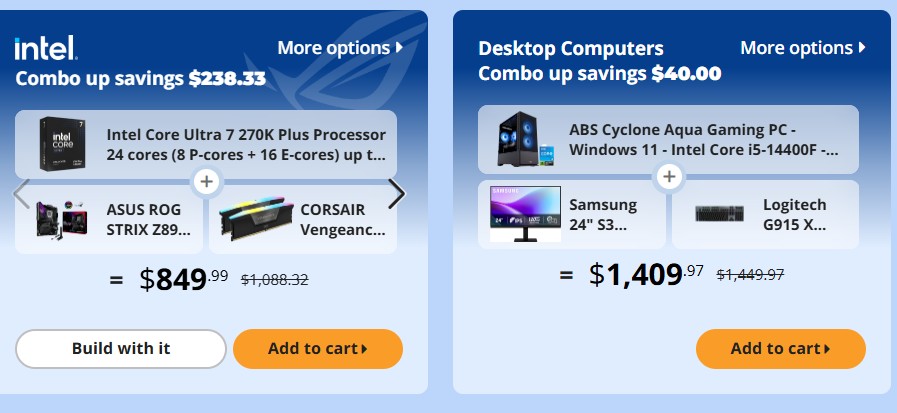
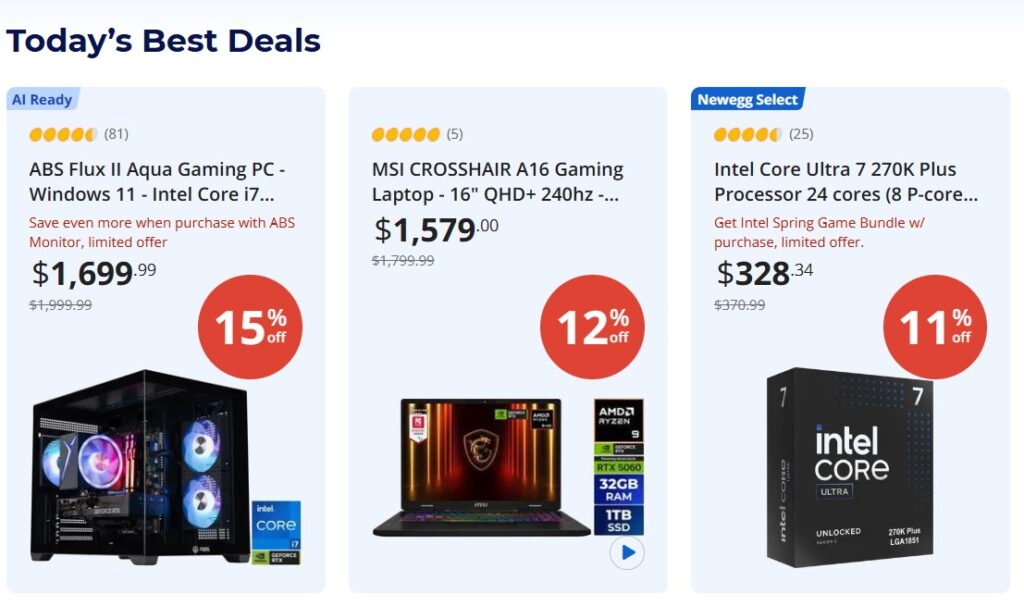
One of the biggest advantages of shopping for electronics online is access to exclusive deals that are often unavailable in physical retail stores. Seasonal sales, flash discounts, bundle offers, and limited-time promotions allow buyers to save significant amounts of money while still purchasing high-quality products. This has become especially important as technology products continue to improve rapidly, encouraging consumers to upgrade their devices more frequently than before.
The growth of remote work and online education has also increased the importance of affordable electronics. Students require reliable laptops for virtual classes, professionals depend on fast internet equipment for remote collaboration, and content creators need advanced hardware for editing and streaming. As a result, buyers are paying closer attention to performance, durability, and value rather than focusing only on luxury brands.
Another reason online technology marketplaces continue to attract millions of users is the availability of expert recommendations and community feedback. Detailed customer reviews often provide real-world experiences that help new buyers make better decisions. Instead of relying only on advertisements, shoppers can understand how a product performs in everyday situations. This transparency has improved trust within the online electronics industry and encouraged smarter purchasing habits.
Modern consumers are also becoming more aware of long-term value. Instead of purchasing random gadgets impulsively, buyers now compare features carefully to ensure they receive the best balance between quality and affordability. Energy efficiency, upgrade potential, compatibility, and future performance are all major factors influencing purchasing decisions today.
Technology is no longer limited to enthusiasts and professionals. Families, students, office workers, gamers, travelers, and even senior citizens rely on electronic devices daily. This broad demand has created opportunities for online retailers to serve a wider audience by offering products across different price ranges and technical categories.
As digital lifestyles continue expanding, reliable technology shopping platforms remain essential for consumers seeking convenience and trusted electronics solutions. The ability to discover innovative devices, compare prices, explore exclusive discounts, and receive products directly at home has completely transformed the modern shopping experience. With growing competition in the tech industry, buyers now enjoy greater flexibility and more choices than ever before, making online electronics shopping one of the most exciting sectors in the digital economy.
Exploring Affordable Electronics For Everyday Needs

Technology is often associated with expensive devices and premium gadgets, but modern online marketplaces have changed this perception by making electronics accessible for nearly every budget. Affordable technology products now offer impressive features that were once limited to high-end devices, allowing more people to enjoy better digital experiences without spending excessive amounts of money.
Many consumers believe budget electronics automatically mean poor quality, but this is no longer true in today’s competitive market. Manufacturers continuously improve affordable devices to attract a wider audience, leading to stronger performance, better designs, and longer durability even at lower price points. Students, freelancers, first-time buyers, and families often discover that budget-friendly electronics are more than enough for their daily requirements.
Laptops remain one of the most important technology purchases for modern consumers. Affordable laptop models now provide reliable performance for online classes, office work, browsing, entertainment, and light creative tasks. Buyers no longer need premium business machines for simple productivity because budget systems are capable of handling multiple applications smoothly. This shift has made technology more inclusive and practical for millions of users worldwide.
Gaming has also become more accessible thanks to affordable components and entry-level gaming systems. Earlier, gaming computers were considered luxury products, but competitive pricing and wider product availability now allow casual gamers to build enjoyable setups within reasonable budgets. Budget graphics cards, processors, and gaming accessories continue improving each year, helping gamers enjoy modern titles without investing huge amounts of money.
Smartphones are another category where affordability has dramatically improved. Mid-range devices now feature advanced cameras, fast processors, long-lasting batteries, and attractive displays that rival premium flagship models. This has created strong competition between manufacturers, ultimately benefiting customers who can now access powerful technology at lower prices.
Smart home devices have also become increasingly affordable. Products like smart speakers, security cameras, smart lighting systems, and wireless doorbells are no longer limited to luxury homes. Consumers can create convenient connected living environments without spending heavily. Affordable smart technology helps improve comfort, energy efficiency, and home security while remaining accessible to everyday users.
Accessories are equally important in the technology ecosystem. Wireless headphones, mechanical keyboards, gaming mice, portable SSDs, and USB hubs have become essential for work and entertainment. Budget-friendly versions of these products often deliver impressive quality and functionality, making them excellent choices for users who want practical upgrades without premium pricing.
One major advantage of online electronics platforms is the ability to compare multiple products quickly. Consumers can review specifications, ratings, compatibility, and pricing within minutes. This convenience allows shoppers to identify products that deliver the best value rather than simply choosing the most expensive option available.
Discount events and seasonal sales further increase affordability. Electronics retailers regularly introduce promotions during holiday seasons, back-to-school campaigns, gaming festivals, and clearance events. These opportunities allow buyers to purchase high-performance products at significantly reduced prices, making advanced technology accessible to larger audiences.
Refurbished and open-box products are another excellent solution for budget-conscious buyers. Many shoppers are now comfortable purchasing professionally tested electronics that offer lower prices while still maintaining quality and warranty support. This approach not only saves money but also supports more sustainable consumption practices within the technology industry.
Affordable electronics are especially valuable for students and remote workers who need dependable devices without stretching their finances. Reliable internet routers, webcams, headphones, and compact workstations have become essential tools for digital communication and productivity. Budget technology products now help individuals stay connected, productive, and entertained more efficiently than ever before.
The increasing quality of affordable electronics demonstrates how technology continues evolving to serve wider audiences. Consumers no longer need to compromise heavily between performance and price because manufacturers and retailers understand the importance of delivering balanced value. As competition continues growing, shoppers benefit from better products, lower prices, and greater accessibility across nearly every technology category.
Understanding The Growing Popularity Of Online Tech Shopping
The rise of online technology shopping has transformed consumer behavior across the world. People who once visited physical electronics stores now prefer browsing digital marketplaces because of the convenience, variety, and competitive pricing available online. This shift accelerated significantly as internet access improved and digital payment systems became more secure and widely accepted.
One of the biggest reasons online electronics shopping has become so popular is convenience. Customers can explore thousands of products from home without dealing with traffic, crowded stores, or limited local inventory. This flexibility allows buyers to compare specifications, read reviews, and evaluate prices at their own pace before making purchasing decisions.
Modern consumers appreciate having access to detailed information while shopping online. Product descriptions, technical specifications, compatibility details, and customer reviews provide transparency that helps buyers make informed decisions. Instead of relying solely on sales representatives, consumers can research independently and understand products more thoroughly.
The availability of global brands is another major advantage of online technology marketplaces. Buyers can access products from leading manufacturers without depending on local store availability. Whether someone wants premium gaming hardware, specialized productivity tools, or smart home devices, online platforms often provide significantly broader selections than traditional retail stores.
Competitive pricing also plays an important role in attracting online shoppers. Digital marketplaces frequently offer lower prices because they can operate with fewer physical expenses compared to traditional retailers. Flash sales, coupon discounts, promotional bundles, and exclusive online offers create additional savings opportunities for consumers.
Fast delivery services have further improved the online shopping experience. Many customers now expect quick shipping and reliable tracking systems that allow them to monitor purchases from warehouse to doorstep. Efficient logistics networks have increased customer confidence and encouraged more people to purchase electronics online regularly.
Customer reviews are another essential feature influencing modern purchasing decisions. Buyers often trust real user experiences because they provide practical insights about performance, reliability, and usability. Positive reviews can significantly influence purchasing confidence, while detailed feedback helps consumers avoid unsuitable products.
Technology enthusiasts especially enjoy online shopping because it allows easy access to the latest innovations. Newly released processors, graphics cards, gaming consoles, and smart devices often appear online before reaching local stores. Enthusiasts appreciate the ability to pre-order products, follow launch announcements, and secure limited-edition devices more efficiently.
Online marketplaces also support niche technology communities. Consumers searching for specialized components such as mechanical keyboards, streaming equipment, custom PC cooling systems, or professional editing hardware can often find products that may never appear in local retail outlets. This broader accessibility has empowered hobbyists, creators, and professionals alike.
Another major factor contributing to online shopping growth is personalized recommendations. Advanced algorithms help consumers discover products based on browsing history, interests, and previous purchases. This personalized experience saves time while introducing buyers to relevant products they may not have considered otherwise.
Mobile shopping applications have made technology purchasing even easier. Consumers can compare prices, place orders, and receive notifications directly from smartphones. This seamless integration between shopping platforms and mobile devices has created highly efficient consumer experiences that encourage repeat purchases.
Online electronics shopping also supports international accessibility. Consumers living in smaller cities or remote regions can now purchase advanced technology products that were previously difficult to obtain locally. This wider distribution network has contributed significantly to global digital inclusion and technology adoption.
As technology continues evolving rapidly, online marketplaces remain central to the modern electronics industry. Consumers increasingly value speed, convenience, transparency, and variety, all of which are strengths of digital retail platforms. The combination of affordability, accessibility, and innovation ensures that online technology shopping will continue expanding in the years ahead.
Building The Perfect Gaming And Productivity Setup
Modern technology users often seek devices that can support both entertainment and productivity. Gaming setups are no longer designed exclusively for playing video games because many consumers also use them for streaming, video editing, graphic design, remote work, and content creation. This has increased demand for versatile hardware capable of delivering strong performance across multiple activities.
A successful setup begins with choosing the right computer components or prebuilt system. Processors play a critical role because they influence multitasking efficiency, gaming performance, and software responsiveness. Consumers typically compare processing power, core counts, thermal efficiency, and compatibility before selecting suitable hardware.
Graphics cards are equally important, particularly for gaming enthusiasts and creative professionals. Modern GPUs support realistic visuals, high frame rates, advanced rendering, and accelerated creative workflows. As visual quality standards continue rising, buyers increasingly prioritize graphics performance when building or upgrading their systems.
Memory and storage solutions have also evolved dramatically. Solid-state drives provide significantly faster loading speeds compared to traditional hard drives, improving gaming performance and productivity efficiency. Higher memory capacities allow smoother multitasking and support demanding applications used by creators and professionals.
Displays are another major component of modern setups. Gamers often prioritize high refresh rates and low response times, while designers and editors focus on color accuracy and resolution quality. Curved monitors, ultrawide displays, and dual-screen configurations have become increasingly popular because they improve immersion and productivity simultaneously.
Mechanical keyboards and precision gaming mice are now essential accessories for many users. These peripherals enhance comfort, speed, and control during long gaming sessions or extended work hours. Buyers frequently compare switch types, ergonomic features, customizable lighting, and wireless capabilities before making decisions.
Audio quality has become equally important in both gaming and professional environments. Wireless headsets, studio microphones, and desktop speakers help improve communication, streaming quality, and entertainment experiences. As remote collaboration and online gaming continue growing, consumers increasingly invest in reliable audio equipment.
Streaming culture has further influenced modern setup trends. Content creators require webcams, lighting equipment, capture devices, and editing hardware to produce professional-quality content. This has created growing demand for affordable creator-focused technology products that balance quality and cost-effectiveness.
Cooling systems also play an essential role in maintaining stable performance. Advanced processors and graphics cards generate significant heat during heavy workloads, making efficient cooling solutions important for long-term reliability. Consumers now explore liquid cooling systems, airflow-optimized cases, and silent cooling technologies to improve performance and comfort.
Cable management and desk organization have become part of the overall setup experience as well. Clean workspaces improve productivity, reduce distractions, and create visually appealing environments for gaming and streaming. Adjustable desks, monitor arms, ergonomic chairs, and LED lighting systems contribute to more comfortable and attractive setups.
Portable productivity devices have also gained popularity among remote workers and students. Lightweight laptops, tablets, portable monitors, and compact keyboards allow users to remain productive while traveling or working from different locations. Flexibility has become a major priority for modern consumers who value mobility alongside performance.
Technology enthusiasts often enjoy upgrading setups gradually rather than purchasing everything at once. Online marketplaces support this approach by offering countless component choices across different price ranges. Buyers can improve systems step by step according to changing needs and budgets.
The growing connection between work and entertainment continues shaping modern technology purchasing decisions. Consumers now seek balanced systems capable of supporting gaming, creativity, communication, and productivity simultaneously. This demand encourages manufacturers and retailers to develop more versatile products that deliver excellent experiences across multiple digital activities.
Finding Long Term Value In Modern Electronics
Purchasing electronics is no longer only about immediate satisfaction because consumers increasingly focus on long-term value and reliability. Technology products represent important investments, and buyers want devices that remain useful, durable, and relevant for several years. This shift has changed how people evaluate electronics before making purchasing decisions.
Durability is one of the most important factors influencing long-term value. Consumers prefer products built with strong materials, reliable internal components, and dependable performance histories. A device that performs consistently for years often provides better value than cheaper alternatives requiring frequent replacement.
Software support also affects long-term usability significantly. Devices receiving regular updates remain safer, faster, and compatible with modern applications. Consumers increasingly research update policies before purchasing smartphones, laptops, and smart devices because software longevity directly impacts overall user experience.
Energy efficiency has become another major consideration in the electronics industry. Modern consumers are more conscious about electricity consumption, particularly with gaming computers, monitors, and home appliances. Energy-efficient products help reduce long-term operational costs while supporting environmentally responsible usage habits.
Upgrade potential is particularly valuable for desktop computers and gaming systems. Buyers appreciate hardware that allows future improvements such as additional memory, upgraded storage, or newer graphics cards. Expandable systems extend product lifespan and reduce the need for complete replacements.
Warranty services and customer support also contribute strongly to perceived value. Consumers feel more confident purchasing electronics when reliable support systems are available. Repair services, replacement policies, and technical assistance improve customer trust and encourage long-term loyalty toward trusted retailers and brands.
Compatibility between devices is another important factor in modern technology ecosystems. Consumers often use multiple connected products including smartphones, laptops, tablets, headphones, and smart home devices. Products that integrate smoothly within digital ecosystems provide more convenient experiences and increase overall value.
Technology trends continue evolving rapidly, making research more important than ever before. Buyers who understand product specifications, performance expectations, and future requirements are better positioned to make smart investments. Online reviews, expert recommendations, and detailed comparisons help consumers avoid impulsive purchases and focus on lasting value instead.
Sustainability has also become increasingly relevant in the electronics market. Many consumers now consider environmental impact when purchasing devices. Refurbished products, recyclable packaging, energy-efficient designs, and longer product lifespans contribute positively to more responsible technology consumption practices.
Budget planning plays a major role in maximizing value as well. Consumers who prioritize essential features rather than unnecessary luxury additions often achieve better long-term satisfaction. Careful purchasing decisions allow buyers to allocate budgets efficiently while still obtaining high-quality products that meet their needs effectively.
Technology retailers continue improving customer experiences by offering financing options, bundle deals, and loyalty programs. These services help consumers access better products without immediate financial pressure while also encouraging smarter purchasing habits over time.
The future of electronics shopping will likely focus even more on personalization, efficiency, and value optimization. Artificial intelligence recommendations, enhanced comparison tools, and faster delivery systems will continue improving customer experiences. Consumers will increasingly expect technology products that combine affordability, reliability, sustainability, and innovation together.
Modern electronics are deeply connected to education, entertainment, communication, creativity, and professional success. Choosing the right products requires careful consideration of both current needs and future expectations. As technology becomes even more integrated into everyday life, smart purchasing decisions will remain essential for maximizing long-term satisfaction and value.
Online marketplaces continue shaping the future of technology shopping by offering broader accessibility, competitive pricing, and endless product variety. Consumers who explore products thoughtfully and focus on quality, compatibility, and long-term usefulness can build technology ecosystems that support their lifestyles effectively for many years ahead.