

The Shift Toward Experience-Driven Luxury Shopping
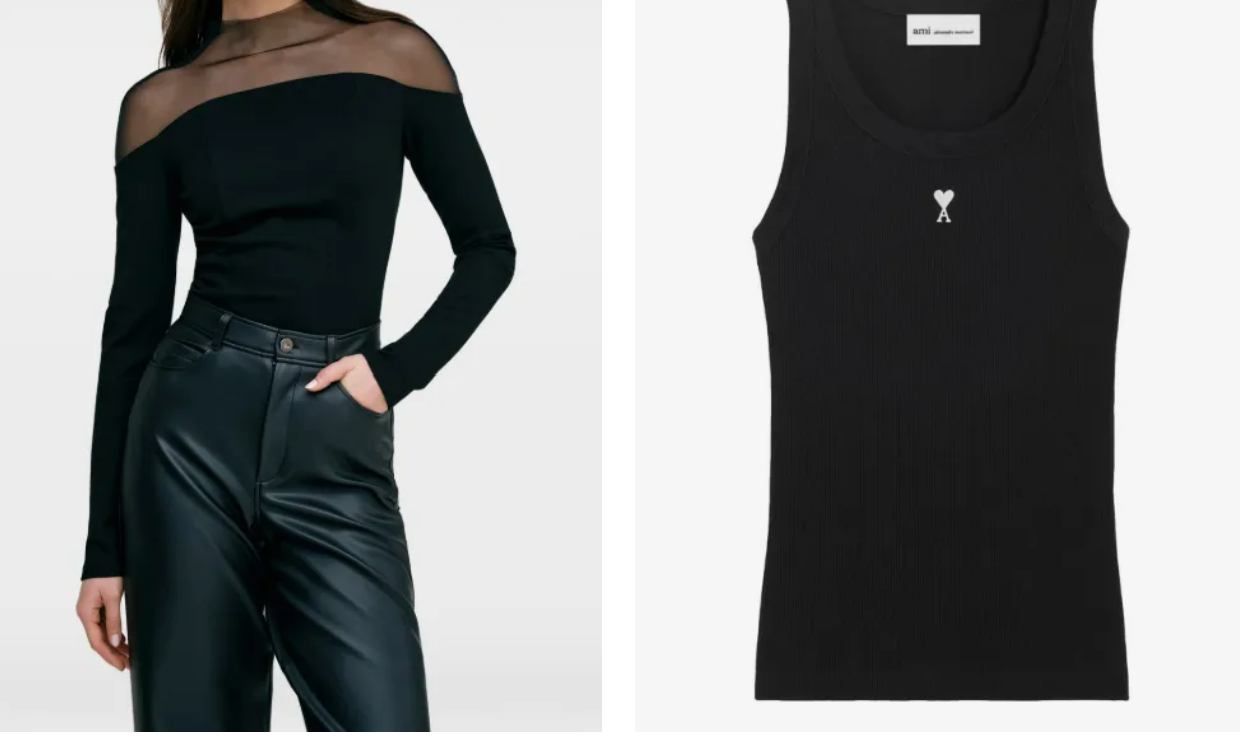
Luxury consumers today are not just buying products—they are investing in experiences. This shift has fundamentally changed how brands and platforms operate, and Farfetch has adapted by prioritizing immersive and engaging shopping journeys.
Instead of focusing solely on transactions, Farfetch creates a digital environment where customers can explore collections, discover designers, and interact with curated content. This experience-driven approach enhances customer satisfaction and builds stronger emotional connections with the brand.
By blending storytelling, personalization, and seamless navigation, Farfetch elevates online shopping to match the exclusivity of traditional luxury retail.
Hyper-Personalization and Customer Insights
Farfetch has taken personalization to the next level by implementing hyper-personalized experiences powered by data and artificial intelligence.
The platform analyzes user behavior in real time to deliver tailored product recommendations, curated collections, and targeted promotions. This level of precision ensures that customers are presented with items that align closely with their preferences.
Hyper-personalization not only improves user engagement but also increases conversion rates and customer loyalty, making it a critical component of Farfetch’s growth strategy.
The Role of Luxury Resale and Pre-Owned Fashion
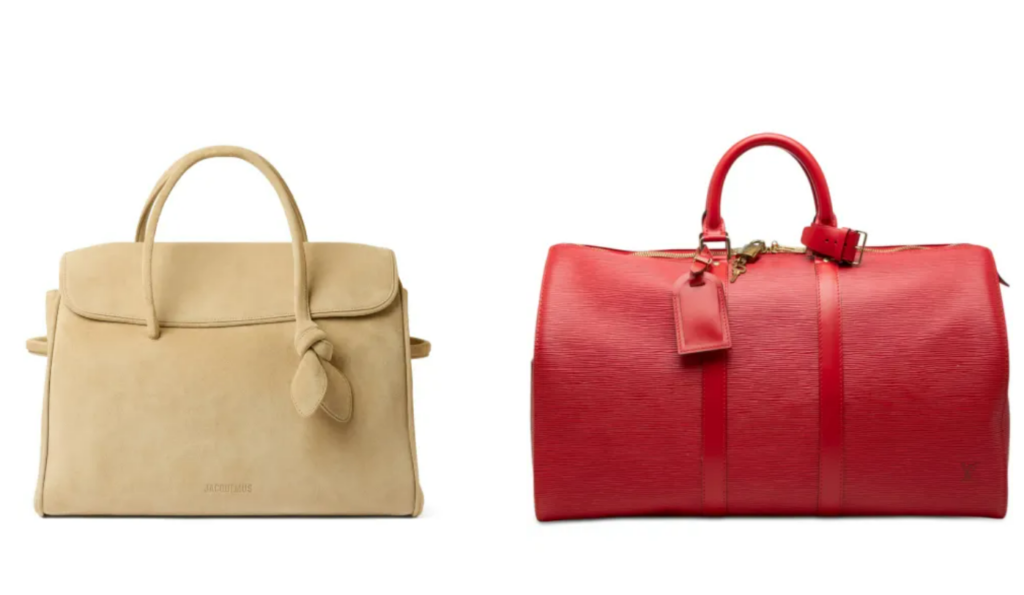
The resale market is rapidly growing, and Farfetch has strategically positioned itself within this segment. By offering pre-owned luxury items, the platform taps into a new audience that values sustainability and affordability.
This approach also extends the lifecycle of luxury products, reducing waste and promoting responsible consumption. Customers benefit from access to rare and vintage pieces, adding a unique dimension to their shopping experience.
The integration of resale into its ecosystem demonstrates Farfetch’s ability to adapt to emerging trends and consumer demands.
Building a Global Luxury Community
Farfetch is more than a marketplace—it is a global community of fashion enthusiasts, designers, and retailers. The platform fosters connections between these groups, creating a dynamic and collaborative environment.
Through features like curated collections, editorial content, and social media integration, Farfetch encourages interaction and engagement. This sense of community enhances brand loyalty and strengthens its position in the market.
By building a global network, Farfetch ensures that it remains relevant and influential in the ever-changing fashion landscape.
The Importance of Localization in Global Markets
Operating in over 190 countries requires a strong focus on localization. Farfetch adapts its platform to meet the specific needs of different regions, including language, currency, and cultural preferences.
This localized approach improves the user experience and increases customer satisfaction. It also allows Farfetch to effectively compete in diverse markets.
By understanding and catering to regional differences, Farfetch maximizes its global reach while maintaining a personalized touch.
Advanced Logistics and Last-Mile Delivery
Efficient logistics are essential for the success of any e-commerce platform, and Farfetch has invested heavily in optimizing its supply chain.
The company’s distributed model—where products are shipped directly from boutiques—requires sophisticated coordination. Farfetch uses advanced logistics systems to ensure timely delivery and accurate tracking.
Last-mile delivery is particularly important in luxury e-commerce, where customer expectations are high. Farfetch addresses this by partnering with reliable carriers and offering flexible delivery options.
Data Security and Customer Trust
In the digital age, data security is a major concern for consumers. Farfetch prioritizes the protection of customer information through secure payment systems and robust data protection measures.
Transparency in policies and clear communication further enhance trust. Customers can shop with confidence, knowing that their data and transactions are .
This commitment to security and reliability is crucial for maintaining a strong reputation in the luxury market.
Competitive Positioning in a Crowded Market
Farfetch operates in a highly competitive environment, with platforms like Net-a-Porter and Mytheresa competing for the same audience.
What sets Farfetch apart is its marketplace model, which allows for a broader selection of products and greater flexibility. Its focus on technology and innovation also gives it an edge over competitors.
By continuously evolving its strategy, Farfetch maintains a strong competitive position in the luxury e-commerce space.
Innovation in Payment and Checkout Experience
Farfetch has streamlined the payment process to make it as convenient as possible for customers. The platform supports multiple payment methods, including credit cards, digital wallets, and regional payment options.
This flexibility ensures that customers from different regions can complete transactions بسهولة and securely. A smooth checkout experience reduces cart abandonment and improves overall satisfaction.
Innovations in payment technology also contribute to faster and more efficient transactions.
The Future of Farfetch in a Digital-First World
As the world becomes increasingly digital, Farfetch is well-positioned to lead the next phase of luxury e-commerce. The company’s focus on innovation, personalization, and global connectivity aligns with the direction of the industry.
Emerging technologies such as augmented reality, virtual reality, and blockchain could further enhance the platform’s capabilities. These advancements will provide new ways for customers to interact with products and verify authenticity.
Farfetch’s ability to embrace these technologies will determine its long-term success.
Strategic Takeaways

Farfetch’s success is built on a combination of innovation, adaptability, and a deep understanding of consumer behavior. Its marketplace model, supported by advanced technology, has redefined how luxury fashion is bought and sold.
By focusing on customer experience, sustainability, and global expansion, Farfetch continues to set new standards in the industry.
As competition intensifies, the company’s commitment to innovation and strategic growth will be key to maintaining its leadership position.