

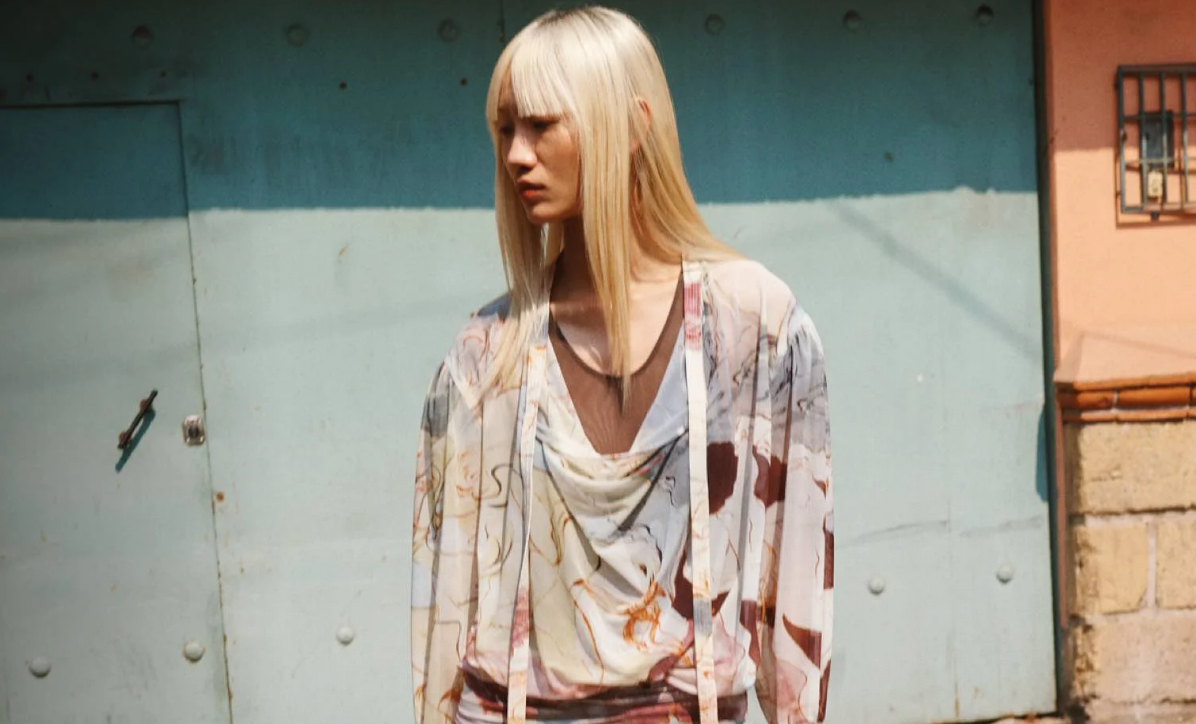
The Evolution of Luxury Consumer Behavior
The luxury fashion industry has undergone a significant transformation over the past decade, driven largely by changing consumer behavior. Today’s luxury shoppers are more digitally savvy, value convenience, and expect personalized experiences. Farfetch has successfully adapted to these shifts by creating a platform that aligns with modern expectations.
Consumers are no longer satisfied with simply purchasing high-end products—they want experiences. Farfetch delivers this by combining storytelling, curated collections, and seamless digital interaction. This shift toward experience-driven shopping has redefined what luxury means in the digital age.
Personalization as a Core Growth Driver
Personalization is one of Farfetch’s most powerful tools for driving engagement and sales. By leveraging data analytics, the platform creates a tailored shopping journey for each user.
From customized product recommendations to curated email campaigns, every interaction is designed to feel relevant and engaging. This level of personalization not only improves customer satisfaction but also increases conversion rates.
In an industry where exclusivity is key, personalization allows Farfetch to replicate the bespoke experience traditionally associated with luxury boutiques.
Farfetch’s Role in the Circular Fashion Economy
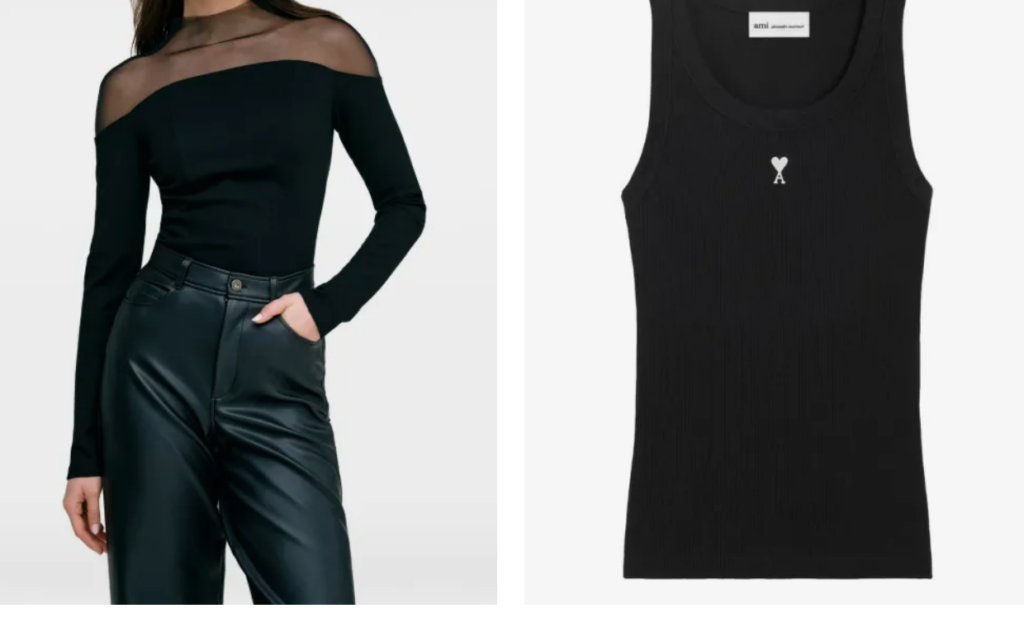
Sustainability is no longer optional in the fashion industry—it is a necessity. Farfetch has embraced this shift by actively participating in the circular fashion economy.
The platform promotes pre-owned luxury items, encouraging customers to buy and sell second-hand fashion. This not only reduces waste but also makes luxury more accessible to a wider audience.
By supporting circular fashion, Farfetch aligns itself with environmentally conscious consumers and contributes to a more sustainable future.
The Power of Global Brand Storytelling
Storytelling plays a crucial role in Farfetch’s marketing strategy. Instead of simply listing products, the platform creates narratives around brands, designers, and collections.
This approach helps customers connect emotionally with the products they purchase. By highlighting the craftsmanship, heritage, and inspiration behind each item, Farfetch enhances the perceived value of luxury goods.
Storytelling also differentiates the platform from competitors, creating a more immersive and engaging shopping experience.
Farfetch’s Data-Driven Decision Making
Data is at the heart of Farfetch’s operations. The company uses advanced analytics to understand customer behavior, predict trends, and optimize its platform.
This data-driven approach allows Farfetch to make informed decisions about product offerings, pricing strategies, and marketing campaigns. It also helps partner boutiques manage inventory more effectively.
By leveraging data, Farfetch can stay ahead of market trends and continuously improve its services.
Strategic Collaborations and Partnerships
Collaborations are a key component of Farfetch’s growth strategy. The platform partners with luxury brands, designers, and even technology companies to create unique experiences.
These collaborations often result in exclusive collections that attract attention and drive traffic. They also strengthen relationships with key stakeholders in the fashion industry.
Strategic partnerships enable Farfetch to expand its capabilities and maintain its position as a leader in luxury e-commerce.
Farfetch and the Rise of Digital Luxury Experiences
Digital experiences are becoming increasingly important in the luxury sector. Farfetch is investing in technologies that enhance the online shopping journey, such as virtual showrooms and interactive content.
These innovations allow customers to explore products in new and engaging ways. For example, virtual try-ons and 3D visualizations provide a more realistic understanding of how items will look and feel.
By focusing on digital experiences, Farfetch is redefining what it means to shop for luxury online.
Adapting to Economic and Market Changes
The global economy has a significant impact on the luxury fashion industry. Economic downturns can affect consumer spending, while market trends can shift rapidly.
Farfetch has demonstrated resilience by adapting its strategies to changing conditions. This includes optimizing operations, focusing on high-growth markets, and diversifying revenue streams.
The company’s ability to navigate challenges is a testament to its strong leadership and strategic vision.
The Importance of Trust and Authenticity
Trust is a critical factor in luxury e-commerce. Customers need to be confident that they are purchasing authentic products and receiving high-quality service.
Farfetch addresses this by working with reputable boutiques and brands, ensuring that all products meet strict quality standards. Secure payment systems and transparent policies further enhance trust.
By prioritizing authenticity and reliability, Farfetch builds long-term relationships with its customers.
Innovation as a Continuous Process
Innovation is not a one-time effort for Farfetch—it is an ongoing process. The company continuously explores new technologies and strategies to improve its platform.
From AI-driven personalization to advanced logistics solutions, innovation is embedded in every aspect of Farfetch’s operations. This commitment to progress ensures that the platform remains competitive in a rapidly evolving market.
Long-Term Vision and Industry Impact
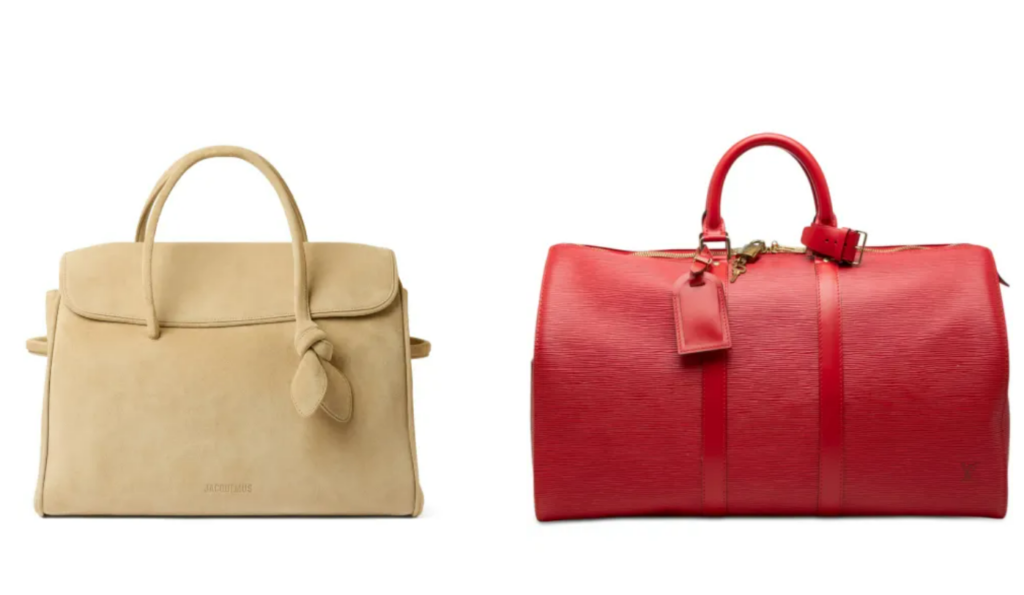
Farfetch’s long-term vision extends beyond being a marketplace. The company aims to become a global platform for luxury fashion, integrating technology, retail, and customer experience.
Its influence on the industry is undeniable. By setting new standards for digital retail, Farfetch has inspired other companies to innovate and adapt.
As the industry continues to evolve, Farfetch is likely to play a key role in shaping its future.