


In recent years, Pizza Hut has undergone a major strategic shift toward becoming a delivery-first brand. While dine-in restaurants once defined its identity, changing consumer habits have pushed the company to rethink its operational priorities. The rise of online food ordering, coupled with increasingly busy lifestyles, has made delivery the preferred choice for many customers. As a result, Pizza Hut has invested heavily in optimizing its delivery infrastructure to meet this demand.
This transformation includes the development of smaller, delivery-focused outlets that prioritize efficiency over traditional dining space. These locations are strategically placed to reduce delivery times and improve service coverage. By focusing on speed and convenience, Pizza Hut ensures that customers receive their orders quickly without compromising on quality.
Technology plays a crucial role in supporting this model. Advanced algorithms help optimize delivery routes, while real-time tracking systems provide customers with accurate updates. These innovations enhance transparency and build trust, which are essential for maintaining customer satisfaction.
The delivery-first approach also allows Pizza Hut to expand into areas where large dine-in restaurants may not be feasible. This flexibility enables the brand to reach new markets and increase its overall footprint. As consumer preferences continue to evolve, the emphasis on delivery is likely to remain a central aspect of Pizza Hut’s strategy.
The Rise of Cloud Kitchens and Virtual Brands
Another significant development in the fast-food industry is the emergence of cloud kitchens, and Pizza Hut has been quick to adapt to this trend. Cloud kitchens, also known as ghost kitchens, operate without a traditional dine-in space and focus solely on preparing food for delivery. This model reduces overhead costs and allows for greater operational efficiency.
For Pizza Hut, cloud kitchens provide an opportunity to expand rapidly without the need for large investments in physical infrastructure. These kitchens can be set up in strategic locations to serve high-demand areas, ensuring faster delivery times and improved service quality.
In addition to cloud kitchens, virtual brands have become an innovative way to reach different customer segments. These brands operate exclusively online and offer specialized menus that cater to specific tastes or trends. By experimenting with virtual concepts, Pizza Hut can diversify its offerings and attract new audiences without altering its core brand identity.
The combination of cloud kitchens and virtual brands represents a forward-thinking approach to modern food service. It allows Pizza Hut to remain agile and responsive in a highly competitive environment.
Leveraging Data for Personalization and Growth
Data has become one of the most valuable assets in the modern business landscape, and Pizza Hut uses it extensively to enhance customer experience and drive growth. Every interaction, from online orders to feedback, provides insights into customer preferences and behavior.
By analyzing this data, Pizza Hut can create personalized experiences for its customers. For example, the company can recommend menu items based on past orders or offer targeted promotions that align with individual preferences. This level of personalization makes customers feel valued and increases the likelihood of repeat business.
Data also plays a role in operational decision-making. Insights into peak ordering times, popular products, and regional preferences help the company optimize its menu and improve efficiency. This data-driven approach ensures that Pizza Hut can respond quickly to changing trends and customer demands.
Furthermore, predictive analytics allows the company to anticipate future needs and plan accordingly. Whether it is managing inventory or launching new products, data provides a foundation for informed decision-making. By leveraging data effectively, Pizza Hut can enhance both customer satisfaction and business performance.
The Importance of Employee Training and Workforce Management
Behind every successful Pizza Hut outlet is a team of employees who ensure that operations run smoothly. Employee training and workforce management are critical components of the company’s success. From preparing food to handling customer interactions, staff members play a vital role in delivering a positive experience.
Comprehensive training programs ensure that employees understand the brand’s standards and procedures. This includes everything from food preparation techniques to customer service skills. Consistency in training helps maintain quality across all locations, which is essential for building trust with customers.
Workforce management also involves scheduling, performance monitoring, and employee engagement. Efficient scheduling ensures that outlets are adequately staffed during peak hours, reducing wait times and improving service quality. Performance evaluations and feedback help employees improve their skills and contribute more effectively to the team.
Employee satisfaction is another important factor. Motivated and engaged employees are more likely to deliver better service, which directly impacts customer satisfaction. By investing in its workforce, Pizza Hut strengthens its operations and enhances its overall brand reputation.
The Role of Partnerships and Collaborations
Partnerships and collaborations have become an important strategy for Pizza Hut to expand its reach and enhance its offerings. By working with other companies, the brand can tap into new markets and create unique experiences for its customers.
One common form of partnership is with delivery platforms. Collaborating with popular food delivery apps allows Pizza Hut to reach a wider audience and increase order volumes. These platforms provide additional visibility and convenience, making it easier for customers to access the brand.
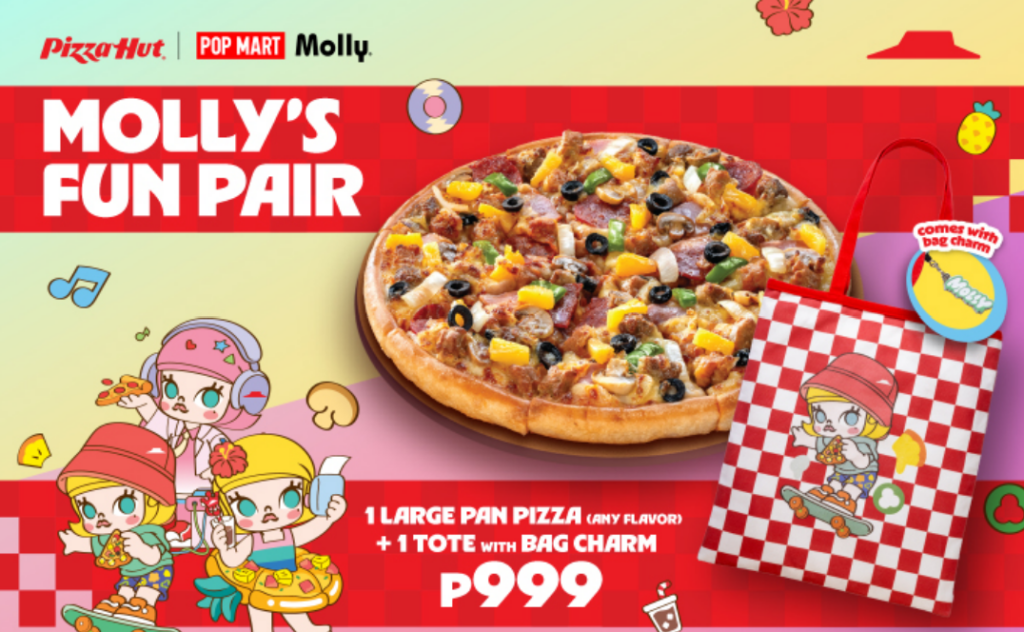
Collaborations with other brands and influencers also play a role in marketing and product innovation. Limited-time partnerships can generate excitement and attract attention, encouraging customers to try new products. These collaborations often result in creative menu items that stand out in the market.
Strategic partnerships can also extend to supply chain and technology providers. By working with reliable partners, Pizza Hut can improve efficiency, reduce costs, and maintain high standards of quality. These collaborations contribute to the overall success and sustainability of the business.
Addressing Health and Nutrition Trends
As consumers become more health-conscious, the fast-food industry faces increasing pressure to offer healthier options. Pizza Hut recognizes this trend and is taking steps to address changing dietary preferences. While indulgence remains a key aspect of its offerings, the brand is exploring ways to provide more balanced choices.
Introducing options such as whole-grain crusts, reduced-fat cheese, and vegetable-rich toppings can appeal to health-conscious customers. Transparency in nutritional information is also important, as it allows consumers to make informed decisions about their meals.
Portion control and customizable options further enhance the appeal of healthier choices. By allowing customers to tailor their orders, Pizza Hut can cater to a wide range of dietary needs and preferences. This flexibility is essential for staying relevant in a market that values both taste and nutrition.
Balancing indulgence with health, but it also presents an opportunity for innovation. By adapting to these trends, Pizza Hut can attract new customers while retaining its existing base.
Strengthening Brand Identity in a Competitive Market
In a crowded and competitive market, maintaining a strong brand identity is essential for long-term success. Pizza Hut has built a recognizable image over decades, characterized by its signature products, iconic branding, and commitment to quality.
However, staying relevant requires continuous evolution. The brand must balance its heritage with modern trends, ensuring that it appeals to both loyal customers and new audiences. This involves updating its visual identity, refining its messaging, and embracing digital platforms.
Storytelling and emotional connection play a key role in strengthening brand identity. By highlighting its history, values, and innovations, Pizza Hut can create a narrative that resonates with customers. This connection goes beyond products, fostering a sense of loyalty and trust.
Consistency is equally important. Whether it is the taste of the pizza or the quality of service, maintaining a consistent experience reinforces the brand’s reputation. By focusing on these elements, Pizza Hut can continue to stand out in a competitive landscape.
Exploring Future Opportunities and Innovation

The future presents numerous opportunities for Pizza Hut to grow and innovate. Emerging technologies, changing consumer behaviors, and global trends all offer avenues for development. One potential area is automation, which can improve efficiency and reduce operational costs. From automated kitchens to advanced delivery systems, technology can revolutionize the way Pizza Hut operates.
Another opportunity lies in expanding menu diversity. By incorporating global flavors and experimenting with new ingredients, the brand can keep its offerings fresh and appealing. This approach not only attracts new customers but also keeps existing ones engaged.
Sustainability will also play a critical role in shaping the future. Adopting eco-friendly practices and reducing environmental impact can enhance the brand’s image and align with consumer values.
Finally, focusing on customer experience will remain a priority. As expectations continue to rise, Pizza Hut must find new ways to exceed them. Whether through personalization, innovation, or exceptional service, the brand’s ability to adapt will determine its long-term success.