


The Origins and Mission of NTUC FairPrice
NTUC FairPrice was founded in 1973 by the labour movement in Singapore with a clear social mission: to help moderate the cost of living and make daily essentials affordable for everyone.
From its first supermarket in Toa Payoh, the company has grown into the largest grocery retailer in Singapore. Over the decades, it has remained committed to its founding purpose of keeping prices fair while ensuring quality products for consumers.
Unlike many traditional retail businesses, FairPrice operates as a cooperative under the National Trades Union Congress (NTUC). This structure allows it to focus not only on profits but also on community welfare and social impact.
Today, FairPrice is widely recognized as a trusted household name, serving hundreds of thousands of shoppers daily while continuing to support the community through various initiatives.
Retail Network and Store Formats
NTUC FairPrice operates a large and diverse retail network designed to meet different customer needs. The company runs supermarkets, hypermarkets, convenience stores, and premium outlets across Singapore.
With over 200 outlets and hundreds of touchpoints, the brand ensures accessibility for customers in both residential and commercial areas.
This multi-format strategy allows FairPrice to cater to a wide range of shoppers, from budget-conscious families to customers seeking premium products.
Products and Everyday Essentials
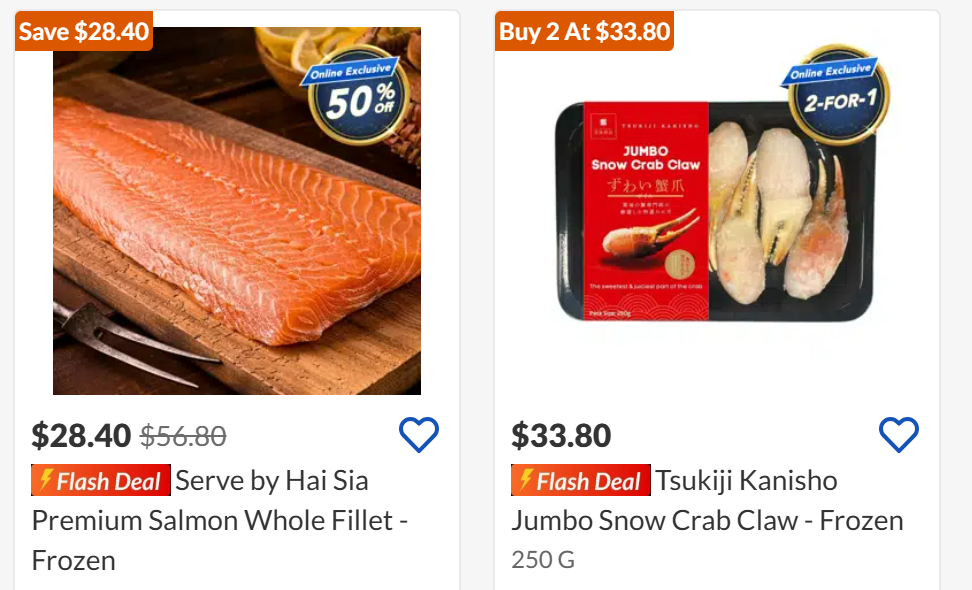
One of the key strengths of NTUC FairPrice is its extensive product range. The company offers groceries, fresh produce, household items, and ready-to-eat food products.
A major highlight is its housebrand range, which includes thousands of products across multiple categories. These items are typically priced lower than national brands, helping customers save money while maintaining quality.
The availability of affordable essentials plays a crucial role in supporting households, especially during periods of inflation or economic uncertainty. FairPrice’s pricing strategy is designed to ensure that basic necessities remain accessible to all segments of society.
In addition to groceries, the company has expanded into ready meals, food services, and lifestyle products, making it a one-stop solution for daily needs.
Digital Innovation and Online Shopping
NTUC FairPrice has embraced digital transformation to enhance customer convenience. The company operates an online grocery platform that allows customers to shop from home and schedule deliveries.
Its digital ecosystem includes mobile apps, online ordering systems, and loyalty programs such as Link Rewards. These tools provide personalized offers, discounts, and a seamless shopping experience.
The integration of physical stores with online services creates an omnichannel retail model. Customers can choose between in-store shopping and home delivery, depending on their preferences.
Digital innovation has also improved supply chain efficiency, inventory management, and customer engagement, helping FairPrice remain competitive in a rapidly evolving retail landscape.
Social Responsibility and Community Impact
A defining feature of NTUC FairPrice is its strong focus on social responsibility. The company is deeply committed to supporting the community and improving quality of life.
Through initiatives such as subsidies, discounts, and donations, FairPrice helps families manage the cost of living. It has contributed significant funds to community programs, including food donation drives and financial assistance for those in need.
The company also promotes sustainability through responsible sourcing, waste reduction, and environmentally friendly practices. These efforts align with global trends toward sustainable retail.
By balancing business operations with social goals, FairPrice demonstrates how retail companies can play a meaningful role in society.
The Future of NTUC FairPrice in Retail

The future of NTUC FairPrice is closely linked to innovation and changing consumer needs. As technology continues to transform retail, the company is expected to invest further in digital platforms, automation, and customer experience.
Expansion of online services, enhanced logistics systems, and personalized shopping experiences are likely to shape its future growth. The company may also continue to expand its ecosystem through partnerships and new business ventures.
At the same time, its core mission of keeping essentials affordable will remain central to its strategy. This balance between innovation and social responsibility positions FairPrice as a unique and influential player in the global retail industry.
As consumer expectations evolve, FairPrice is well positioned to remain a leader in grocery retail while continuing to serve its community with value and reliability.