


As businesses increasingly prioritize upskilling, Udemy has expanded beyond individual learners into enterprise solutions. Through its corporate learning ecosystem, companies gain access to curated course collections aligned with workforce development goals. Organizations use these resources to train teams in leadership, cybersecurity awareness, cloud technologies, communication skills, and project management methodologies.
Corporate learning dashboards allow managers to track employee progress, course completion rates, and engagement metrics. This data-driven approach helps companies identify skill gaps and design targeted training pathways. In fast-changing industries, structured digital training reduces onboarding time and improves adaptability.
The enterprise shift highlights how Udemy supports not only personal growth but also organizational performance enhancement.
Microlearning and Modular Skill Building
Modern professionals often prefer learning in short, focused sessions rather than extended academic programs. Udemy’s modular course structure supports microlearning by dividing complex topics into manageable lessons. Instead of committing to months of study, learners can complete targeted modules that address immediate needs.
For example, a professional might take a concise course on Excel automation, social media advertising strategy, or introductory Python scripting. These short, skill-specific lessons deliver practical outcomes quickly. Microlearning aligns well with busy schedules, especially for working adults balancing multiple responsibilities.
This approach reflects a broader shift toward competency-based education, where measurable skills take priority over formal academic timelines.
Community, Reviews, and Peer Influence
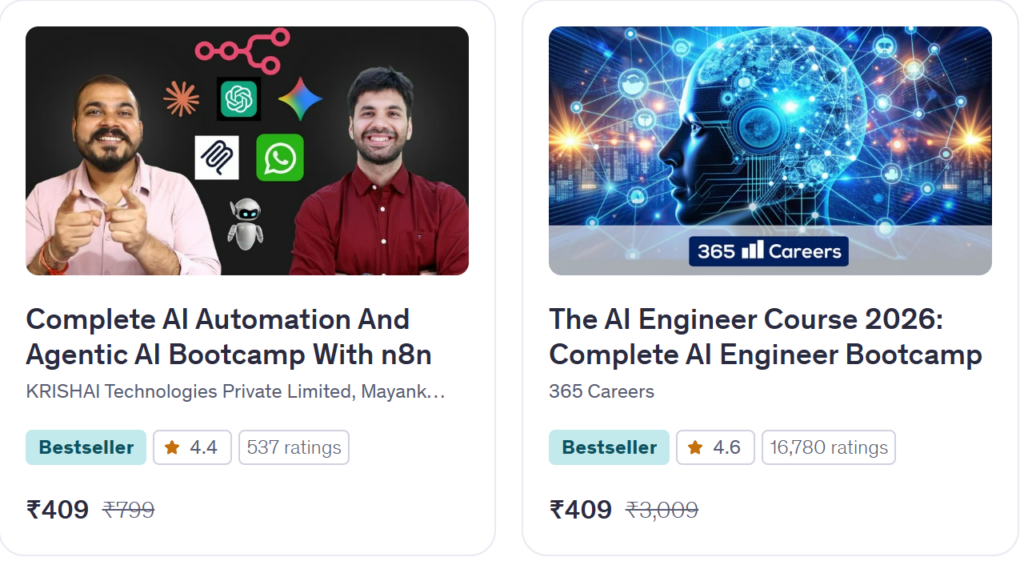
One of Udemy’s strengths lies in its community-driven ecosystem. Student reviews, ratings, and feedback significantly influence course visibility and enrollment decisions. Transparent reviews help learners assess instructor clarity, course depth, and practical value before purchasing.
Discussion forums also encourage peer interaction. Students can ask questions, share project outcomes, and exchange insights. Instructors often respond directly, clarifying concepts or expanding on challenging topics. This collaborative learning atmosphere enhances engagement beyond video lectures.
Peer-driven validation builds trust within the marketplace model. High-rated courses frequently maintain strong enrollment momentum due to positive learner experiences.
Udemy and the Gig Economy
The growth of freelancing and remote work has reshaped professional development needs. Many freelancers rely on Udemy to learn high-demand skills such as graphic design tools, website development, SEO strategies, video editing, or digital advertising techniques.
For gig workers, rapid skill acquisition can directly translate into increased income potential. Instead of enrolling in lengthy academic programs, freelancers can learn a specific tool or technique and apply it immediately in client projects. This direct connection between learning and earning strengthens Udemy’s appeal in entrepreneurial communities.
As digital platforms continue expanding freelance opportunities, accessible skill-based education remains crucial.
Continuous Updates and Industry Relevance
Technology evolves rapidly, and outdated training quickly loses value. Successful Udemy instructors frequently update courses to reflect new software versions, algorithm changes, or industry best practices. This ongoing refinement keeps learning materials relevant and competitive.
Learners benefit from version updates without additional cost in most cases, maintaining long-term value from their initial purchase. The dynamic nature of the platform supports adaptability in fields like web development, digital marketing, cybersecurity, and data science.
By encouraging instructors to refresh content regularly, Udemy sustains alignment with evolving industry standards.
The Long-Term Vision of Digital Learning

The expansion of online education suggests a permanent transformation in how people acquire knowledge. Flexible access, affordable pricing, and diverse subject offerings position Udemy as part of a broader global learning shift.
As artificial intelligence tools personalize recommendations and learning paths, digital platforms will likely become more adaptive and skill-oriented. Hybrid models combining online self-paced courses with mentorship or project-based collaboration may further enhance outcomes.
Udemy’s marketplace structure, global accessibility, and focus on practical skills reflect the direction education is heading — decentralized, flexible, and aligned with real-world applications.