


Udemy’s pricing structure is one of its most attractive features. Unlike subscription-only platforms, Udemy primarily operates on a per-course purchase model, allowing learners to pay once and retain lifetime access to the content. Frequent promotional discounts make courses highly affordable, enabling learners worldwide to access premium knowledge at competitive prices.
This flexible pricing strategy lowers financial barriers to education. Students, freelancers, and professionals from diverse economic backgrounds can invest in targeted skills without committing to expensive long-term programs. Additionally, instructors can offer free introductory courses, allowing learners to explore a subject before making a purchase decision.
Accessibility also extends to language diversity. Many courses are available in multiple languages or include subtitles, broadening reach across global markets. This inclusive model supports learners from different regions, educational backgrounds, and professional levels.
Certification and Career Impact
While Udemy certificates are not equivalent to university degrees, they still carry professional value. Completion certificates demonstrate initiative, continuous learning, and dedication to skill development — traits that employers increasingly appreciate in modern workplaces.
In fast-moving industries such as software development, digital marketing, and data analytics, practical knowledge often matters more than traditional credentials. Many professionals use Udemy courses to prepare for job transitions, promotions, freelance opportunities, or certification exams from recognized institutions.
The ability to showcase completed courses on professional profiles and resumes helps learners signal their commitment to growth. In competitive job markets, even incremental skill enhancements can create meaningful career advantages.
Course Quality and Review System
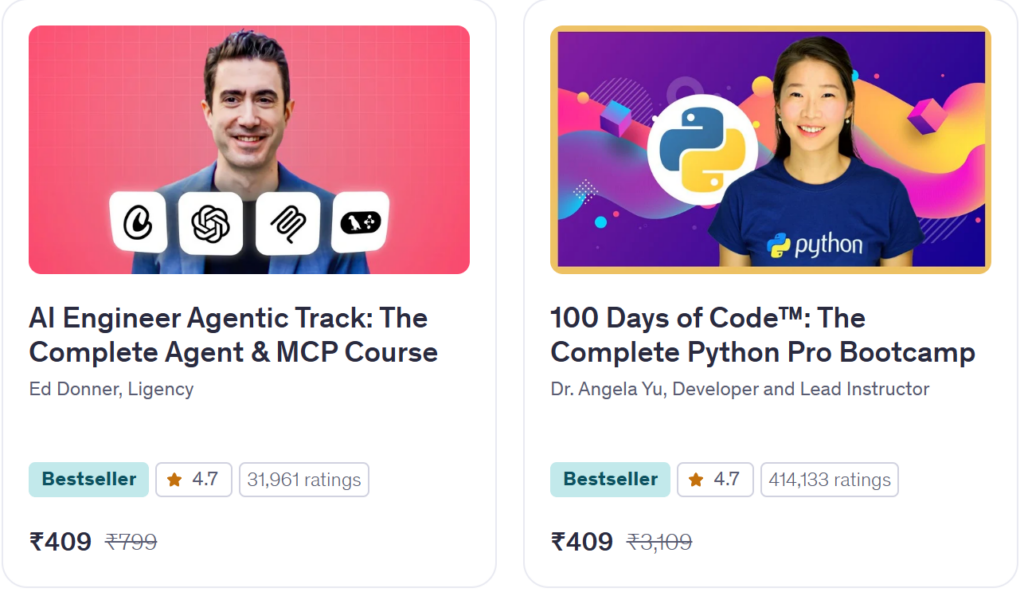
Because Udemy operates as an open marketplace, course quality can vary. To maintain transparency, the platform includes a robust rating and review system. Learners can evaluate courses based on clarity, depth, instructor engagement, and overall satisfaction.
Star ratings, written feedback, and enrollment numbers provide social proof and help new learners make informed decisions. Top-rated instructors often update their courses regularly to reflect industry changes, ensuring content remains relevant and competitive.
This feedback-driven ecosystem encourages continuous improvement. Instructors who actively respond to questions and refine course material tend to build stronger reputations, while lower-performing courses are naturally filtered by market dynamics.
Learning Strategies for Maximum Success
Self-paced learning offers flexibility, but it also requires discipline. To maximize outcomes on Udemy, learners benefit from structured study habits. Setting weekly goals, completing quizzes, and practicing through hands-on projects enhances retention.
Active learning techniques — such as taking notes, building real-world projects, and participating in course discussions — transform passive viewing into practical mastery. Many successful learners treat online courses like formal training programs, scheduling dedicated study time and applying new skills immediately.
Revisiting complex sections and downloading supplementary materials can further deepen understanding. Because lifetime access is typically included, learners can return to challenging modules whenever necessary.
Udemy Compared to Traditional Education
Traditional academic institutions provide structured curricula, accreditation, and formal degrees. However, they often require significant time and financial investment. Udemy offers a different value proposition: fast, targeted skill acquisition without lengthy enrollment processes.
For individuals seeking rapid upskilling — particularly in digital and creative fields — Udemy’s short-form, focused courses can be more practical than multi-year programs. The platform’s on-demand model suits professionals adapting to technological change or exploring side projects.
That said, Udemy does not replace formal education in fields requiring regulated credentials, such as medicine or law. Instead, it complements traditional pathways by offering flexible, skill-based training aligned with modern workforce demands.
The Growing Importance of Lifelong Learning
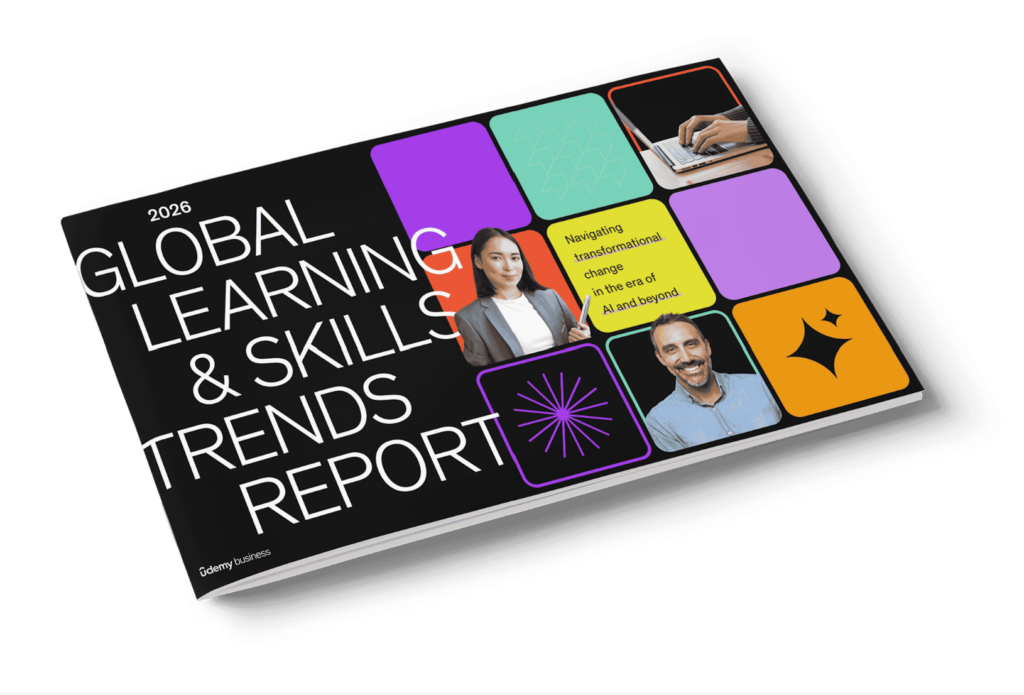
The global economy continues to evolve at an accelerated pace. Automation, artificial intelligence, and digital transformation are reshaping industries. In this environment, lifelong learning is no longer optional — it is essential.
Udemy positions itself as a facilitator of continuous growth. By allowing individuals to learn new tools, adapt to emerging technologies, and refine soft skills, the platform supports career resilience. Whether someone is transitioning into tech, launching an online business, or improving leadership capabilities, accessible learning opportunities help maintain professional relevance.
As remote work expands and digital collaboration increases, the ability to independently acquire skills becomes a competitive advantage. Udemy’s global reach and diverse catalog make it a key participant in the democratization of education.