

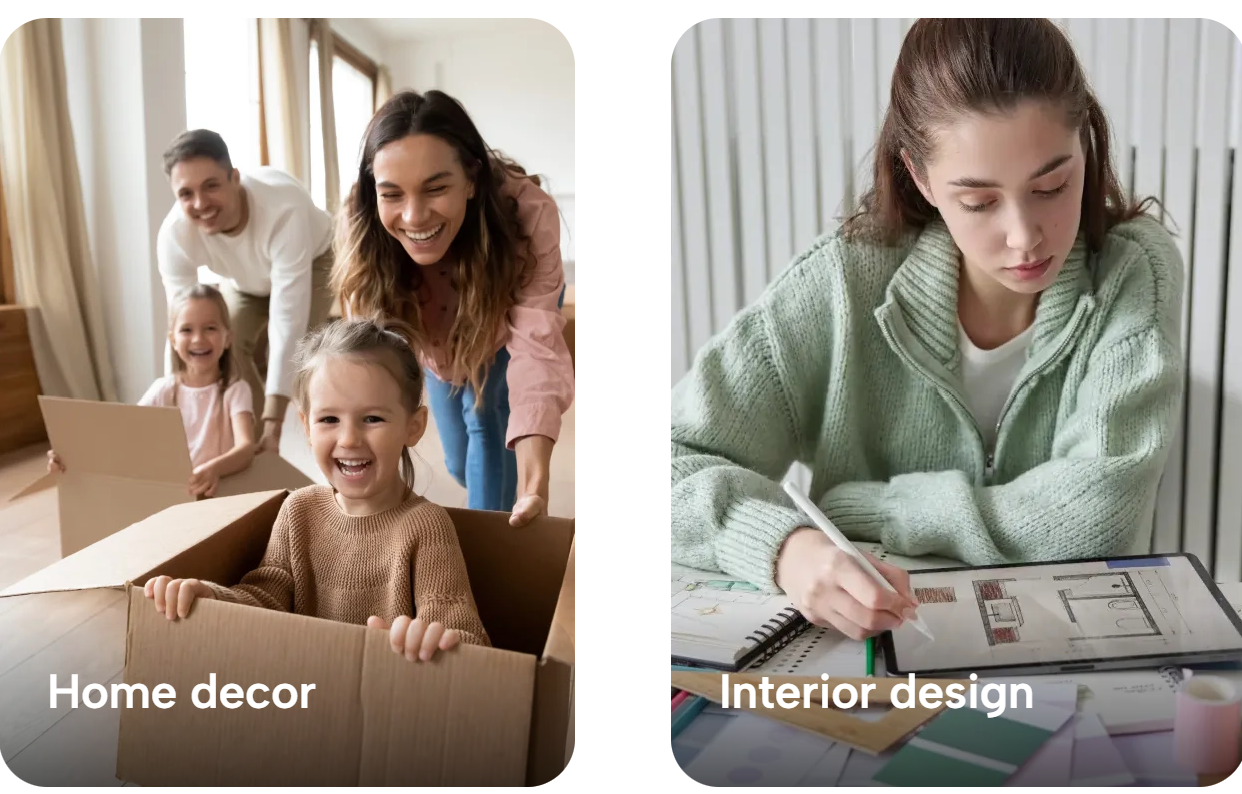
Designing a home is not purely a technical process; it is deeply connected to psychology and emotional well-being. Planner 5D allows users to experiment with spatial arrangements that influence mood, productivity, and comfort. The placement of furniture, the openness of a layout, and the harmony of colors all affect how a space feels.
Through digital visualization, users can explore how open spaces create a sense of freedom or how warm tones encourage relaxation. Rearranging furniture digitally makes it easier to identify layouts that promote better movement flow and social interaction. Instead of guessing how a room might feel once completed, individuals can preview emotional atmospheres before making permanent decisions.
This psychological dimension strengthens the platform’s relevance. Homes are not simply structures; they are environments where people work, rest, and connect with others. By enabling experimentation with layout and ambiance, Planner 5D supports more thoughtful and intentional design choices.
Integration with Modern Lifestyle Needs
Modern lifestyles demand flexibility. Homes often function as offices, gyms, classrooms, and entertainment centers simultaneously. Planner 5D reflects this shift by allowing users to design multifunctional spaces with ease. A spare bedroom can be converted into a hybrid workspace, or a living area can incorporate hidden storage to maintain organization.
The platform’s adaptability helps users respond to changing life circumstances. Growing families, remote work arrangements, and evolving aesthetic preferences all require interior adjustments over time. By offering a digital sandbox for experimentation, Planner 5D becomes a long-term companion rather than a one-time tool.
This flexibility aligns with the broader movement toward adaptable living environments. Furniture and layout planning are no longer static decisions; they evolve alongside daily routines and personal growth.
Precision and Measurement Accuracy
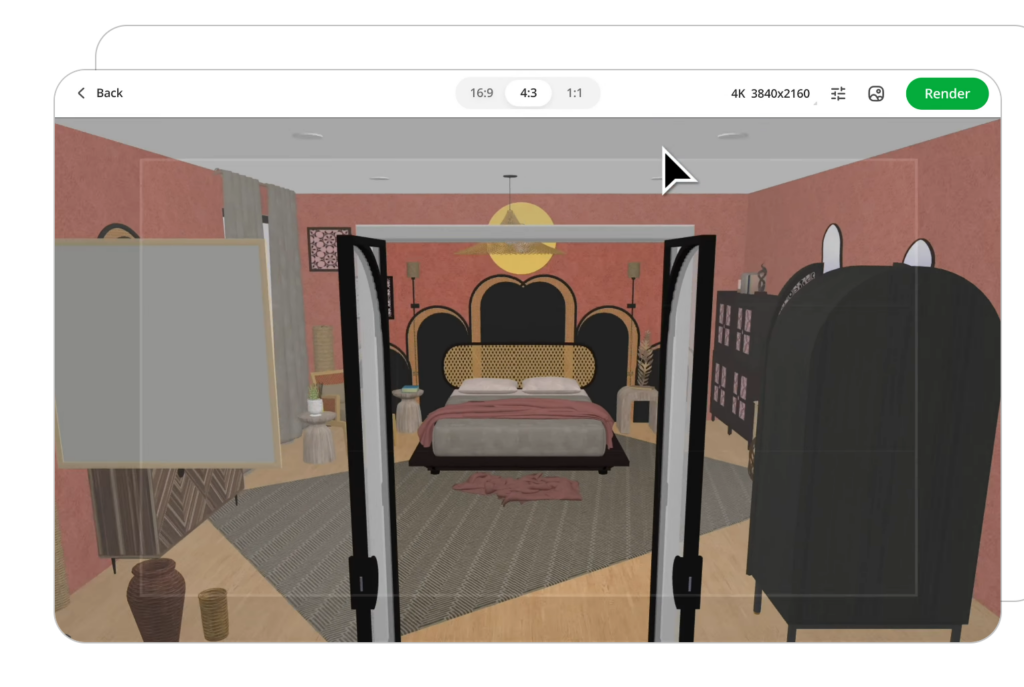
Accuracy is essential in any design project. A sofa that appears suitable on screen but fails to fit physically can disrupt an entire renovation plan. Planner 5D incorporates measurement tools that allow users to define exact dimensions for walls, doors, windows, and furniture.
By entering real-world measurements, users ensure that digital models mirror physical reality. This reduces risk and builds confidence before purchasing items or beginning construction work. The ability to visualize scale accurately is particularly important in smaller homes where space optimization is critical.
Precision transforms creativity into practical action. Without reliable measurements, even the most beautiful designs may encounter execution challenges. The platform’s measurement capabilities bridge the gap between imagination and implementation.
Encouraging Experimentation Without Risk
One of the most powerful aspects of digital design software is the freedom to experiment without financial consequences. In real-world renovations, mistakes can be costly and time-consuming. Planner 5D removes this fear by providing an environment where ideas can be tested, revised, and refined endlessly.
Users can try bold color schemes, unconventional layouts, or dramatic décor combinations without committing to purchases. If a concept does not work visually, it can be adjusted instantly. This encourages creativity and reduces hesitation.
Risk-free experimentation is particularly valuable for individuals who feel uncertain about their design instincts. By exploring different approaches digitally, users develop confidence and a clearer sense of personal style.
Digital Design as a Bridge Between Vision and Reality
Many homeowners struggle to communicate their ideas effectively. Describing a vision verbally often leaves room for misunderstanding. Planner 5D transforms abstract concepts into concrete visuals that others can easily interpret.
When sharing a completed 3D model, users present a tangible representation of their goals. Contractors, decorators, and family members can understand the intended layout immediately. This clarity reduces miscommunication and aligns expectations from the outset.
Digital visualization thus becomes a bridge between imagination and physical construction. It translates creative thoughts into actionable plans, increasing efficiency and reducing uncertainty throughout the renovation process.
The Long-Term Influence of Accessible Design Tools
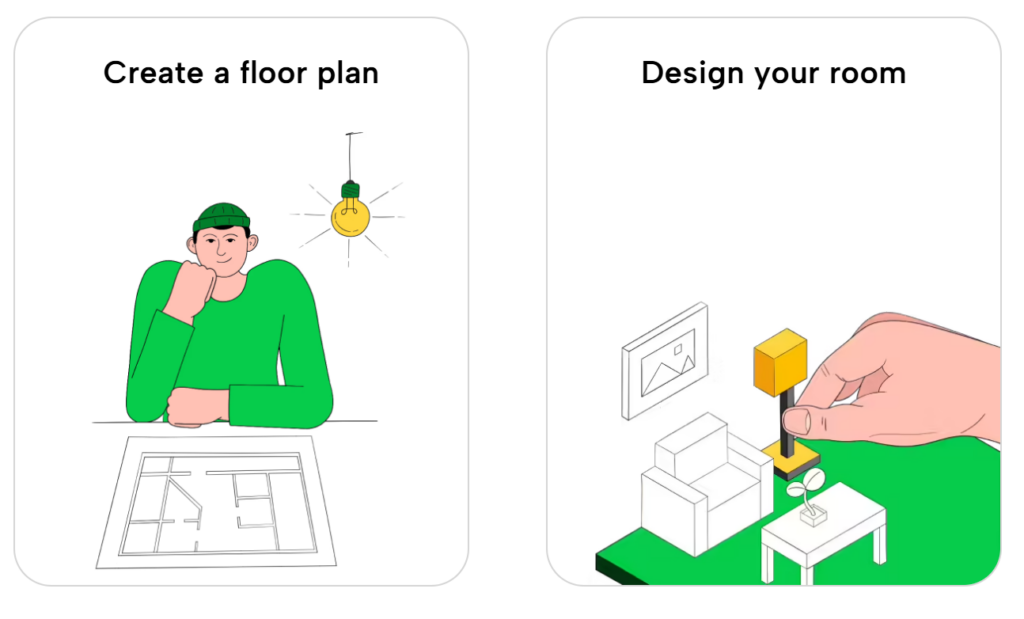
The accessibility of platforms like Planner 5D signals a broader shift in the creative industry. Technology continues to democratize design, enabling individuals without formal training to participate actively in shaping their environments. As digital literacy increases worldwide, such tools will likely become standard components of home improvement planning.
Future generations may view digital modeling as an essential first step in any interior project. Instead of relying solely on sketches or mood boards, interactive 3D planning could become the norm. Planner 5D stands at the forefront of this transition, blending ease of use with increasingly sophisticated features.
In the evolving landscape of home design, accessibility, visualization, and innovation converge. Planner 5D embodies this convergence by empowering users to design with clarity, precision, and creativity. Whether planning a minor room refresh or envisioning an entire property transformation, the platform continues to redefine how modern spaces are imagined and realized.