

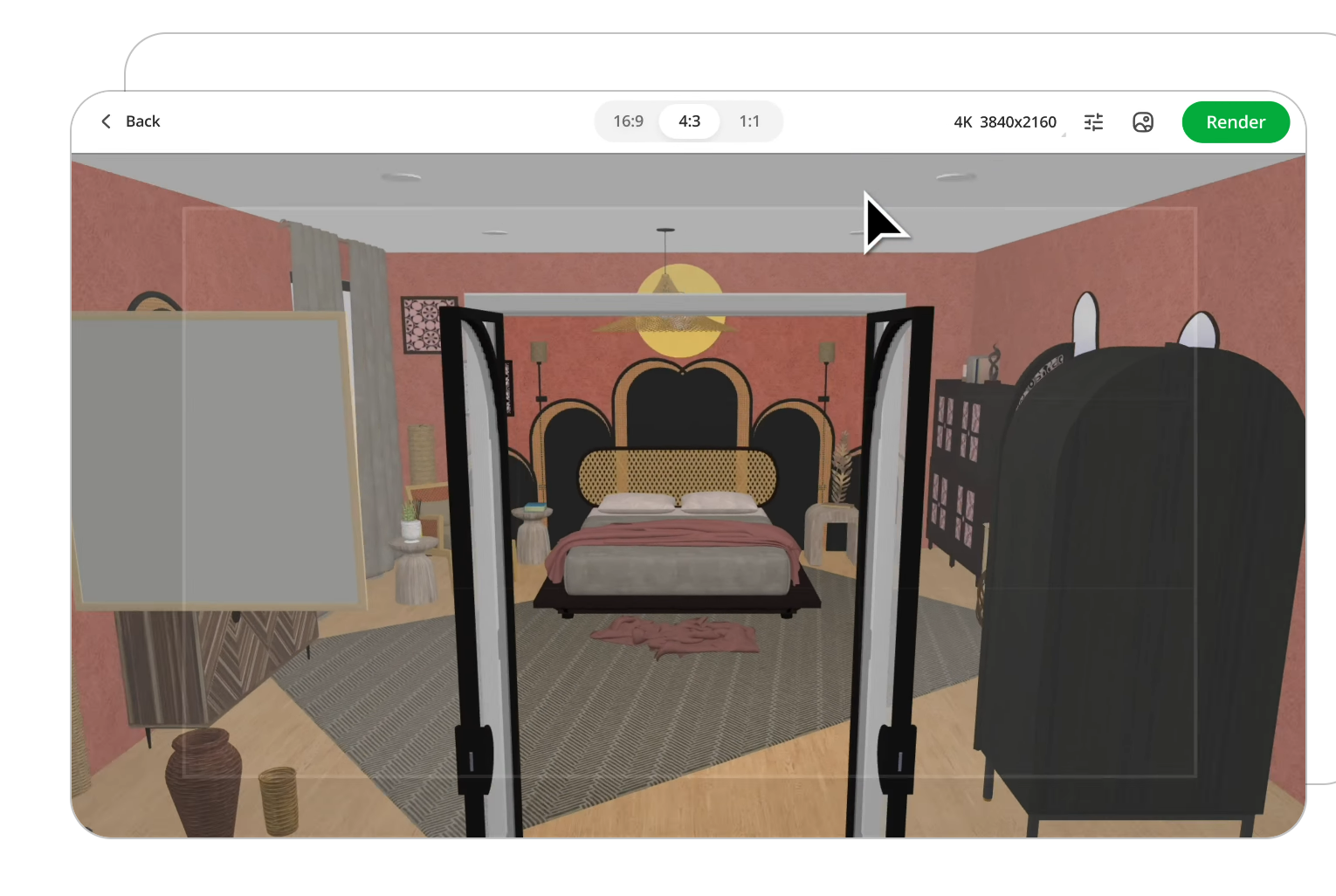
Renovation projects often involve multiple stages, from conceptual sketches to final implementation. Planner 5D simplifies this process by providing a structured yet flexible digital workspace where ideas can evolve gradually. Instead of relying solely on imagination or rough paper sketches, homeowners can build detailed digital representations of their spaces before any construction begins.
The platform allows precise measurement adjustments, ensuring that wall lengths, ceiling heights, and room proportions reflect reality. This accuracy becomes especially valuable when planning structural modifications, such as removing partitions, expanding living areas, or redesigning kitchens. By previewing these changes in 3D, users gain a clearer understanding of how new layouts will affect circulation and functionality.
Lighting simulation is another important feature during renovation planning. Natural and artificial light dramatically influence how materials and colors appear. Planner 5D’s rendering system enables users to observe how different lighting conditions impact their chosen design elements. This reduces guesswork and helps create more cohesive final results.
Enhancing Communication Between Clients and Professionals
Clear communication is one of the most critical elements in successful design and construction projects. Misunderstandings between clients, designers, and contractors can lead to delays and budget overruns. Planner 5D addresses this challenge by providing a visual language that all parties can easily interpret.
Instead of explaining ideas verbally or through abstract sketches, clients can present fully rendered digital models. Designers can make adjustments in real time, demonstrating alternative layouts or décor options instantly. Contractors benefit from clear spatial references that reduce ambiguity during implementation.
This shared visual framework improves collaboration. Everyone involved in the project can align expectations before physical work begins. The result is a smoother workflow, greater transparency, and improved overall satisfaction.
Accessibility for Non-Technical Users
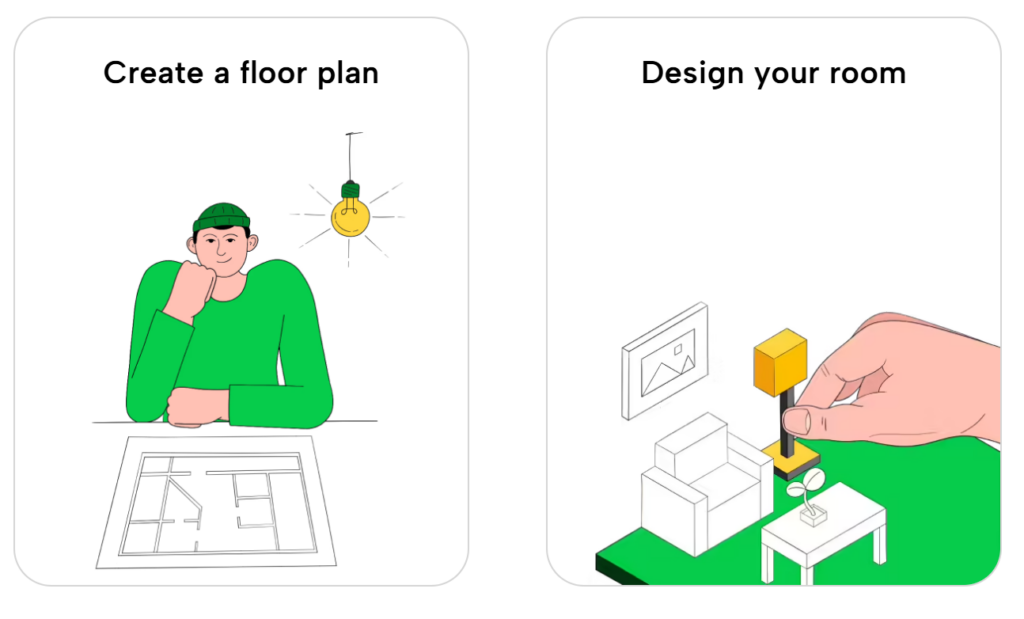
Traditional architectural software often requires formal training and technical expertise. Planner 5D removes these barriers by prioritizing accessibility. The interface avoids complex command lines or specialized terminology, making it approachable for individuals without professional design backgrounds.
Even users who have never worked with digital design tools can quickly understand the basic functions. Walls are drawn through intuitive gestures, furniture is placed through simple dragging motions, and adjustments can be made with clear on-screen controls. This inclusivity broadens the platform’s audience, enabling creative exploration regardless of experience level.
Accessibility also extends to language and global reach. By serving users worldwide, the platform demonstrates how digital tools can bridge geographical and cultural boundaries in creative industries.
Visualization as a Decision-Making Tool
Decision fatigue is common during home design projects. With countless furniture options, color palettes, and layout possibilities, homeowners often struggle to commit to final choices. Planner 5D reduces this uncertainty by allowing rapid comparison of alternatives within the same digital environment.
For example, users can duplicate a room layout and experiment with different styles side by side. A minimalist white interior can be compared with a darker, more dramatic aesthetic. Flooring materials, wall treatments, and furniture arrangements can all be evaluated visually before selecting the most appealing combination.
This capacity for comparison transforms visualization into a strategic decision-making tool. Rather than relying on imagination alone, users can base choices on realistic previews, minimizing regret and enhancing satisfaction.
Impact on the Growing DIY Design Movement
The rise of do-it-yourself culture has reshaped the home improvement industry. More homeowners are taking active roles in decorating and renovating their spaces. Digital platforms like Planner 5D align perfectly with this movement by offering professional-level visualization tools without professional-level complexity.
DIY enthusiasts can experiment freely, test creative ideas, and refine plans independently before seeking expert assistance. This empowerment fosters confidence and encourages innovation. Instead of feeling dependent on specialists from the start, users can approach professionals with clear visions and prepared layouts.
The accessibility of design software reflects a broader democratization of creative industries. Tools that were once limited to architects and designers are now available to anyone with internet access, expanding opportunities for self-expression.
Looking Toward a Smarter Design Ecosystem

As smart home technologies continue to expand, the integration of design software with connected systems may become increasingly important. Future updates to platforms like Planner 5D could incorporate planning features for smart lighting, automated blinds, or energy-efficient layouts.
Data-driven insights may also enhance sustainability planning. Imagine software that suggests optimal window placement for natural lighting efficiency or recommends materials based on environmental impact. Such advancements would merge creativity with responsibility, guiding users toward more conscious design decisions.
Ultimately, Planner 5D represents more than a design tool. It symbolizes a shift in how people interact with their living environments. By combining intuitive technology, advanced visualization, and accessible design principles, it empowers individuals to shape their spaces with clarity and confidence.