

Deliveroo has become one of the most recognizable names in the global food delivery landscape, reshaping how millions of people access restaurant meals from the comfort of home or office. Launched in London in 2013 by Will Shu and Greg Orlowski, Deliveroo set out to solve a simple but powerful problem: making high-quality restaurant food available on demand without requiring customers to leave their doorstep. What began as a local London startup has since expanded into a major international platform, operating across Europe, the Middle East, Asia, and Australia.
Deliveroo’s rise reflects broader trends in urban living, where convenience, speed, and digital experiences increasingly define consumer expectations. The company’s app connects users with a wide range of eateries — from local favorites to premium restaurants — and delivers orders through a network of independent riders. By focusing on both technology and logistics, Deliveroo has enabled restaurants without their own delivery services to reach new customers while giving consumers unparalleled choice and convenience.
The Deliveroo Platform: How It Works
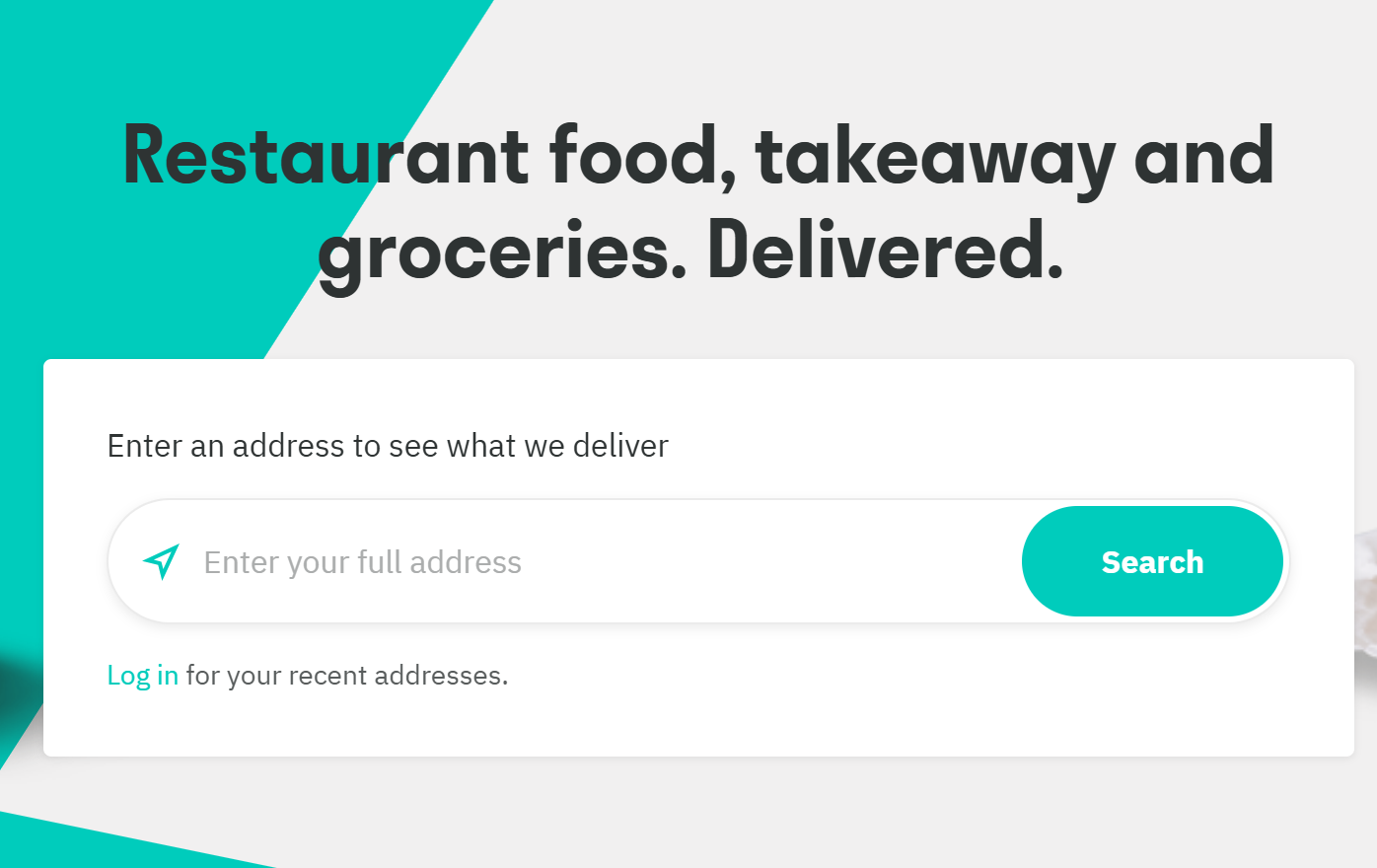
At its core, Deliveroo functions as a marketplace that brings together three groups: customers, restaurants, and riders. Users download the Deliveroo app or visit the website, enter their address, and browse available restaurants and menus in real time. The platform displays estimated delivery times, pricing, and meal options, enabling customers to make informed choices before placing an order.
Once an order is confirmed, the selected restaurant begins preparation while the Deliveroo system assigns a nearby rider to collect the food. Riders use the Deliveroo app to navigate to the restaurant and then to the delivery destination, often using bicycles, scooters, or motorbikes. Real-time tracking allows customers to follow the progress of their order from preparation to arrival.
This seamless flow — from order placement to doorstep delivery — is built on sophisticated algorithms that balance speed, efficiency, and rider availability. Deliveroo’s technology also learns from demand patterns, helping the platform anticipate busy periods and optimize delivery assignments.
Deliveroo Partnerships and Restaurant Expansion
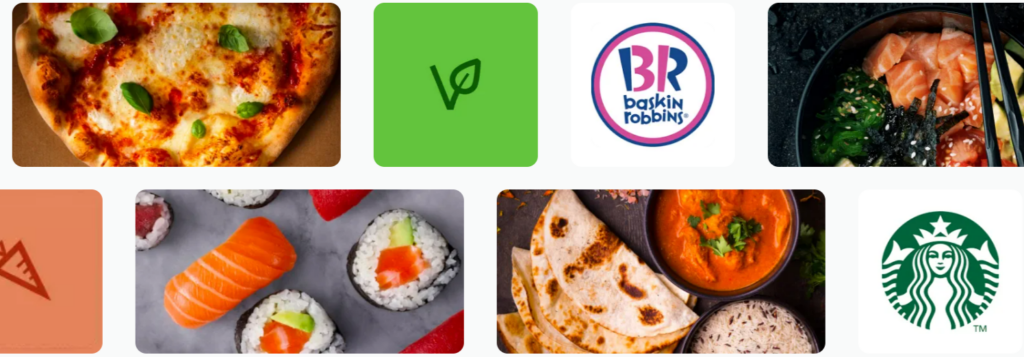
One of Deliveroo’s key strengths is its ability to partner with a wide variety of restaurants, ranging from small independent cafés to large national chains. Many eateries that have never offered delivery services found a new revenue stream once they joined Deliveroo’s platform. For smaller restaurants, Deliveroo provided access to a broader customer base without the complexity of managing their own delivery fleet.
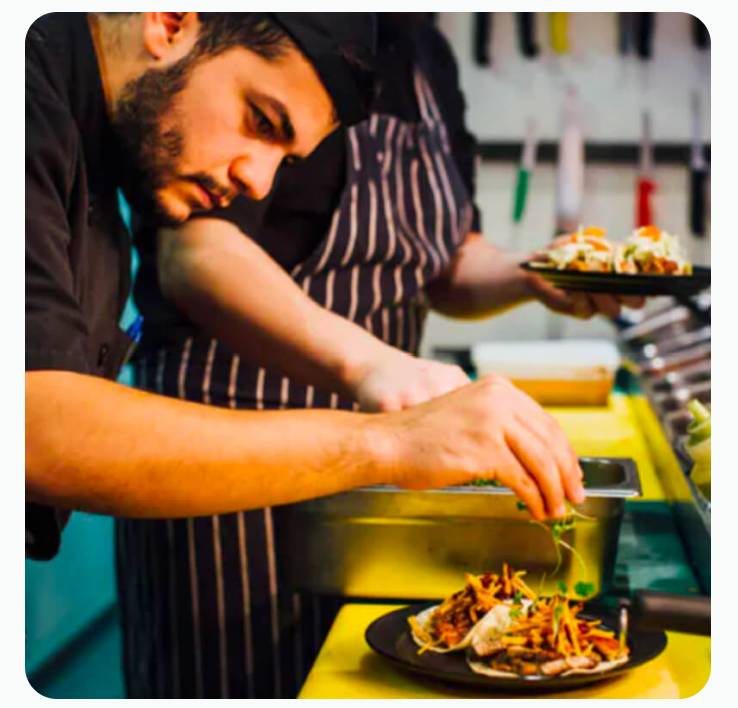
Deliveroo also launched Deliveroo Editions, a model that enables restaurants to operate delivery-only kitchens in strategic locations. These kitchens serve multiple brands or menus, improving delivery speed and geographic coverage without the need for traditional dining space. This approach helps restaurants expand their footprint while reducing overhead costs associated with physical storefronts.
By investing in data-driven logistics and operational support, Deliveroo has helped reshape the marketplace for restaurants and food vendors, democratizing access to delivery and enabling new business models in the industry.
User Experience and Technological Innovation
Deliveroo’s mobile app and digital infrastructure are central to its appeal. The platform’s user interface is designed to be intuitive, visually appealing, and fast. Customers can filter options by cuisine type, price range, delivery time, or dietary preferences, making it easy to discover new eateries or reorder favorite meals.
Real-time tracking, push notifications, and estimated arrival times enhance transparency and reduce uncertainty. Some users appreciate the ability to schedule orders in advance, making Deliveroo useful not only for last-minute cravings but also for planning meals around daily routines or events.
Deliveroo continually refines its algorithms to improve efficiency. Machine learning and predictive analytics help forecast demand spikes based on time of day, weather, local events, or historical patterns. This intelligence supports better resource allocation and more reliable delivery windows, ultimately creating a smoother user experience.
Deliveroo Riders and the Gig Economy
Deliveroo operates with a network of delivery riders who are typically classified as independent contractors rather than employees. This gig economy model allows riders flexibility in choosing when and where they work, which many appreciate as a source of supplementary income or flexible scheduling. Riders use the Deliveroo app to accept or decline delivery tasks, navigate routes, and track earnings.
However, this model has also sparked debates and legal discussions in several countries regarding worker rights, benefits, and classification. As with other gig economy platforms, questions around pay rates, job security, insurance, and employment protections have led to regulatory scrutiny and policy evolution in different regions.
Deliveroo has responded in part by offering rider support features, incentives, and safety resources, while also participating in ongoing conversations about the future of work and worker protections in a digital economy.
Deliveroo’s Global Expansion and Market Challenges
Deliveroo’s international growth has been rapid, but not without challenges. While the platform enjoys strong adoption in densely populated urban centers where food delivery demand is highest, competition from other food delivery services such as Uber Eats, DoorDash, Just Eat, and local market players has intensified.
Regulatory environments also vary by country, affecting how food delivery platforms operate. Local laws impacting worker classification, digital payments, food safety, and business licensing require ongoing adaptation and compliance efforts. Deliveroo’s ability to customize its operations to regional conditions has been key to maintaining relevance in diverse markets.
The COVID-19 pandemic accelerated demand for food delivery in many regions, as consumers turned to digital ordering during lockdowns and social distancing measures. While pandemic-related demand has since stabilized in some locations, the overall shift toward digital food delivery appears durable as part of broader changes in consumer behavior.
The Future of Deliveroo and the Digital Food Economy
Deliveroo continues to evolve with a focus on innovation, efficiency, and expanded services. Beyond restaurant delivery, the platform has explored grocery partnerships, convenience goods delivery, and collaborations with retail brands to provide broader on-demand offerings. These expansions position Deliveroo as more than just a meal delivery service; it aims to be a comprehensive delivery solution for urban consumers.
Investment in sustainability has also become increasingly central. As cities grapple with environmental concerns, Deliveroo has introduced initiatives around greener packaging, consolidated deliveries, and support for eco-friendly transportation options.
Looking ahead, Deliveroo’s strategy likely includes deeper integration of data analytics, personalized recommendations, and expanded marketplace services. The company’s position at the intersection of technology and urban lifestyle reflects a broader shift toward digital convenience in everyday life.
Deliveroo’s journey from a London startup to a multinational food delivery platform illustrates how digital innovation reshapes industries and consumer behavior. By connecting people with local food culture, empowering restaurants, and leveraging logistical intelligence, Deliveroo remains a defining force in the global food delivery ecosystem.