


Gillette has long positioned itself not just as a razor manufacturer but as a technology-driven grooming brand grounded in research and engineering. Behind every blade release is extensive laboratory testing focused on hair density, skin sensitivity, blade angle optimization, and lubrication performance. Human facial hair is surprisingly tough—often compared to the strength of copper wire of similar thickness—which is why blade sharpness, coating material, and spacing between blades are critical in product development.
Gillette engineers design blades with ultra-thin edges and advanced coatings to reduce drag and maintain sharpness over multiple uses. Precision alignment allows each blade in a cartridge system to cut progressively closer while minimizing pulling. Lubrication strips infused with conditioning ingredients help reduce friction, especially for those prone to razor burn. These scientific refinements demonstrate how Gillette approaches shaving as both a daily habit and a technical performance challenge.
Continuous research ensures that even small design upgrades—such as pivoting heads or improved grip handles—contribute to better control and comfort. By blending ergonomics with materials innovation, Gillette has maintained its reputation for technical leadership in the shaving industry.
Gillette Product Lines and Consumer Segmentation
Gillette’s product portfolio spans several distinct categories designed to meet different grooming needs. Cartridge razors remain the brand’s flagship offering, with multi-blade systems aimed at delivering close and comfortable shaves. Disposable razors offer convenience for travel or occasional use, while precision trimmers cater to detailed facial styling.
Shaving gels, foams, and creams complement razor systems by softening hair and hydrating skin before each shave. Aftershave balms and moisturizers address post-shave sensitivity, helping to soothe irritation and restore hydration. By providing a complete shaving routine, Gillette positions itself as a holistic grooming solution rather than a single-product brand.
Consumer segmentation also plays a strategic role. Some product lines are designed for first-time shavers or younger audiences, offering simplicity and affordability. Others target users seeking premium experiences with enhanced blade technology and skin comfort features. This tiered structure allows Gillette to serve a wide demographic spectrum while maintaining consistent brand identity.
Gillette and Changing Grooming Culture
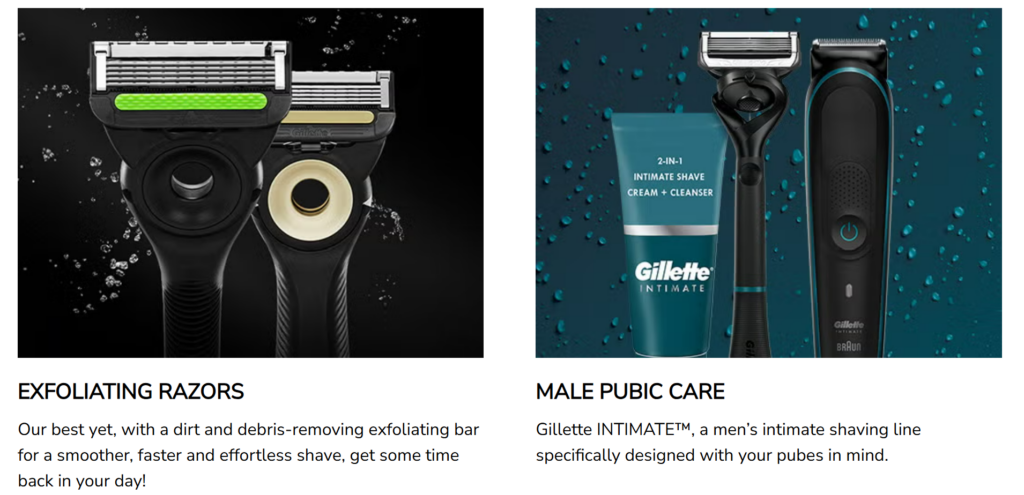
Over the decades, grooming has evolved from a purely functional routine into an expression of identity. Clean-shaven looks, stubble styles, full beards, and sculpted facial hair all coexist in modern fashion. Gillette has adapted to these shifting trends by offering tools that support different grooming preferences rather than enforcing one ideal standard.
Campaign messaging has also evolved. Earlier advertisements emphasized strength and precision, often aligning shaving with traditional masculinity. More recent campaigns have broadened the conversation to include self-care, confidence, and social responsibility. This evolution reflects a growing understanding that grooming is personal and diverse.
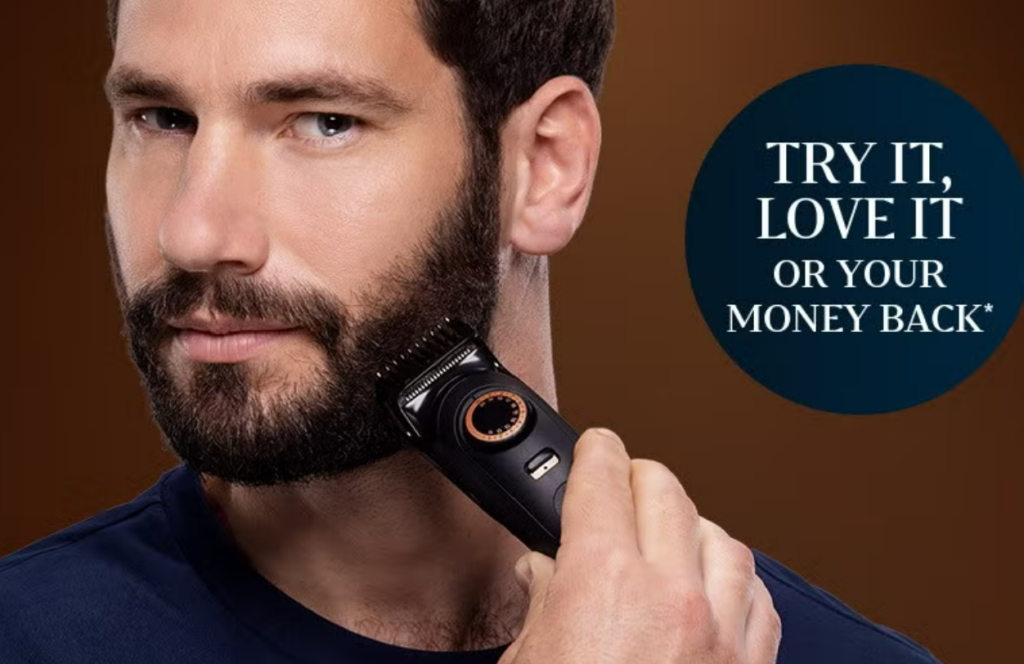
The rise of beard culture presented both challenges and opportunities. While some consumers reduced shaving frequency, many still rely on razors for neckline cleanup and precision detailing. Gillette’s integration of trimmers and styling tools demonstrates its responsiveness to these lifestyle changes.
Gillette in the Digital Age and E-Commerce Expansion
Digital transformation has reshaped how consumers discover and purchase grooming products. Online reviews, comparison videos, and subscription models influence buying behavior. Gillette has embraced e-commerce by offering direct-to-consumer sales, bundle packages, and subscription refill options in select markets.
Subscription models address a common consumer need: ensuring fresh blades are available when required. Automatic delivery services reduce the inconvenience of last-minute purchases and build long-term customer loyalty. Digital marketing campaigns, influencer partnerships, and social media engagement help Gillette maintain relevance among younger demographics.
Additionally, virtual product guides and skin-type recommendations enhance the online shopping experience. By merging digital convenience with its established retail presence, Gillette strengthens its competitive positioning in a crowded grooming market.
Sustainability, Recycling, and Environmental Responsibility
Environmental awareness has influenced consumer expectations across industries, including grooming. Traditional razor cartridges contain mixed materials, which can complicate recycling processes. Gillette has introduced blade recycling initiatives in partnership with specialized recycling organizations in certain regions. These programs allow consumers to send used blades and cartridges for proper processing.
Packaging innovation has also become a focus. Efforts to reduce plastic usage and increase recyclable content reflect a broader sustainability strategy. While disposable razors inherently generate waste, incremental improvements in durability and material selection contribute to reduced environmental impact over time.
Consumers increasingly value brands that demonstrate accountability. Gillette’s public commitments to improving sustainability signal recognition of this shift. Although challenges remain, ongoing innovation in material science may further reshape razor design in the years ahead.
The Future of Gillette in a Competitive Grooming Market
The grooming industry continues to diversify with the rise of niche brands, subscription startups, and electric shaving alternatives. To remain competitive, Gillette leverages its heritage of innovation while adapting to modern expectations. Research into advanced coatings, ergonomic refinements, and skin-sensitive formulations will likely remain central to future product development.
Personalization may also define the next phase of growth. Tailored shaving kits based on skin type, hair density, and grooming frequency could enhance customer satisfaction. Integration of smart technology—such as connected grooming devices or data-driven recommendations—may further modernize the shaving experience.
Despite competition, Gillette retains a powerful advantage: brand recognition built over more than a century. Generations of consumers associate the name with reliability and performance. By balancing innovation, sustainability, and evolving cultural awareness, Gillette continues to shape the daily ritual of shaving for millions worldwide.
From its revolutionary safety razor origins to its modern multi-blade systems and digital engagement strategies, Gillette exemplifies how a legacy brand can evolve alongside technological, cultural, and environmental changes.