

Gillette is one of the most iconic names in male grooming, widely known for transforming the way millions of people shave. Founded in 1901 by King C. Gillette along with William Emery Nickerson, Gillette introduced the concept of disposable safety razor blades — a revolutionary idea at a time when straight razors were the norm. The brand’s early focus on refining cutting technology helped spark a shift in daily grooming habits around the world.
Over more than a century, Gillette has grown from a single product into a global grooming powerhouse. Its razor systems, blades, shaving gels, foams, and aftershaves have become staples in bathrooms across continents. The company’s success is built on continuous innovation, a deep understanding of consumer needs, and branding that emphasizes reliability and performance. Gillette’s influence extends beyond product sales; it has shaped cultural perceptions of personal care and modern masculinity.
The Rise of the Safety Razor and Gillette’s Early Impact
At the beginning of the 20th century, daily shaving was a ritual that involved using straight razors, requiring skill and presenting real risks of cuts. King C. Gillette recognized an opportunity to create razor blades that were both safe and disposable. Instead of sharpening a blade repeatedly, users could simply replace it. This innovation dramatically improved convenience and accessibility, effectively democratizing shaving.
Gillette’s early success catalyzed a shift in male grooming habits. Rather than relying on barbers or specialized tools, men could shave at home with confidence. The company’s patented safety razor blades became a defining symbol of modern personal grooming. Through the decades, Gillette expanded its range to include travel razors, double-edge blades, and accessories that supported a growing demand for comfortable and dependable shaving solutions.
Technological Advancements in Shaving and Product Development
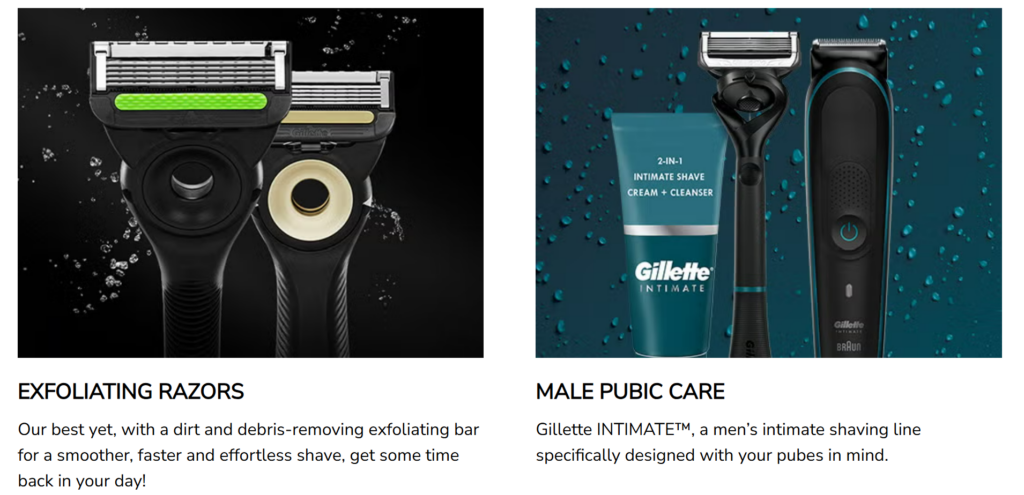
One of Gillette’s core strengths has always been innovation. Starting with the original safety razor, Gillette continued to refine blade geometry, lubrication strips, and ergonomic design elements across product generations. The Gillette Mach3, introduced in the late 1990s, was among the first multi-blade razor systems marketed broadly, promising fewer strokes and reduced irritation. Later, the Gillette Fusion series extended the concept with more blades, precision trimmers, and enhanced comfort features.
Shaving formulations also evolved alongside razors. Gillette introduced gels, creams, and foams designed to hydrate facial hair, minimize friction, and protect skin. These formulations enhanced the shaving experience, particularly for those with sensitive skin. By pairing advanced razors with supportive skincare products, Gillette established a comprehensive grooming ecosystem rather than merely selling individual tools.
The brand’s research and development efforts have often involved deep user insights. Gillette has invested in understanding how facial hair grows, how skin responds to different pressures, and how shaving habits vary across regions. These insights translate into design choices that differentiate products by performance and comfort.
Gillette Marketing, Cultural Influence, and Brand Reach
Over its history, Gillette has cultivated a strong global presence through memorable marketing and strategic branding. Early advertising emphasized the practicality and safety of disposable blades. In later decades, campaigns focused on precision, performance, and confidence — positioning Gillette products as tools that enable men to look and feel their best.
Gillette’s tagline “The Best a Man Can Get,” introduced in the late 1980s, became one of the most iconic slogans in consumer marketing. It resonated with audiences by linking grooming to personal pride and self-expression. Through television commercials, sponsorships, and athlete endorsements, Gillette reinforced its message across diverse markets.
The brand’s cultural impact extends beyond advertising. Gillette has played a role in conversations about masculinity and self-care. While some campaigns emphasized traditional ideals, others addressed evolving notions of modern manhood and inclusivity. This willingness to engage with broader cultural themes reflects Gillette’s attempt to remain relevant amid shifting social perspectives.
Shaving Trends and Consumer Expectations
Consumer expectations around shaving have changed significantly over time. In earlier decades, the focus was primarily on efficiency and safety. As personal care routines diversified, comfort, skin health, and convenience became equally important. Gillette responded by offering products that emphasize reduced irritation, smoother glides, and skin protection features.
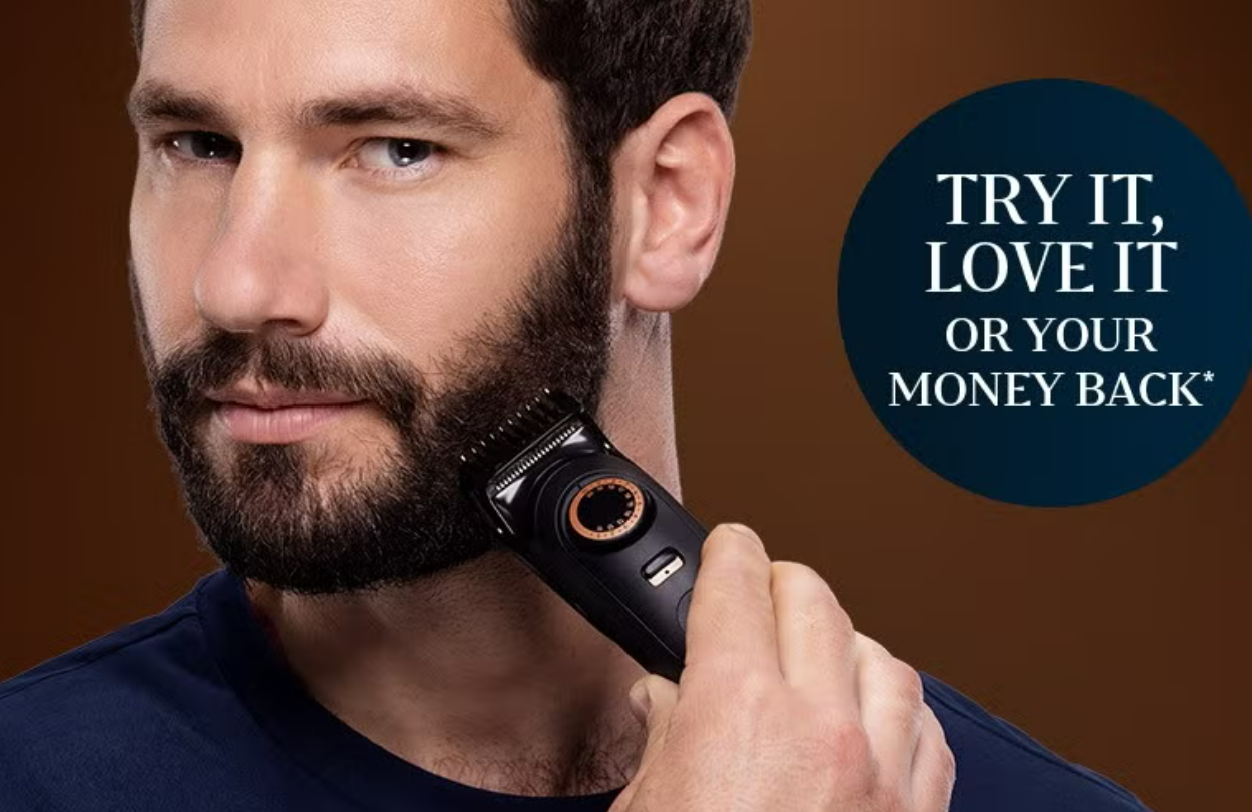
At the same time, the rise of electric shavers, beard trimming trends, and varied facial hair styles expanded grooming categories beyond traditional wet shaving. While razor sales remained central to Gillette’s business, the company also acknowledged adjacent markets. Trimmers, precision tools, and grooming kits reflect a broader approach to male grooming needs.
Digital lifestyle shifts have also influenced consumer behavior. Online tutorials, grooming communities, and product comparison platforms empower buyers to research before purchase. Gillette’s online presence, from e-commerce platforms to social media engagement, helps the brand maintain visibility in an increasingly competitive landscape.
Gillette’s Sustainability Initiatives and Future Direction

In recent years, sustainability has emerged as a key consideration across consumer industries, and Gillette has taken steps to address environmental concerns. Razor blades and packaging contribute to waste challenges, so the company has explored recycling programs and materials innovation. Partnerships with recycling initiatives provide options for disposing of used blades responsibly, addressing a growing demand for sustainable products.
Packaging redesigns have aimed to reduce plastic use and optimize material efficiency. Gillette also highlights lifecycle thinking in product development, considering how materials, manufacturing processes, and end-of-life disposal impact environmental outcomes.
Looking forward, Gillette’s evolution will likely balance innovation, consumer expectations, and responsible practices. Continued research in materials science, digital customization tools, and expanded grooming categories may define the brand’s next phase. As grooming becomes more personalized and inclusive, Gillette’s strategies will reflect both tradition and transformation.
Gillette’s journey from a safety razor pioneer to a global grooming institution illustrates the power of innovation, brand identity, and responsiveness to cultural and consumer trends. Through more than a century of product evolution and market adaptation, Gillette remains a central player in the conversation about personal grooming and daily ritual — a testament to its enduring influence in the lives of consumers globally.