

In the world of consumer electronics and home appliances, few brands have achieved the level of recognition, trust, and innovation associated with Dyson. Known for its cutting-edge engineering, sleek design, and relentless focus on solving everyday problems, Dyson has transformed how people think about cleaning, air quality, hair care, and even lighting. What began as a mission to reinvent the vacuum cleaner has evolved into a global technology company that continues to push boundaries across multiple product categories.
This in-depth look at Dyson explores the brand’s journey, its commitment to innovation, and how its products are reshaping modern living.
The Origins of Dyson: From Frustration to Breakthrough
Dyson’s story began with a simple frustration. James Dyson, the company’s founder, was dissatisfied with the performance of traditional vacuum cleaners that relied on bags, which often clogged and lost suction. Determined to find a better solution, he spent years developing a new type of vacuum technology based on cyclonic separation, a method used in industrial sawmills.
After thousands of prototypes and persistent rejection from established manufacturers, James Dyson launched his own company. The result was the world’s first bagless vacuum cleaner that maintained powerful suction. This breakthrough not only changed the vacuum cleaner industry but also set the tone for Dyson’s future: identify a problem, question conventional solutions, and engineer something better.
A Culture of Engineering and Research
At the heart of Dyson’s success is a deep commitment to research and development. Unlike many consumer brands that rely heavily on marketing, Dyson invests heavily in engineering talent, laboratories, and long-term innovation. Engineers, scientists, and designers work together to create products that are not just stylish, but fundamentally different in how they work.
Dyson’s philosophy centers on understanding airflow, motor efficiency, filtration, and material science. This focus has led to the development of proprietary technologies such as high-speed digital motors, advanced filtration systems, and intelligent sensors. These innovations are not limited to one product line, but are applied across vacuums, air purifiers, fans, hair tools, and more.
Revolutionizing Vacuum Cleaning
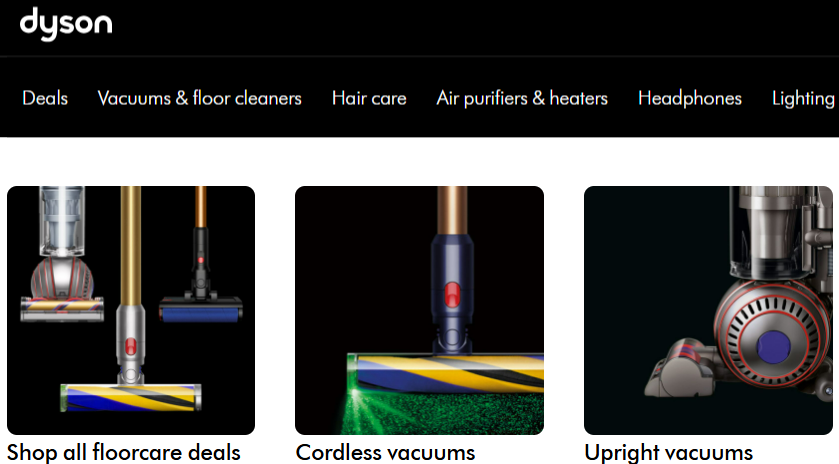
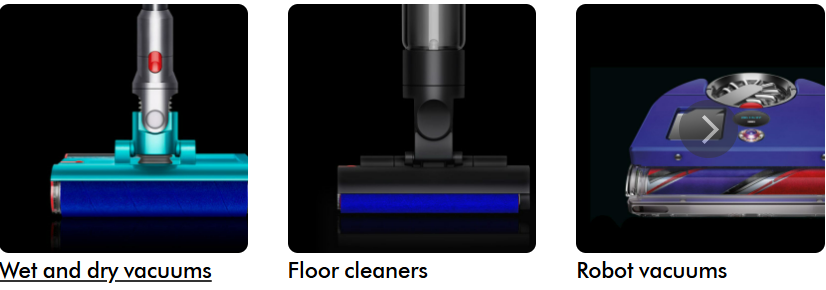
Dyson is perhaps best known for its vacuum cleaners, and for good reason. The company’s cordless stick vacuums, upright models, and handheld units have set new standards for performance and convenience.
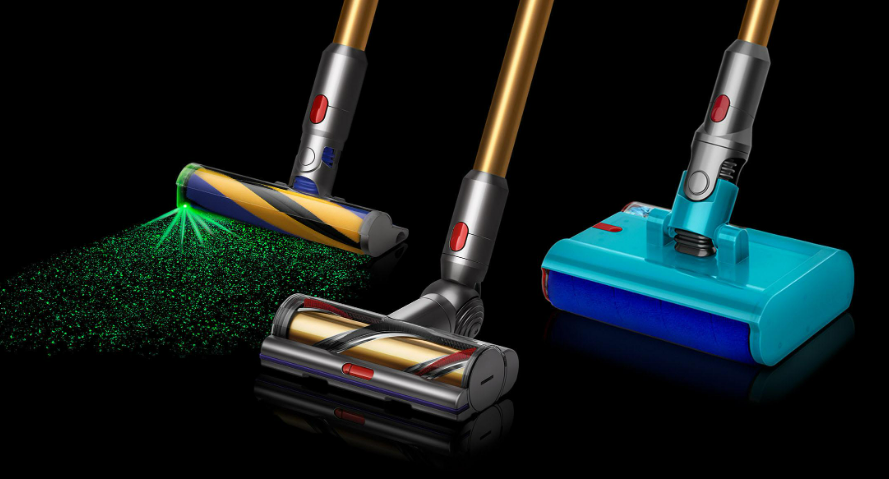
Cordless technology, in particular, has been a major game changer. Dyson’s cordless vacuums offer powerful suction without the restriction of a power cord, making it easier to clean stairs, cars, and hard-to-reach areas. Lightweight designs, advanced brush heads, and smart sensors that adjust power based on floor type all contribute to a more efficient and user-friendly cleaning experience.
Dyson also places strong emphasis on filtration. Many of its vacuums are designed to capture microscopic particles and allergens, helping to improve indoor air quality while cleaning. This makes them especially appealing to households with allergies, pets, or high sensitivity to dust.
Improving Air Quality with Purifiers and Fans
Beyond cleaning floors, Dyson has expanded into air treatment, offering a range of air purifiers, fans, and heater-fan combinations. These products are designed to not only circulate air but also actively clean it.
Dyson air purifiers use advanced filtration to capture pollutants such as dust, pollen, bacteria, and even certain gases. Many models feature real-time air quality monitoring, displaying data so users can see exactly what is in their air. This transparency aligns with Dyson’s science-driven approach and helps consumers make informed decisions about their indoor environment.
Dyson fans stand out for their bladeless design, which provides smooth airflow and improved safety, especially in homes with children or pets. Combined fan and heater models offer year-round functionality, making them versatile additions to modern living spaces.
Hair Care: Engineering Meets Beauty
One of Dyson’s most surprising and successful expansions has been into hair care technology. Products like hair dryers, styling tools, and multi-stylers are built using the same engineering principles applied to vacuum motors and airflow systems.
Traditional hair dryers often rely on high heat, which can damage hair over time. Dyson approached the problem differently by designing high-speed digital motors and intelligent heat control systems. These innovations allow for fast drying with controlled temperatures, helping to reduce heat damage and improve hair health.
Dyson’s styling tools have also gained popularity for their ability to create curls, waves, and smooth styles using airflow rather than extreme heat. This combination of performance and hair protection has positioned Dyson as a premium brand in the beauty technology market.
Design That Blends Form and Function
Dyson products are instantly recognizable thanks to their modern, minimalist design. But these designs are not just about aesthetics. Every curve, vent, and component placement is driven by performance requirements.
The brand believes that good design should be honest and purposeful. Transparent components often showcase internal engineering, allowing users to see how airflow and filtration systems work. This transparency builds trust and reinforces Dyson’s identity as a technology-first company.
Durability is another key aspect of design. Dyson products are built to withstand regular use, with rigorous testing to ensure long-term reliability. This focus on quality contributes to strong customer loyalty and positive brand reputation.
Sustainability and Environmental Responsibility
As a global technology leader, Dyson is increasingly focused on sustainability. The company is investing in energy-efficient motors, recyclable materials, and improved manufacturing processes to reduce environmental impact.
Cordless vacuums, for example, are designed to be energy efficient while still delivering strong performance. Dyson also continues to research ways to extend battery life and improve charging efficiency, reducing waste and increasing product longevity.
In addition, Dyson has shown interest in broader sustainability initiatives, including research into sustainable farming and alternative technologies. While consumer electronics will always have an environmental footprint, Dyson’s emphasis on efficiency and durability helps align the brand with modern expectations for responsible innovation.
Smart Technology and the Connected Home
Many Dyson products now integrate smart features, allowing users to connect devices to mobile apps for monitoring and control. This is particularly common with air purifiers, where users can track air quality, receive filter replacement alerts, and adjust settings remotely.
This move toward smart home integration reflects Dyson’s understanding of how technology is evolving. Consumers increasingly expect connected, intelligent devices that adapt to their lifestyle. Dyson’s smart features are designed to enhance usability without overcomplicating the experience.
Global Reach and Brand Trust
Dyson has grown from a small startup into a global brand with a strong presence in markets around the world. Its reputation for quality and innovation has helped it build trust among consumers who are willing to invest in premium products that deliver long-term value.
The brand’s success is also supported by strong customer service, warranties, and support networks. These factors play an important role in maintaining customer satisfaction and reinforcing Dyson’s position as a leader in home technology.
The Future of Dyson Innovation
Looking ahead, Dyson is likely to continue expanding into new categories and refining existing technologies. The company’s core strengths in airflow, motors, and materials science open the door to innovations beyond traditional home appliances.
Whether it’s smarter air treatment, more advanced cleaning solutions, or new personal care technologies, Dyson’s future will likely be shaped by the same principles that defined its past: challenging assumptions, investing in research, and putting engineering at the center of product development.
Conclusion: Why Dyson Stands Out
Dyson is more than just an appliance brand. It represents a philosophy of problem-solving, where everyday challenges are met with deep engineering expertise and bold thinking. From revolutionizing vacuum cleaners to redefining hair care and improving indoor air quality, Dyson has consistently shown that innovation can transform even the most familiar products.
For consumers, choosing Dyson often means investing in performance, durability, and cutting-edge technology. For the industry, Dyson serves as a reminder that true innovation comes from questioning the status quo and relentlessly pursuing better solutions.
In a world where technology is becoming increasingly central to daily life, Dyson’s commitment to smarter, more efficient, and more thoughtfully designed products ensures that it will remain a key player in shaping the future of modern living.