

In an era where sustainability is no longer a luxury but a necessity, global technology brands are under increasing pressure to reduce environmental impact while continuing to innovate. Dyson, best known for its premium vacuum cleaners, air purifiers, hair care tools, and hand dryers, has positioned itself as a company driven by engineering excellence and long-term environmental responsibility. Through energy-efficient motors, durable product design, renewable energy investments, and advances in air quality and filtration, Dyson has played a significant role in shaping sustainable technology within the home appliance sector.
This article explores how Dyson’s innovations, manufacturing strategies, and long-term sustainability initiatives have influenced greener home appliances and contributed to a more sustainable future.
Engineering Sustainability Through Innovation
At the heart of Dyson’s sustainability strategy is its focus on engineering. Rather than relying primarily on offsets or marketing-led sustainability claims, Dyson emphasizes improving the core technology inside its machines. The company’s philosophy of “doing more with less” means creating appliances that deliver higher performance using fewer raw materials and less energy.
One of Dyson’s most impactful contributions is its development of the Dyson digital motor. These compact, high-speed motors are smaller, lighter, and more energy-efficient than traditional electric motors. Because they are designed to spin faster and more precisely, they can generate strong airflow and suction while consuming less power. This has allowed Dyson to create cordless vacuum cleaners, hand dryers, and hair care devices that are both powerful and energy efficient.
By reducing energy consumption at the motor level, Dyson appliances often require less electricity over their lifetime compared to conventional alternatives. Since most of a home appliance’s environmental footprint comes from its use phase rather than just manufacturing, this focus on efficiency has a meaningful long-term sustainability impact.
Energy Efficiency in Everyday Home Appliances
Energy efficiency is one of the most direct ways home appliances can reduce environmental impact. Dyson has invested heavily in designing products that use less energy without sacrificing performance.
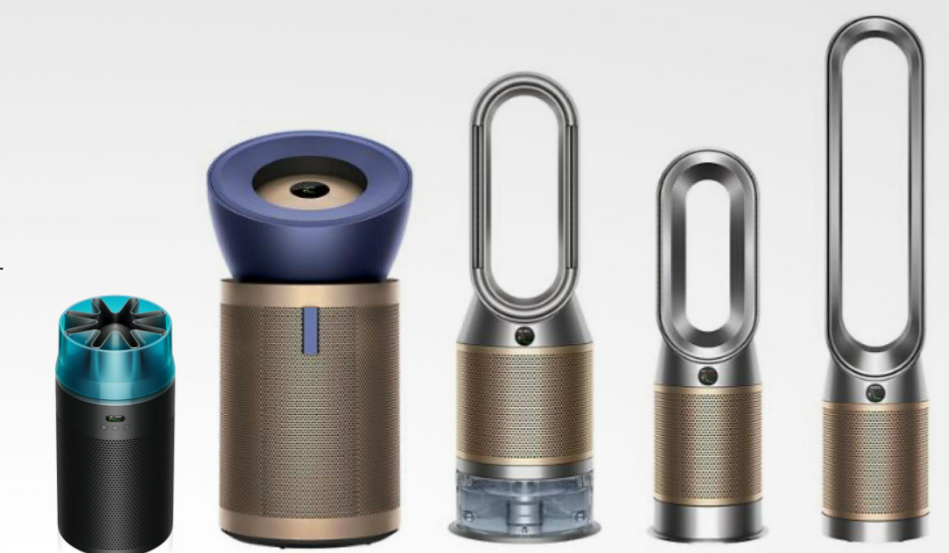
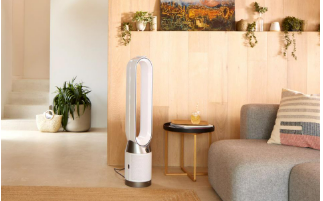
For example, Dyson’s air purifiers and purifying fans are engineered to clean entire rooms while using significantly less power. Advances in airflow dynamics, sensors, and filtration allow these machines to detect pollutants in real time and adjust performance automatically. This means they only use higher power when needed, reducing unnecessary energy consumption.
Similarly, Dyson’s hand dryers, particularly the Airblade range, have become well known for replacing paper towels in public and commercial spaces. These hand dryers use high-speed sheets of air to dry hands quickly, dramatically reducing the waste associated with single-use paper towels. According to Dyson’s own sustainability data, these systems can generate substantially lower carbon emissions per use compared to paper towel systems and traditional warm-air dryers. This makes them a strong example of how technology can reduce both waste and energy usage simultaneously. (Dyson)
Long-Lasting Design and Waste Reduction
Another critical pillar of Dyson’s sustainability approach is durability. Designing products to last longer reduces the need for frequent replacement, which in turn reduces electronic waste and the environmental costs of manufacturing new devices.
Dyson emphasizes long product life through rigorous testing and high-quality materials. Many Dyson products are engineered to operate reliably for years, even in demanding conditions. Long-lasting filters, washable components, and robust internal structures all contribute to extending product lifespan.
In addition, Dyson designs some of its filtration systems to be long-lasting rather than disposable. This reduces the volume of waste generated over time and lowers the environmental burden associated with producing and disposing of single-use components.
While repairability and modularity are ongoing conversations in the broader sustainability community, Dyson’s focus on durability still plays an important role in reducing overall waste by encouraging longer product ownership cycles.
Advanced Filtration and Health-Focused Sustainability
Sustainability is not only about energy and materials. Indoor air quality has become an important environmental and health issue, especially in urban areas with high pollution levels. Dyson has invested heavily in air purification and filtration technologies that target harmful particles and gases inside the home.
Dyson’s HEPA filtration systems are designed to capture extremely small particles, including allergens, fine dust, and certain pollutants. In addition, Dyson has developed technologies that can break down harmful gases such as formaldehyde, converting them into less harmful substances. These innovations contribute to healthier indoor environments while reducing the need for chemical air fresheners or disposable air-cleaning products.
By integrating smart sensors and connected technology, Dyson appliances can also provide real-time air quality data. This allows users to better understand their indoor environment and make informed decisions about ventilation and purification, indirectly supporting more sustainable living habits.
Renewable Energy and Sustainable Operations
Beyond its consumer products, Dyson has also invested in sustainability across its operations. The company has implemented renewable energy projects, including large-scale solar installations at its facilities. For example, Dyson has converted large parking areas into solar farms to generate clean electricity for its development centers and offices.
In addition, Dyson operates extensive agricultural operations under Dyson Farming, which focus on circular systems that generate renewable energy through anaerobic digestion. These systems produce biogas for electricity while also improving soil health and reducing reliance on chemical fertilizers. While this farming activity is not directly related to home appliances, it reflects Dyson’s broader commitment to sustainable practices and circular resource use. (Dyson India)
These operational investments help reduce the company’s overall carbon footprint and demonstrate how large technology firms can integrate sustainability across multiple parts of their business.
Battery Technology and the Future of Sustainable Appliances
As cordless appliances become more popular, battery technology plays a growing role in sustainability. Batteries are often one of the most environmentally impactful components of modern devices due to raw material extraction, manufacturing, and end-of-life disposal.
Dyson has invested in research into safer, higher-density batteries that can store more energy in smaller, lighter packages. Improving battery efficiency means longer run times, fewer charging cycles, and potentially longer overall battery lifespan. This reduces the need for early battery replacement and lowers the environmental cost per use.
Dyson is also exploring recycling and second-life options for battery cells. While this area is still evolving, it represents an important step toward addressing one of the biggest sustainability challenges in cordless home appliances.
Smart Technology and Reduced Resource Use
Software and smart controls are another area where Dyson is contributing to sustainability. By integrating sensors, AI, and onboard software, Dyson appliances can optimize their own performance. For example, vacuums can automatically adjust suction based on floor type, and air purifiers can change speed based on detected pollution levels.
This intelligent operation reduces unnecessary energy use and ensures that appliances only consume the resources they truly need. Over millions of households, these small efficiency gains can translate into significant energy and carbon savings.
Smart technology also helps users become more aware of how their appliances perform, encouraging more responsible usage and maintenance habits.
Influence on the Home Appliance Industry
Dyson’s emphasis on engineering-led sustainability has influenced the wider home appliance market. Competitors have increasingly focused on energy-efficient motors, bagless vacuum systems, high-efficiency filtration, and smart appliance features. By setting higher expectations for performance and efficiency, Dyson has helped push the entire industry toward greener design standards.
In some cases, Dyson has even advocated for regulatory changes, such as promoting limits on excessive motor wattage in vacuum cleaners. These efforts aim to shift the industry away from energy-hungry designs and toward smarter, more efficient engineering solutions.
Challenges and Ongoing Opportunities
Despite its achievements, Dyson, like all large manufacturers, faces ongoing challenges in sustainability. Issues such as product repairability, battery replacement costs, and global recycling infrastructure remain important topics. As consumer awareness grows, expectations around circular design, easier repairs, and stronger take-back programs are likely to increase.
However, Dyson’s continued investment in research and development, renewable energy, and efficient core technologies positions it well to adapt to these evolving expectations.
Conclusion
Dyson’s impact on sustainable technology in home appliances is rooted in its engineering-first approach. By focusing on energy-efficient motors, long-lasting product design, advanced filtration, smart technology, and renewable energy in operations, Dyson has made meaningful contributions to reducing the environmental footprint of everyday household devices.
While no single company can solve the sustainability challenge alone, Dyson’s innovations have helped demonstrate that high performance and environmental responsibility do not have to be mutually exclusive. As the demand for greener homes continues to grow, Dyson’s approach offers a compelling example of how technology, design, and sustainability can work together to shape the future of home appliances.