




Timberland is a globally recognized footwear, apparel, and lifestyle brand with a heritage deeply connected to craftsmanship, outdoor performance, innovation, and timeless style. Best known for its iconic yellow boot, Timberland has evolved from creating rugged footwear for demanding outdoor environments into a worldwide brand offering products for work, outdoor adventures, and everyday life.
A Legacy of Craftsmanship and Innovation
The Timberland story began with a simple goal: creating footwear capable of handling the challenging weather and demanding conditions of New England. Founder Nathan Swartz acquired control of the Abington Shoe Company in 1955, and the company continued developing innovative footwear technologies. In 1973, the Original Timberland® waterproof boot was introduced, establishing the design that would eventually become one of the world’s most recognizable boots.
The Original Timberland Boot was created using innovative injection-molding technology that helped produce waterproof leather footwear. Its rugged construction, distinctive wheat-colored design, durable lug outsole, and recognizable tree logo helped it stand out from traditional work boots. The boot was initially designed for demanding outdoor work but eventually became an important part of casual fashion and global boot culture.
More Than Just the Famous Yellow Boot
Although Timberland is strongly associated with its Original 6-Inch Boot, the brand has developed a much broader collection of footwear, clothing, and accessories. Today, Timberland organizes its products around Work, Life, and Outdoor, reflecting the different ways people use its products—from job sites and hiking trails to city streets and everyday activities.
Its footwear collections include boots, casual shoes, hiking-inspired footwear, boat shoes, sneakers, sandals, and other styles. Iconic designs such as the Original Timberland Boot, 3-Eye Lug Handsewn, and Euro Hiker demonstrate how functional outdoor-inspired designs can develop into enduring lifestyle products.
Timberland also offers apparel and accessories that complement its footwear collections. Customers can discover jackets, shirts, sweatshirts, pants, bags, hats, and other products designed around the brand’s rugged outdoor heritage and contemporary lifestyle aesthetic.
From Workwear to Global Fashion

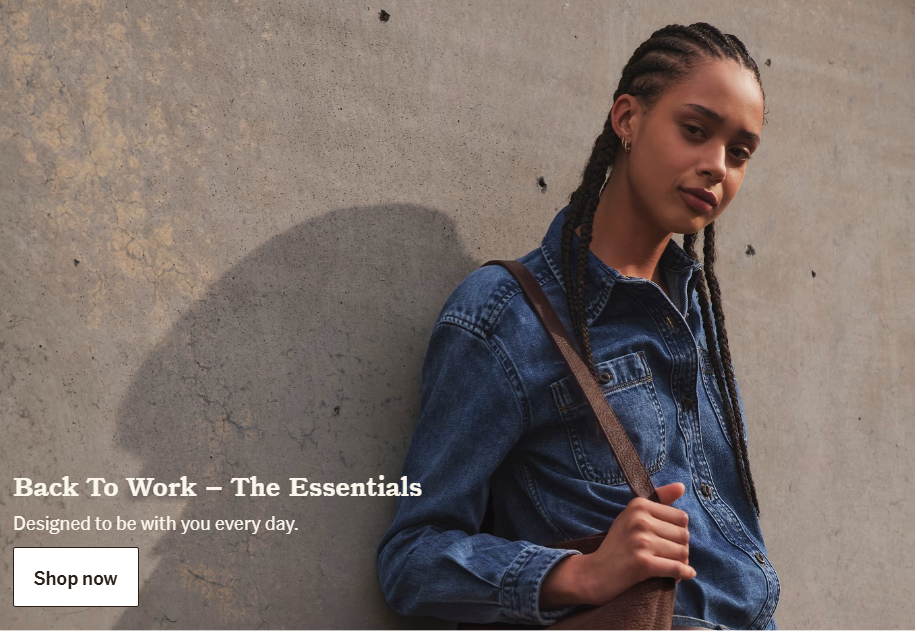
One of the most interesting aspects of Timberland’s history is the transformation of its products from functional workwear into internationally recognized fashion pieces. The Original Timberland Boot was developed to protect workers from harsh weather, but its distinctive appearance eventually attracted outdoor enthusiasts, musicians, artists, fashion communities, and consumers looking for durable everyday footwear.
Over time, the boot became much more than work equipment. It became a symbol of individuality and a recognizable part of streetwear and global fashion culture. Timberland’s heritage continues to influence its designs while allowing the brand to connect with modern consumers.
Designed for the Outdoors
The outdoors remains central to Timberland’s identity. The company describes its roots as being defined by the demanding New England environment, where unpredictable weather and rugged surroundings created a need for dependable footwear. This history continues to influence Timberland’s approach to product design and innovation.
Whether exploring a hiking trail, working outdoors, walking through the city, or simply looking for durable everyday footwear, Timberland products are designed with functionality and durability in mind. This combination of outdoor performance and recognizable style is one of the key reasons the brand has maintained its appeal across generations.
A Focus on Responsible Products and the Environment
Timberland’s vision extends beyond creating footwear and apparel. The company says it aims to make products better while reducing environmental impact and contributing to healthier communities. Its approach includes consideration of materials, product durability, responsible manufacturing, and initiatives intended to protect and restore the outdoors.
The brand has introduced products and materials incorporating recycled, organic, and renewable inputs and has continued exploring ways to make its products more responsibly. Timberland’s environmental philosophy is connected to its broader belief that protecting nature and creating quality products can work together.
A Brand for Work, Life, and Adventure

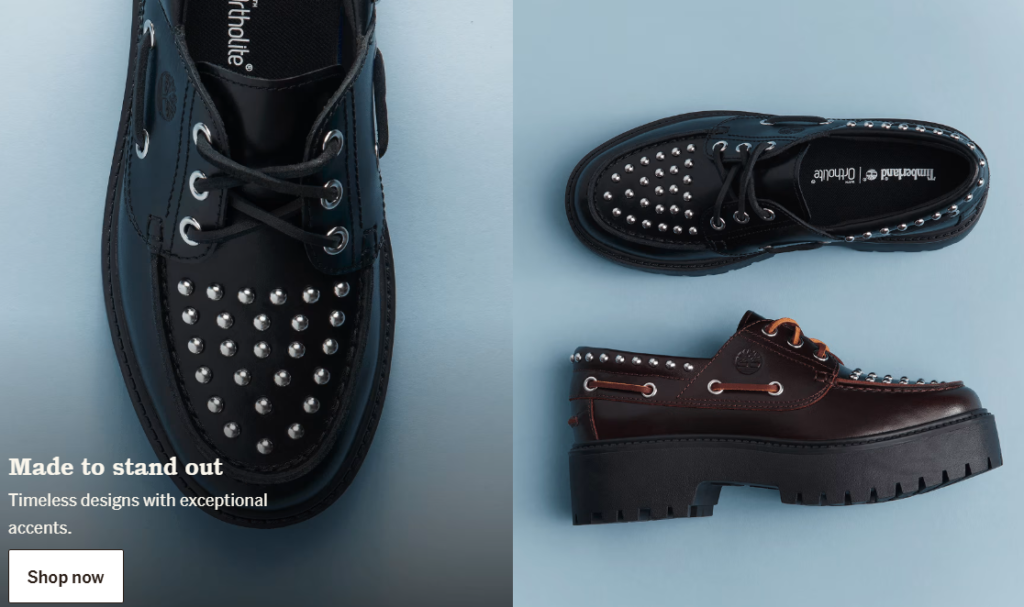
Today, Timberland represents a combination of heritage, durability, outdoor inspiration, craftsmanship, and contemporary fashion. Its products can be found across a wide range of lifestyles, from professionals who need dependable work footwear to outdoor enthusiasts and consumers who appreciate classic streetwear.
The brand’s famous tree logo and wheat-colored boots remain instantly recognizable, while newer collections continue to expand Timberland’s presence in footwear, apparel, and accessories.
Conclusion
Timberland’s journey from a New England footwear company to a globally recognized outdoor and lifestyle brand is built around a simple philosophy: make products that solve real problems, withstand demanding conditions, and help people move confidently through the world.
From the Original Timberland Boot introduced in 1973 to today’s diverse collections, the brand continues to combine its outdoor roots with innovation, craftsmanship, fashion, and a commitment to creating a more responsible future. Whether you’re searching for rugged boots, outdoor footwear, casual shoes, work gear, clothing, or accessories, Timberland remains a distinctive choice for people who value durability, functionality, and timeless style.


