




Launch Your Digital Business With Jimdo And Creative Website Tools For Entrepreneurs
Launching a digital business has become an attractive opportunity for entrepreneurs, freelancers, creators, and small business owners. The internet offers countless ways to showcase products, promote services, build professional relationships, and connect with customers beyond geographical boundaries. A well-designed website can serve as the foundation of these activities by providing a central place where visitors discover a business, understand its offerings, and learn how to get in touch.
However, building an online presence involves several important decisions. Business owners need to consider website design, content organization, branding, mobile accessibility, search engine visibility, and customer communication. For individuals without technical experience, these tasks may initially seem complicated.
Jimdo is a website-building platform that helps individuals and businesses create websites using accessible design tools. Depending on the selected product and plan, users can explore website layouts, customize content, establish a professional online presence, and access features designed to support business activities. Its website-building solutions are particularly relevant to freelancers, independent professionals, and small businesses seeking practical digital tools.
A successful digital business begins with a clear purpose. Entrepreneurs should understand their target audience, define their products or services, and establish the information visitors need before developing their websites. A thoughtfully planned website can communicate the value of a business while providing a convenient experience for potential customers.
By combining creative design with organized content and effective digital marketing, entrepreneurs can develop an online presence that supports their business goals and creates opportunities for long-term growth.
Business Planning With Jimdo For A Strong Digital Foundation


Every successful digital business benefits from a clear plan. Before creating a website, entrepreneurs should identify the purpose of their online presence, understand their customers, and determine the products or services they intend to promote.
Jimdo provides website-building options that can help users turn their initial ideas into an organized online presence. A freelancer may need a professional portfolio, while a local service provider may require service descriptions, contact information, and customer inquiry options. An independent retailer may need an online storefront with product information and purchasing functionality.
Defining the primary audience is an important part of website planning. Business owners should consider the needs, interests, and expectations of the people they want to reach. This understanding can guide decisions about page structure, language, photographs, and website functionality.
A clear website structure helps visitors find essential information without unnecessary effort. Common sections include a homepage, an about page, a services page, a portfolio, frequently asked questions, and contact information. Online stores may also require product categories, shipping details, payment information, and relevant customer policies.
The homepage should communicate the business’s main purpose and introduce its primary offering. Supporting pages can provide additional information for visitors who want to learn more about services, products, professional experience, or company values.
Entrepreneurs should also consider the main action they want visitors to take. Depending on the business, this might involve requesting a quotation, booking an appointment, purchasing a product, or contacting the company for more information.
Planning these elements before beginning the design process creates a clearer direction for the entire project. With a defined audience, organized content, and realistic objectives, business owners can use Jimdo’s tools to develop a website that supports their digital strategy.
Creative Website Design With Jimdo For Memorable Branding
A website’s design plays an important role in the way visitors perceive a business. Colors, typography, images, page layouts, and visual consistency all contribute to the identity a brand communicates online.
Jimdo offers design tools that help users create and customize websites without requiring extensive coding knowledge. Depending on the selected editor and plan, users can work with templates, adjust page content, and select visual elements that suit their business or personal project.
Branding should remain consistent throughout the website. The logo, colors, fonts, photography, and writing style should complement one another and present a recognizable identity. For example, a creative studio might use distinctive imagery and expressive typography, while a financial consultant might prefer a clean layout with straightforward language and restrained colors.
Visual consistency also helps visitors recognize the relationship between different pages. Repeating appropriate design elements across the homepage, service pages, and contact section creates a more unified experience.
Images can make a website more engaging, especially when they communicate something meaningful about the business. A photographer can display original work, a designer can present completed projects, and a restaurant can feature photographs of its menu and environment. Images should be relevant, high quality, and optimized for suitable loading performance.
Readable typography is equally important. Text should be easy to scan, paragraphs should be well organized, and headings should make the page structure understandable. Large blocks of unbroken text can make it harder for visitors to locate specific information.
Creative design does not necessarily require complicated layouts or excessive visual effects. Often, a clear structure, carefully selected imagery, and consistent branding are more effective than a crowded interface.
By using Jimdo’s available design features thoughtfully, entrepreneurs can build a professional visual identity that reflects their business and helps visitors understand what makes their offerings distinctive.
Professional Services With Jimdo For Attracting Potential Customers
A business website can serve as a digital introduction for potential customers who want to understand a company’s services before making contact. Clear service descriptions, professional information, and accessible contact details help visitors evaluate whether an offering meets their needs.
Jimdo can support business websites that present services and communicate important information about a company. Freelancers, consultants, tutors, photographers, designers, and local service providers can organize their offerings into dedicated pages.
Each service page should explain what the business provides, who the service is intended for, and what customers can expect from the process. Specific and understandable descriptions help visitors make informed decisions.
For example, a web designer might outline website design, maintenance, and user experience services. A photographer could organize a portfolio by weddings, portraits, commercial projects, or events. A consultant might describe different areas of expertise and explain the process for arranging an initial discussion.
Professional credibility can also be supported through relevant qualifications, experience, examples of previous work, and genuine customer testimonials where permission has been obtained. Such information can help prospective customers understand the business’s background and approach.
Contact details should be easy to locate. An effective contact page may include a business email address, telephone number where appropriate, service area, and contact form if supported. Business owners should make sure that these details remain accurate as circumstances change.
Calls to action can guide visitors toward the next step. Phrases such as requesting a quotation, viewing a portfolio, or booking a consultation can make the intended action clear without overwhelming the page.
Website owners should avoid making promises they cannot substantiate. Accurate descriptions, transparent pricing information where appropriate, and honest communication help establish realistic customer expectations.
By presenting services clearly and organizing relevant information, businesses can use Jimdo to create a professional online destination that supports customer inquiries and strengthens their digital presence.
Online Store Creation With Jimdo For Digital Sales Growth

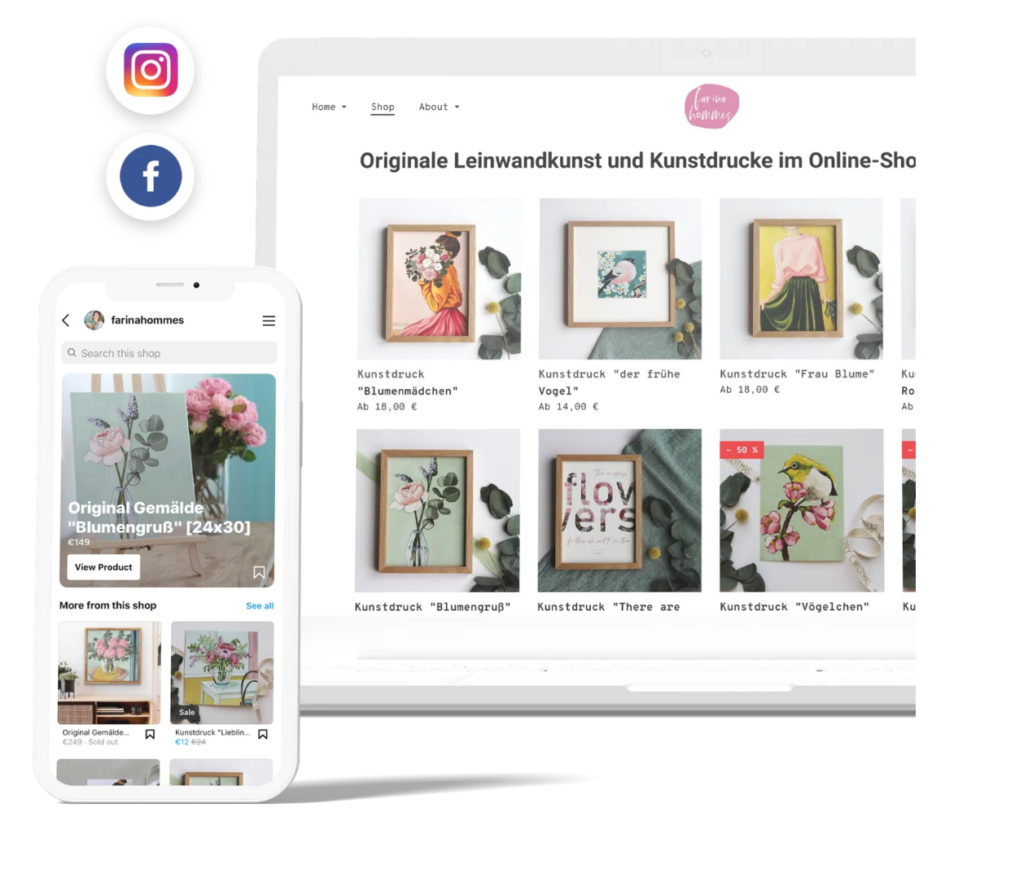
E-commerce gives businesses opportunities to sell products beyond the limitations of a traditional physical location. An online store allows customers to explore product listings, compare options, review essential details, and place orders through a digital platform.
Jimdo offers online store functionality through supported products and plans, giving eligible users tools to build a digital storefront. The specific features available can vary, so business owners should confirm that their chosen plan meets their requirements before launching a store.
Product presentation is one of the most important elements of online retail. Each listing should include an understandable product name, an accurate description, suitable photographs, and relevant information such as size, material, dimensions, or available variations.
Organized categories can make browsing easier. A fashion retailer might arrange products by clothing type or collection, while a home accessories business may group items according to room or intended use. Clear categorization helps customers find products more quickly.
Pricing and purchasing information should also be easy to understand. Customers need to know the total price, available payment methods, shipping arrangements, estimated delivery information, and applicable return conditions before completing an order.
A smooth checkout process can reduce confusion during the purchasing journey. Business owners should test the store’s main functions before launch, including product links, shopping cart behavior, payment settings, and order notifications where supported.
Product availability should remain accurate. Outdated listings, incorrect prices, and unavailable items can create frustration and weaken customer confidence. Regular reviews help keep the online store organized as inventory changes.
Promotional content can also support e-commerce activities. Seasonal collections, product guides, and relevant articles can provide additional information while helping visitors discover items that match their interests.
By combining clear product information with consistent branding and practical store organization, entrepreneurs can use Jimdo’s available e-commerce tools to create a digital storefront aligned with their business objectives.
Mobile-Friendly Websites With Jimdo For Modern Customers
Mobile devices have become an important way for customers to discover businesses, compare products, and access online services. A website should therefore provide a usable experience across smartphones, tablets, laptops, and desktop computers.
Jimdo’s website-building solutions support mobile-friendly website creation, helping users present their content across different screen sizes. Entrepreneurs should still review their individual pages to confirm that the design, content, and functionality work as expected on the devices their customers use.
Navigation is particularly important on smaller screens. Visitors should be able to identify the main menu, open relevant pages, and locate essential information without excessive scrolling or zooming.
Text should also remain readable. Paragraphs, headings, and buttons need appropriate spacing so users can interact with the website comfortably. Overcrowded pages can make it difficult for visitors to understand information or complete an intended action.
Images require careful consideration as well. Large photographs and decorative graphics can improve visual presentation, but unnecessarily large files may slow down page loading. Selecting appropriate image dimensions and compressing files can help improve performance.
Contact options should be accessible to mobile visitors. A potential customer looking for a telephone number, business address, or inquiry form should be able to find the relevant information quickly.
Mobile usability is also important for online stores. Product photographs should display clearly, descriptions should remain readable, and the checkout process should be manageable on smaller screens.
Entrepreneurs should test important website functions after making design changes. Reviewing the homepage, service pages, product listings, and contact section on multiple devices can help identify issues before customers encounter them.
A mobile-friendly experience supports accessibility and usability for a broad audience. By reviewing their website regularly and making practical adjustments, business owners can use Jimdo to maintain a consistent digital presence across different devices.
Search Engine Visibility With Jimdo For Business Discovery
Search engine optimization, commonly known as SEO, helps websites become easier for search engines to understand and potentially display for relevant searches. For digital businesses, a well-organized website and useful content can support long-term online visibility.
Jimdo provides SEO-related features for supported website-building products. Depending on the editor and plan, these may include settings for page titles, meta descriptions, website addresses, and other elements that contribute to website optimization.
Page titles should communicate the main subject of each page. A service page, for example, should have a title that accurately describes the service rather than using a generic phrase that provides little information.
Meta descriptions can summarize a page for potential visitors. Although they do not directly determine search rankings in the same way as many other SEO factors, clear descriptions can help communicate the page’s relevance when displayed in search results.
Content quality remains essential. Website pages should answer genuine customer questions, describe products accurately, and provide information that is useful to the intended audience. Repeating keywords excessively can make content difficult to read and should be avoided.
Headings help organize information into understandable sections. Descriptive headings, logical page structures, and meaningful internal links make it easier for visitors to navigate a website and discover related content.
Local businesses can also provide accurate location details and service areas where relevant. For instance, a local photographer might explain the types of photography offered and the locations served, using natural language rather than repeating the same phrase throughout the page.
Images should be relevant and appropriately sized. Descriptive alternative text can help communicate the purpose of meaningful images to people using assistive technologies and provide additional context about the content.
SEO results are not guaranteed by website-building tools alone. Search visibility depends on numerous factors, including content quality, competition, technical accessibility, relevance, and search engine systems.
By combining Jimdo’s available optimization settings with useful content and a well-organized website, entrepreneurs can establish a stronger foundation for long-term search visibility.
Business Growth And Website Development With Jimdo For Long-Term Success
A digital business changes as its products, services, and customers evolve. Websites therefore require ongoing attention to remain accurate, useful, and aligned with business priorities.
Jimdo provides editing tools that allow website owners to update content and customize supported elements. Depending on the chosen product and plan, users may also have access to domains, online store features, and additional business tools.
Regular content updates help maintain an accurate online presence. Business owners should review their contact details, service descriptions, prices, opening hours, and product listings whenever information changes.
A website can also grow by adding relevant content. A designer might expand a portfolio, a consultant could publish informative articles, and a retailer may introduce new product categories. These updates provide visitors with more opportunities to understand the business and explore its offerings.
Website performance should be reviewed periodically. Where suitable analytics or visitor statistics are available, business owners can examine which pages attract attention and identify areas that may require clearer information or improved navigation.
Connections with other digital channels can also support growth. Social media profiles, contact options, newsletters, and supported booking features can help visitors move from discovering a business to interacting with it.
Security and maintenance deserve attention as well. Website owners should protect their account credentials, review privacy settings, maintain accurate legal information where required, and understand the features provided by their selected plan.
Entrepreneurs should evaluate their needs before adding new tools or upgrading a subscription. The most suitable website setup depends on the business model, audience, required functionality, and available resources.
Growth does not always demand a complete website redesign. Consistent improvements to content, usability, and customer communication can make a digital presence more effective over time.
By combining creative design, accurate information, mobile accessibility, and ongoing optimization, business owners can use Jimdo’s website-building tools as part of a broader strategy for establishing and developing their digital business.


