

Evolving Gaming Habits In A Digital First World
The gaming industry has undergone a dramatic transformation over the past decade, reshaping not only how games are developed but also how they are purchased and consumed. Traditional game stores, once the cornerstone of gaming culture, are gradually giving way to digital marketplaces that prioritize speed, convenience, and accessibility. Among these platforms, Eneba has emerged as a notable player, offering a modern alternative that resonates with the habits of today’s gamers.
In the past, buying a game meant visiting a physical store, browsing shelves, and sometimes waiting in long lines for new releases. This experience carried a certain charm, especially for those who enjoyed the tactile aspect of holding a game box or discussing options with store staff. However, as internet infrastructure improved and digital ecosystems matured, the demand for quicker and more flexible purchasing options began to rise. Gamers today value efficiency, and the ability to access content instantly has become a defining factor in their purchasing decisions.
Eneba represents a shift in mindset. It is not just a platform for buying games; it is a reflection of how modern consumers think. Instead of being limited by geography or store hours, users can explore a vast library of titles from anywhere in the world. This accessibility has fundamentally changed the way people engage with gaming. Whether it is a late-night impulse purchase or a carefully planned acquisition during a sale, the process has become seamless and intuitive.
Another important aspect of this evolution is the growing diversity of the gaming audience. Gaming is no longer confined to a niche group; it spans across age groups, professions, and cultures. As the audience expands, so do their expectations. Traditional stores often struggle to keep up with this diversity, while digital platforms like Eneba thrive by offering a broader selection and catering to a global audience. This inclusivity is one of the reasons why more gamers are making the switch.
The shift is not just about convenience; it is about empowerment. Digital platforms give users more control over their choices, allowing them to compare prices, read reviews, and make informed decisions without external pressure. This level of autonomy is something that traditional stores rarely provide. As a result, the modern gamer feels more confident and satisfied with their purchases.
Ultimately, the rise of platforms like Eneba signals a broader change in consumer behavior. It highlights the importance of adaptability in an ever-evolving industry and underscores the need for businesses to align with the preferences of their audience. As gaming continues to grow, the gap between traditional and digital purchasing methods is likely to widen, making the transition not just inevitable but essential.
Benefits Of Buying Games Through Eneba

One of the most compelling reasons gamers are turning to Eneba is the range of benefits it offers compared to traditional game stores. At the forefront is affordability. Physical stores often have fixed pricing structures influenced by overhead costs such as rent, staffing, and logistics. In contrast, digital platforms operate with greater flexibility, allowing them to offer competitive prices and frequent discounts that appeal to budget-conscious gamers.
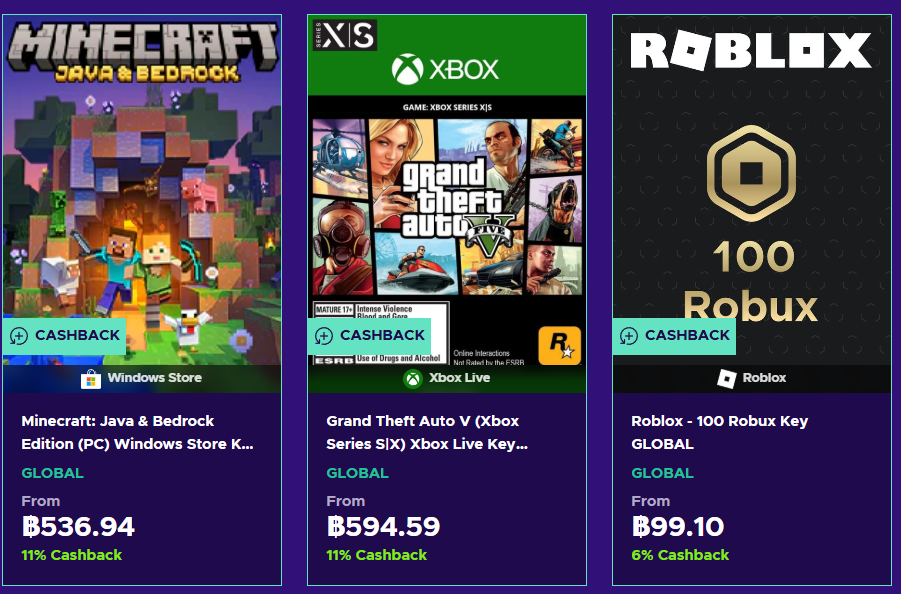
The availability of deals on Eneba is another major advantage. Gamers are constantly looking for ways to expand their libraries without overspending, and Eneba caters to this need by providing access to discounted game keys, seasonal promotions, and limited-time offers. This dynamic pricing model ensures that users can find value regardless of their budget, making gaming more accessible to a wider audience.
Convenience plays an equally significant role. With Eneba, there is no need to travel to a store, wait in line, or worry about stock availability. Games can be purchased and downloaded instantly, eliminating the delays associated with physical copies. This immediacy is particularly appealing in a fast-paced world where time is a valuable resource. Gamers can jump into their favorite titles within minutes, enhancing the overall experience.
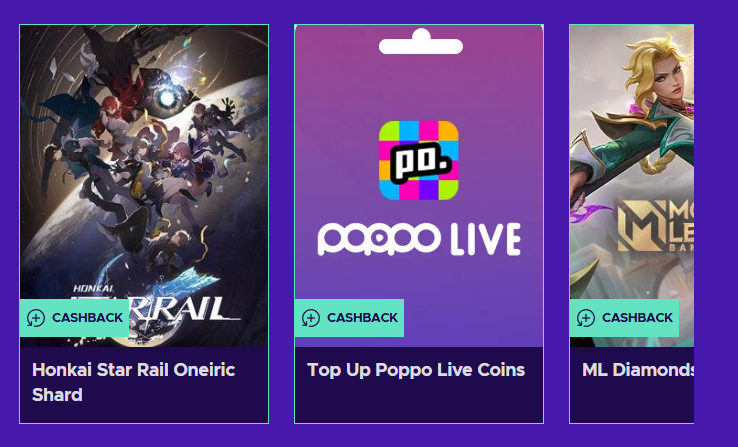
Another benefit is the sheer variety of content available. Traditional stores are often constrained by shelf space, limiting the number of titles they can offer. Eneba, on the other hand, provides access to a vast catalog that includes not only mainstream releases but also indie games, expansions, and digital content. This diversity allows gamers to explore new genres and discover hidden gems that might not be available in physical stores.
Security and reliability have also improved significantly in digital marketplaces. Eneba employs measures to ensure safe transactions, giving users peace of mind when making purchases. While concerns about digital fraud once deterred some buyers, advancements in technology and user protection have made platforms like Eneba increasingly trustworthy.
Furthermore, the platform supports a global marketplace, enabling users to access games that may not be available in their region. This global reach breaks down barriers and fosters a more inclusive gaming community. Gamers are no longer restricted by local availability; they can explore titles from around the world with ease.
In essence, Eneba offers a combination of affordability, convenience, variety, and security that traditional game stores struggle to match. These benefits align perfectly with the expectations of modern gamers, making the platform an attractive choice for those looking to enhance their gaming experience.
Challenges Faced By Traditional Game Stores Today
Traditional game stores are facing an uphill battle in a rapidly changing landscape. While they once dominated the market, several factors have contributed to their decline, making it increasingly difficult for them to compete with digital platforms like Eneba. One of the primary challenges is the shift in consumer preferences. As more gamers embrace digital downloads, the demand for physical copies has decreased significantly.
Operational costs are another major hurdle. Maintaining a physical store involves expenses such as rent, utilities, and employee salaries. These costs often translate into higher prices for consumers, making it difficult for traditional stores to compete with the lower prices offered by digital platforms. In an era where affordability is a key consideration, this disadvantage becomes even more pronounced.
Inventory management also poses a challenge. Physical stores must carefully balance supply and demand, which can lead to issues such as overstocking or running out of popular titles. Digital platforms do not face these limitations, as they can offer an unlimited number of downloads without the need for physical storage. This flexibility gives them a significant edge in terms of availability and efficiency.
Another issue is the limited scope of traditional stores. While they may offer a curated selection of games, they often lack the variety found in digital marketplaces. This limitation can be frustrating for gamers who are looking for specific titles or niche genres. As a result, many users turn to platforms like Eneba, where they can find a wider range of options.
The rise of digital ecosystems has also changed the way games are distributed. Developers and publishers increasingly prefer digital releases, as they reduce production and distribution costs. This trend further marginalizes traditional stores, which rely on physical copies to sustain their business. As the industry continues to evolve, the relevance of these stores becomes increasingly uncertain.
Customer experience is another area where traditional stores struggle to keep up. While they offer a personal touch, they cannot match the convenience and efficiency of online platforms. The ability to browse, compare, and purchase games from the comfort of one’s home is a significant advantage that digital platforms have over physical stores.
Despite these challenges, traditional game stores are not entirely obsolete. They still hold value for collectors and those who appreciate the tangible aspects of gaming. However, their role in the industry is changing, and they must adapt to remain relevant in a digital-first world.
Reasons Smart Gamers Prefer Digital Marketplaces
Smart gamers are always looking for ways to maximize their experience while minimizing costs and effort. Digital marketplaces like Eneba align perfectly with this mindset, offering features and advantages that cater to the needs of modern players. One of the key reasons for this preference is the ability to make informed decisions. Online platforms provide access to reviews, ratings, and detailed descriptions, enabling users to evaluate their options thoroughly before making a purchase.
Price comparison is another significant factor. Unlike traditional stores, where prices are fixed, digital marketplaces allow users to compare deals across different sellers. This transparency empowers gamers to find the best value for their money, ensuring that they get the most out of their purchases. The competitive nature of these platforms drives prices down, benefiting consumers in the long run.
Flexibility is also a major advantage. Digital purchases can be made at any time, without being constrained by store hours. This convenience is particularly important for gamers with busy schedules, who may not have the time to visit a physical store. Eneba’s user-friendly interface makes the process quick and straightforward, enhancing the overall experience.
Another reason for the shift is the growing popularity of digital libraries. Gamers are increasingly building collections that are stored online, allowing them to access their games from multiple devices. This portability is a significant benefit, as it eliminates the need to carry physical copies and ensures that games are always within reach.
The environmental impact of digital purchases is also worth considering. By reducing the need for physical production and transportation, platforms like Eneba contribute to a more sustainable gaming industry. This aspect resonates with environmentally conscious consumers, who prefer options that align with their values.
Community engagement is another factor that sets digital marketplaces apart. Online platforms often feature forums, user reviews, and social interactions that enhance the gaming experience. These communities provide valuable insights and foster a sense of connection among players, making the platform more than just a marketplace.
In summary, smart gamers prefer digital marketplaces because they offer a combination of convenience, affordability, transparency, and community engagement. These features align with the expectations of modern consumers, making platforms like Eneba the preferred choice for many.
Future Of Game Purchasing In A Tech Driven Era

The future of game purchasing is undeniably digital, driven by advancements in technology and changing consumer behavior. As platforms like Eneba continue to evolve, they are likely to play an even more significant role in shaping the industry. One of the key trends to watch is the integration of emerging technologies such as cloud gaming and artificial intelligence. These innovations have the potential to further enhance the user experience, making game purchasing and consumption more seamless than ever.
Cloud gaming, in particular, is poised to revolutionize the industry. By allowing users to stream games directly without the need for downloads or high-end hardware, it eliminates many of the barriers associated with traditional gaming. Digital marketplaces will play a crucial role in this ecosystem, serving as the gateway through which users access content. Eneba’s adaptability positions it well to thrive in this environment.
Another important trend is the increasing focus on personalization. As data analytics become more sophisticated, platforms will be able to offer tailored recommendations based on user preferences and behavior. This level of customization will enhance the shopping experience, making it easier for gamers to discover titles that match their interests.
The role of traditional game stores will continue to evolve. While they may not disappear entirely, their function is likely to shift towards niche markets and experiential offerings. For example, they may focus on collectibles, events, and community engagement rather than purely selling games. This adaptation could help them carve out a unique space in an increasingly digital landscape.
The global nature of digital platforms will also become more pronounced. As internet access expands and technology becomes more affordable, more people around the world will gain access to gaming. Platforms like Eneba will be at the forefront of this expansion, connecting players across different regions and cultures.
Security and trust will remain critical factors in the future of digital marketplaces. As transactions increase, so does the need for robust systems to protect users. Continued investment in security measures will be essential to maintaining user confidence and ensuring the long-term success of these platforms.
Ultimately, the future of game purchasing is about choice and convenience. Gamers will have more options than ever before, allowing them to tailor their experience to their preferences. Eneba exemplifies this shift, offering a model that aligns with the demands of a tech-driven era. As the industry continues to evolve, the transition from traditional stores to digital platforms is not just a trend but a fundamental transformation that is here to stay.