

Introduction to Dick Smith
Dick Smith is one of Australia’s most recognized retail brands, originally founded in 1968 by entrepreneur Dick Smith. The company began as a small electronics business in Sydney and quickly grew into a nationwide chain specializing in consumer electronics, gadgets, and tech accessories.
Over the decades, Dick Smith became a household name across Australia and New Zealand, known for its wide range of products and strong presence in shopping centers. However, the brand has undergone major transformations, shifting from a physical retail giant to a fully online platform.
Rise as a Leading Electronics Retail Chain
Dick Smith expanded rapidly during the 1970s and 1980s by offering electronics components, radios, computers, and hobby kits. It became especially popular among tech enthusiasts and DIY electronics hobbyists.
The company capitalized on emerging technology trends, including the rise of personal computers and consumer electronics. By the early 2010s, it operated hundreds of stores across Australia and New Zealand, making it one of the largest electronics retailers in the region.
Its success was built on strong branding, wide product availability, and a loyal customer base that trusted the company for affordable and reliable tech products.
Ownership Changes and Business Challenges

Over time, Dick Smith went through multiple ownership changes, including acquisition by Woolworths and later by private equity firm Anchorage Capital.
Despite its strong legacy, the company began facing increasing competition from global electronics retailers and online marketplaces. Changing consumer behavior, rising operational costs, and declining sales contributed to financial instability.
In 2016, the company entered administration and eventually closed all its physical stores after failing to secure a buyer. Thousands of jobs were affected as the once-dominant retail chain exited the brick-and-mortar market.
Transition to an Online-Only Business
After the closure of its stores, the Dick Smith brand was acquired by Kogan.com, which relaunched it as an online-only retailer.
The new digital platform operates without physical stores and focuses on selling a wide range of products, including electronics, home appliances, and lifestyle goods. This shift significantly reduced operational costs while allowing the brand to continue serving customers.
The online model also leverages Kogan’s existing logistics and supply chain systems, enabling faster delivery and competitive pricing. Today, Dick Smith functions as an e-commerce marketplace rather than a traditional retailer.
Product Range and Online Marketplace Model
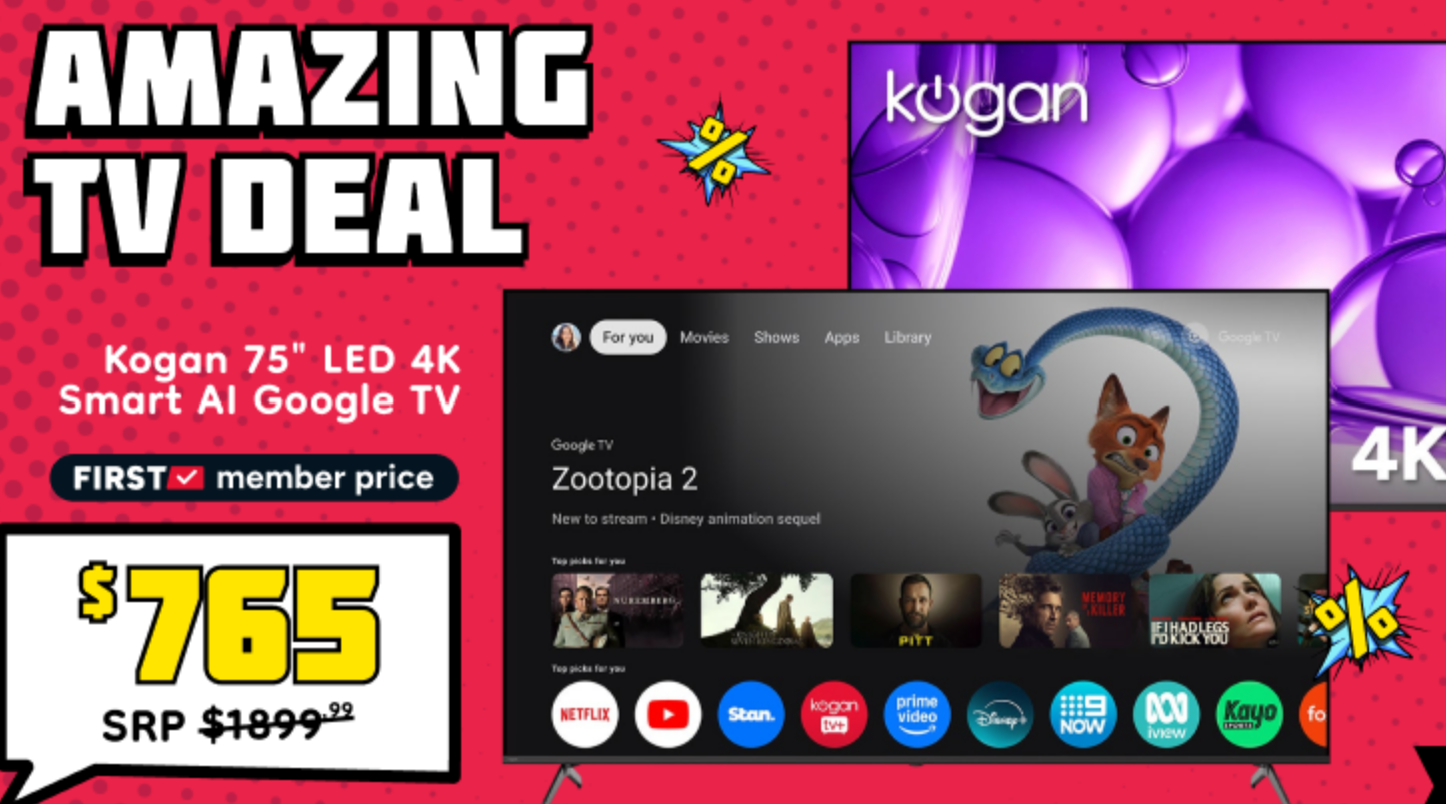
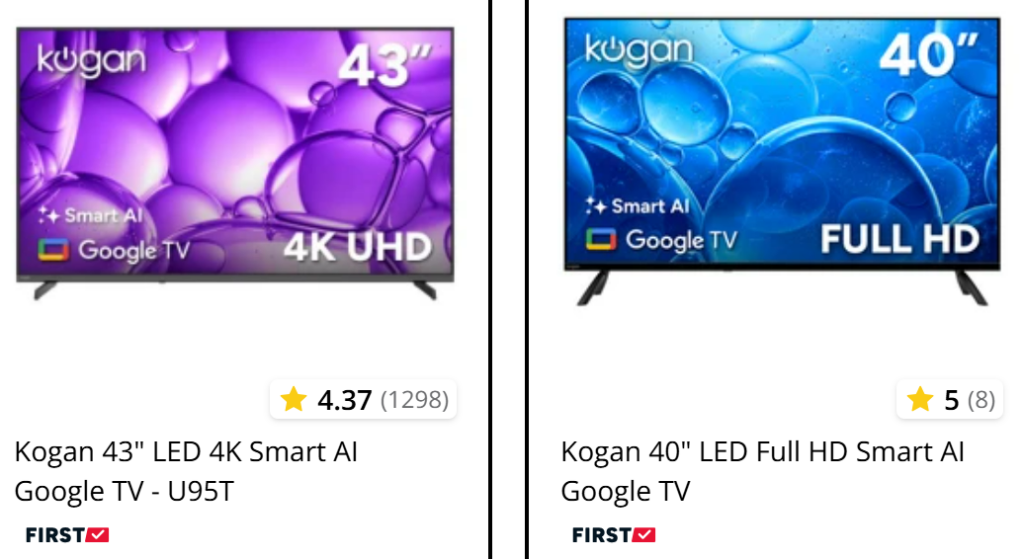
The modern version of Dick Smith offers a diverse selection of products beyond electronics. Customers can find smartphones, laptops, TVs, home appliances, and even general merchandise.
The platform often operates as a marketplace, where third-party sellers list products alongside items sold directly through the site. This model increases product variety and allows customers to compare prices and features easily.
While this approach provides more choices, it also means that product quality and delivery experiences may vary depending on the seller. Customers are encouraged to review product details and ratings before making purchases.
Advantages and Limitations of the New Model
The online transformation of Dick Smith offers several advantages. It provides convenience, competitive pricing, and access to a wide range of products without the need to visit physical stores.
However, there are also limitations. Since the platform relies on third-party sellers and online logistics, customers may experience variations in shipping times, product quality, and customer service. The absence of physical stores also means that customers cannot see or test products before purchasing.
Despite these challenges, the brand remains popular due to its strong legacy and recognizable name.
Future Outlook and Digital Retail Trends
The future of Dick Smith reflects broader trends in the retail industry, where many traditional brands are moving toward online-only models. The shift to e-commerce allows companies to reduce costs and reach a wider audience.
With continued growth in online shopping, Dick Smith is expected to expand its product range, improve its platform, and enhance customer experience. Integration with advanced technologies such as AI-driven recommendations and improved logistics systems could further strengthen its position.
By evolving from a physical retail chain into a digital marketplace, Dick Smith demonstrates how legacy brands can adapt to changing consumer behavior and remain relevant in the modern retail landscape.